Helianthus, Genus, tuberosus, Species,
- Genus & species
jerusalem artichoke
Overview
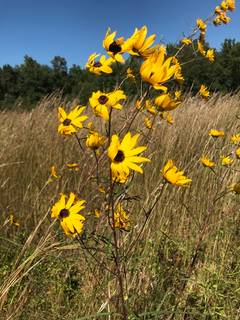
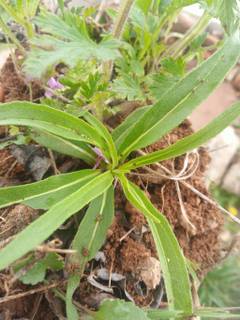
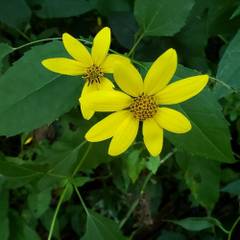
Helianthus tuberosus is a clump-forming herbaceous perennial growing 5-10 feet (1.5-3 m) tall from a network of rhizomes that produce knobby underground tubers 2-4 inches (5-10 cm) long. Stems are stout, rough-hairy, and branched near the top. Leaves are oval to lance-shaped, 4-10 inches (10-25 cm) long, coarse, with toothed margins and a rough upper surface; lower leaves are opposite and upper leaves alternate. Yellow flower heads 2-3.5 inches (5-9 cm) across, each with 10-20 ray florets around a yellow central disk, open from late summer into autumn. The plant dies back to the ground after frost and regrows from tubers and rhizomes in spring. Tubers store carbohydrate as inulin rather than ordinary starch. Growth is fast and the rhizomes spread 1-2 feet (30-60 cm) per year, forming colonies that crowd out neighboring plants. Any tuber left in the soil resprouts the following season.
Native Range
Native to central and eastern North America, from the Great Plains east to the Atlantic and north into southern Canada. It grows in moist soils along streambanks, roadsides, fence lines, and the edges of fields and woods.Suggested Uses
Grown as a root crop for its edible tubers and as a tall screen at the back of large plots, spaced 18-24 inches (45-60 cm) apart. The spreading habit suits naturalized and wildlife areas but crowds smaller plants in mixed borders.How to Identify
Appearance
Size & Dimensions
Height5' - 10'
Width/Spread3' - 5'
Bloom Information
Detailed Descriptions
Foliage Description
greenGrowing Conditions
Sun Requirements
Requires 6-12 hours of direct sunlight daily
• Full Sun: 6+ hours of direct sunlight
• Partial Shade: 3-6 hours of direct sunlight
• Full Shade: Less than 3 hours of direct sunlight
Care & Maintenance
Care Guide
Grows in full sun on most soils, growing most strongly in moist, fertile ground but tolerating poor and dry sites with reduced yield. Water during establishment and through summer dry spells for larger tubers. The rhizomes spread quickly and are difficult to remove once established, so the plant is often confined with a barrier or grown in a dedicated bed. Tubers are dug in fall and winter after the tops die down. Few pests trouble it, though sclerotinia and powdery mildew occur in damp conditions. Plants persist indefinitely from tubers left in the ground.Pruning
Cut stems to the ground after frost blackens the foliage. Cutting the tall stems back by half in early summer reduces height and lodging but delays flowering. Removing flower heads before seed set limits self-seeding, though spread is mainly by tubers.Pruning Schedule
Prune: November
fall
Container Growing
Suitable for container growing
Minimum container size: 10 gallons