Helianthus, Genus, petiolaris, Species,
- Genus & species
prairie sunflower
Central and western United States (Great Plains)
SunFull Sun
Overview
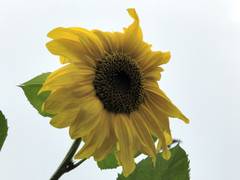
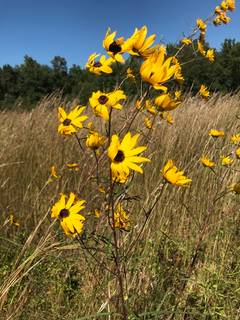
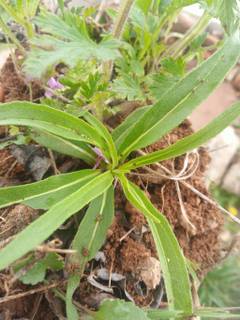
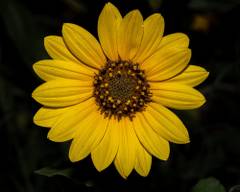
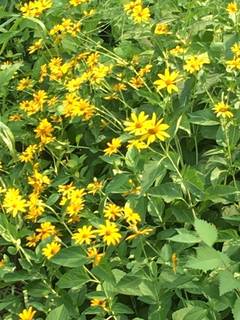
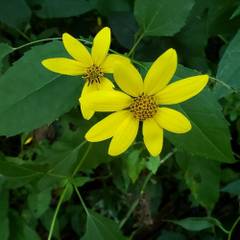
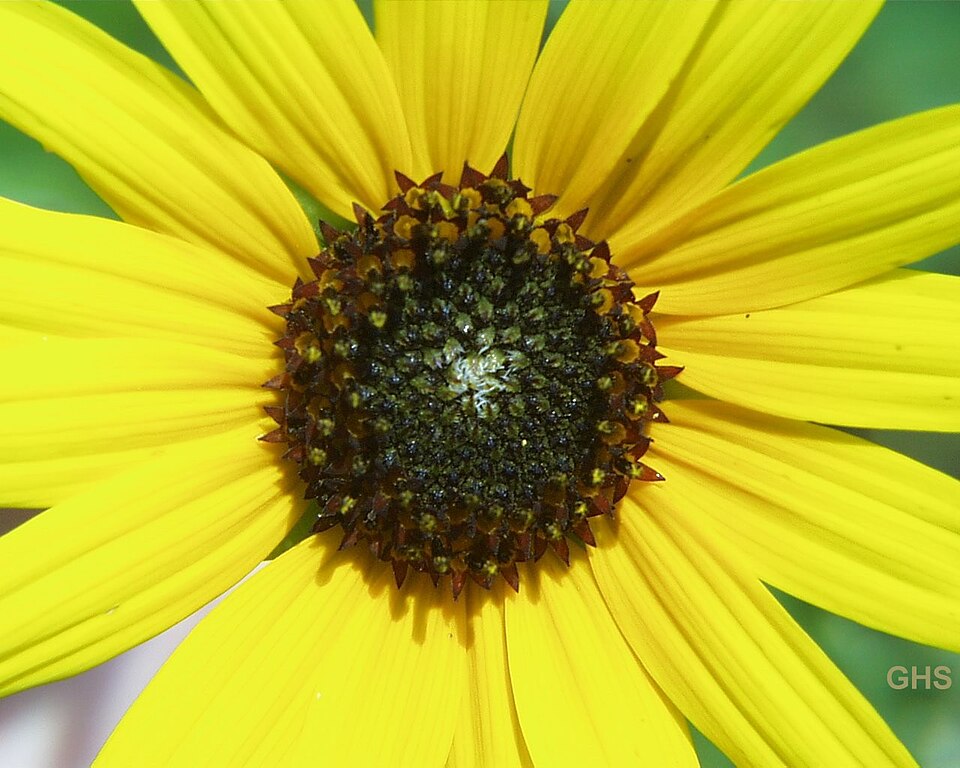
Helianthus petiolaris is an annual in the family Asteraceae, growing 1-6 feet (30-180 cm) tall on slender, branching, rough-hairy stems. The lance-shaped to triangular leaves are 1.5-4 inches (4-10 cm) long, alternate, gray-green, and rough to the touch, on long stalks. From summer into fall it bears sunflower heads 1.5-3 inches (4-8 cm) across, each with 10-30 yellow ray florets around a reddish-brown to purple central disk. The small, pale, scale-like bracts among the disk florets form a whitish patch in the center. The heads track toward the sun when young and draw bees, butterflies, and seed-eating birds. It grows on sandy soils, dunes, dry prairies, fields, and roadsides, tolerating heat and drought. The plant self-sows and can spread quickly on bare ground. One limitation is its weedy, branching habit and short annual life, which give it a loose, informal form rather than a tidy shape.
Native Range
Helianthus petiolaris is native to the central and western United States, centered on the Great Plains and reaching from the Dakotas and Texas west to California, and has spread eastward as a weed. It grows on sandy prairies, dunes, fields, and roadsides.Suggested Uses
Helianthus petiolaris is used in wildflower meadows, prairie restorations, and pollinator and bird-habitat plantings on sandy soil. Its long bloom and seed draw bees and finches. The tall, branching, weedy habit makes it better suited to naturalized areas than to formal beds.How to Identify
Appearance
Size & Dimensions
Height1' - 6'
Width/Spread1' - 3'
Bloom Information
Detailed Descriptions
Flower Description
yellow with brown diskFoliage Description
gray-greenGrowing Conditions
Sun Requirements
Requires 6-12 hours of direct sunlight daily
• Full Sun: 6+ hours of direct sunlight
• Partial Shade: 3-6 hours of direct sunlight
• Full Shade: Less than 3 hours of direct sunlight
Water & Climate
Water Needs
Drought Tolerance
Drought tolerant when established
Care & Maintenance
Care Guide
Helianthus petiolaris grows in full sun on sandy, well-drained soils and tolerates poor, dry, and disturbed ground. It germinates in spring once the soil warms and needs little water once established, thriving in heat and drought. Rich or wet soil produces tall, weak, floppy stems. As an annual it returns from self-sown seed, often forming loose stands. It carries few serious pests, though aphids and sunflower beetles may appear. No fertilizer is needed on lean soil.Pruning
No structural pruning is needed for this annual. Cutting plants back before the seed heads ripen reduces self-sowing on open ground. Spent plants are cleared after they dry, or left standing for birds to feed on the seed.Toxicity
Non-toxicPlanting Guide
Planting Methods & Timing
Planting Method
direct sow
Direct Sow Timing
Spring after the last frost
Days to Maturity
60–90 days
Plant Spacing
18 inches