Overview
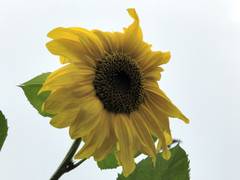
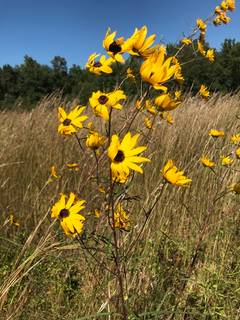
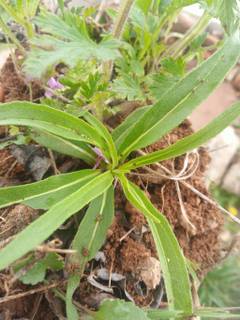
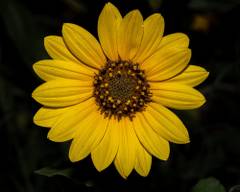
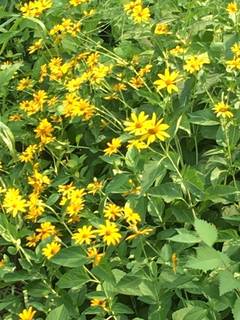
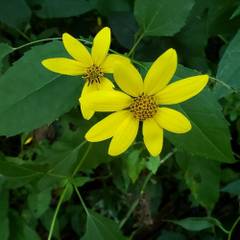
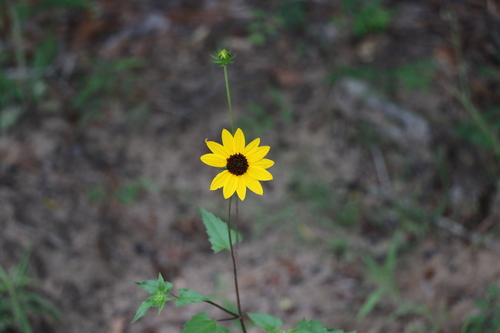
Helianthus debilis is a sprawling annual or short-lived perennial sunflower that spreads 2-4 feet (0.6-1.2 m) wide and stands 1-3 feet (30-90 cm) tall, with branching, often reclining stems. The rough, triangular to heart-shaped leaves are 2-4 inches (5-10 cm) long on long stalks. It bears yellow daisy-like flower heads 2-3 inches (5-8 cm) across, each with bright yellow rays around a reddish-brown to purple disc, blooming nearly year-round in frost-free areas and through the warm months elsewhere. The heads mature into small seeds eaten by birds. H. debilis grows on coastal dunes, beaches, sandy fields, and roadsides of the southeastern United States, especially Florida, tolerating salt spray, heat, drought, and poor sandy soils. It spreads quickly to form a loose groundcover but is short-lived and reseeds heavily, so plantings shift over time. It rots in wet, heavy soils and is damaged by frost. Bees and butterflies visit the flowers through the long bloom. The sprawling stems root where they touch moist sand.
Native Range
Native to the southeastern United States, centered in Florida and along the Gulf and southern Atlantic coasts, growing on dunes, beaches, and sandy ground.Suggested Uses
Used as a sandy-site groundcover, in coastal and beach plantings, and in butterfly gardens. It covers dunes and dry slopes and tolerates salt spray. Its short life and heavy reseeding make it a shifting rather than permanent planting.How to Identify
Appearance
Size & Dimensions
Height1' - 3'
Width/Spread2' - 4'
Bloom Information
Detailed Descriptions
Foliage Description
greenGrowing Conditions
Sun Requirements
Requires 6-12 hours of direct sunlight daily
• Full Sun: 6+ hours of direct sunlight
• Partial Shade: 3-6 hours of direct sunlight
• Full Shade: Less than 3 hours of direct sunlight
Water & Climate
Water Needs
Drought Tolerance
Drought tolerant when established
Care & Maintenance
Care Guide
Helianthus debilis grows in full sun and sandy, sharply drained soil with a pH from about 6.0 to 8.0, including coastal sites with salt spray. Once established it survives on rainfall and needs little water, and it tolerates heat and drought. Wet, heavy soils cause rot, and frost cuts back or kills the plant. It is grown from seed sown in spring and reseeds heavily on its own. The sprawling stems root where they contact moist sand, spreading the planting. No fertilizer is needed in lean coastal soils.Pruning
Shearing the sprawling stems keeps the planting compact and removes spent flowers. Plants are cut back or replaced as they decline after one or two seasons. Frost-killed growth is cleared in spring.Container Growing
Suitable for container growing
Minimum container size: 2 gallons
Toxicity
Non-toxicPlanting Guide
Planting Methods & Timing
Planting Method
direct sow