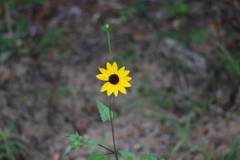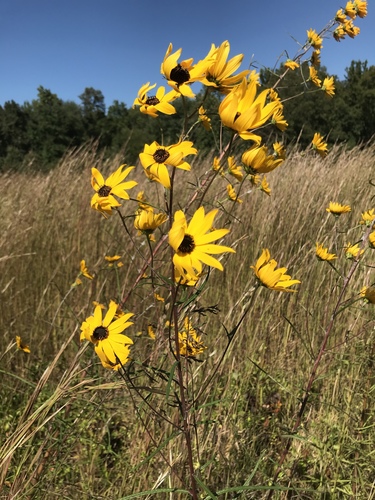
Helianthus, Genus, angustifolius, Species,
- Genus & species
swamp sunflower
Native to the eastern United States from New York south to Florida and west to Texas; native habitats are moist meadows, roadside ditches, swamp margins, and wet prairies along the coastal plain
Overview
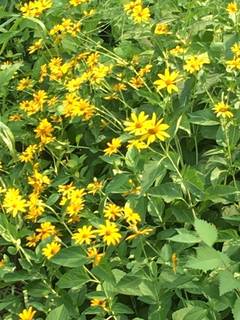
Helianthus angustifolius is a tall native perennial sunflower in the daisy family (Asteraceae) reaching 48–72 inches (120–180 cm) tall and 36–48 inches (90–120 cm) wide. Masses of bright golden-yellow daisy flowers 2–3 inches (5–8 cm) across with a dark purple-brown center disc appear from September through November — among the latest-blooming perennials available, filling a color gap when most summer perennials have finished and fall asters and chrysanthemums are winding down. The species name 'angustifolius' translates as 'narrow-leaved', referring to the very narrow dark green rough-textured lance-shaped leaves that give the plant a narrow-leaved grassy appearance unlike the broad coarse leaves of most sunflower species. The common name 'swamp sunflower' indicates the species' native habitat in moist to wet meadows, ditches, and swamp margins along the eastern coastal plain. Despite the wetland origin, the species tolerates average garden soil and even periodic drought, though the tallest most vigorous growth occurs in consistently moist conditions. The tall stature may require staking or pinching: cutting stems back by one-half in early June produces shorter bushier plants (36–48 inches / 90–120 cm) that resist flopping. The species spreads by short rhizomes, gradually forming expanding clumps. In rich moist soil, the spread can be vigorous and may need thinning to contain the colony. Deer may browse the foliage — the species runs less deer-resistant than many native perennials. Not known to be toxic to pets or humans.
Native Range
Helianthus angustifolius is native to the eastern United States, from New York south to Florida and west to Texas. The species grows in moist meadows, roadside ditches, swamp margins, and wet prairies along the coastal plain.Suggested Uses
Used at the back of borders, in naturalized meadow plantings, along ponds, and in rain gardens where the tall fall gold display adds late-season color. Suits use in groups of 3–5 for a concentrated fall sunflower mass that holds visual weight against the autumn foliage of nearby trees and shrubs. The late bloom supports migrating butterflies (monarchs), late-season native bees, and non-migratory hummingbirds preparing for fall southward movement. Not suited to formal borders due to the tall spreading habit and the rhizome spread; use in informal meadow and naturalistic planting contexts where vigorous spread runs acceptable. Cut flowers last 5–7 days in water and add fall-color accent to autumn arrangements alongside ornamental grasses, asters, and goldenrod.How to Identify
Appearance
Size & Dimensions
Height4' - 6'
Width/Spread3' - 4'
Bloom Information
Flowering from September through November across approximately 4 weeks at peak. Among the latest-blooming perennial sunflowers — most Helianthus species bloom in summer, and the late-fall timing of this species fills the color gap before late asters and chrysanthemums dominate the autumn display. The golden-yellow flowers complement fall foliage colors of red maple, red oak, and sweetgum across the eastern coastal plain native range. Plants attract late-season pollinators including migrating monarch butterflies passing through the southern United States.
Detailed Descriptions
Flower Description
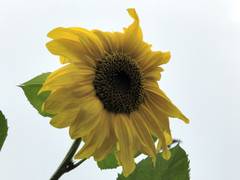
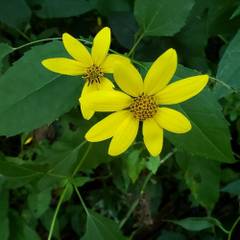
Bright golden-yellow ray florets with a dark purple-brown center disc; daisy-like heads 2-3 inches acrossFoliage Description
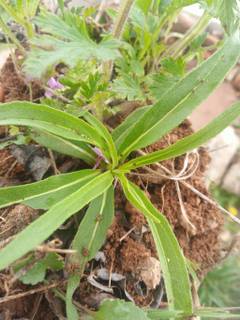
Dark green; very narrow lance-shaped rough-texturedGrowing Conditions
Sun Requirements
Requires 6-12 hours of direct sunlight daily
• Full Sun: 6+ hours of direct sunlight
• Partial Shade: 3-6 hours of direct sunlight
• Full Shade: Less than 3 hours of direct sunlight
Care & Maintenance
Care Guide
Plant in full sun with at least 6 hours of direct light. Average to moist soil; the species tolerates wet conditions but does not require them. Water during dry spells for the tallest most vigorous growth. Pinch or cut stems by one-half in early June for shorter bushier plants that resist flopping in late summer storms; without pinching, plants reach 6 feet and may need staking. The rhizome spread runs vigorous in rich moist conditions and may need thinning every 2–3 years to contain the colony. Leave spent stalks standing through winter as a seed source for ground-foraging birds. Cut all stems to ground level in late February or early March before new growth emerges.Pruning
Pinch or cut stems by one-half in early June for compact growth that resists flopping. Cut all stems to ground level in late February or early March before new growth emerges. Thin rhizome spread every 2–3 years if the colony exceeds the intended planting area.Pruning Schedule
Prune: February–March & June
springsummer