Image 1 of 6
1 / 6
Plant Reference
Quercus, Genus, rubra, Species,
- Genus & species
red oak
Eastern North America from Nova Scotia and southern Quebec west to Minnesota, south to Georgia, Alabama, and Oklahoma; mixed hardwood forests, upland slopes, and well-drained bottomlands
Overview
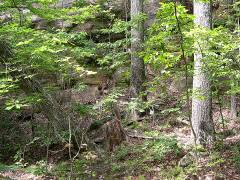
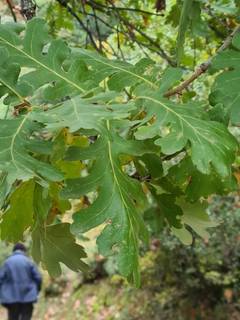
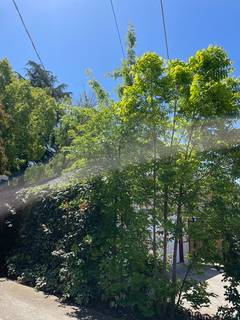
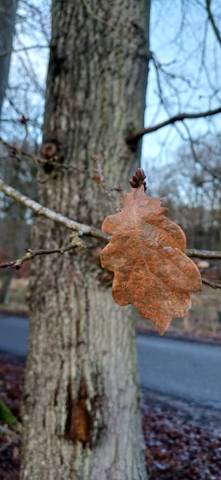
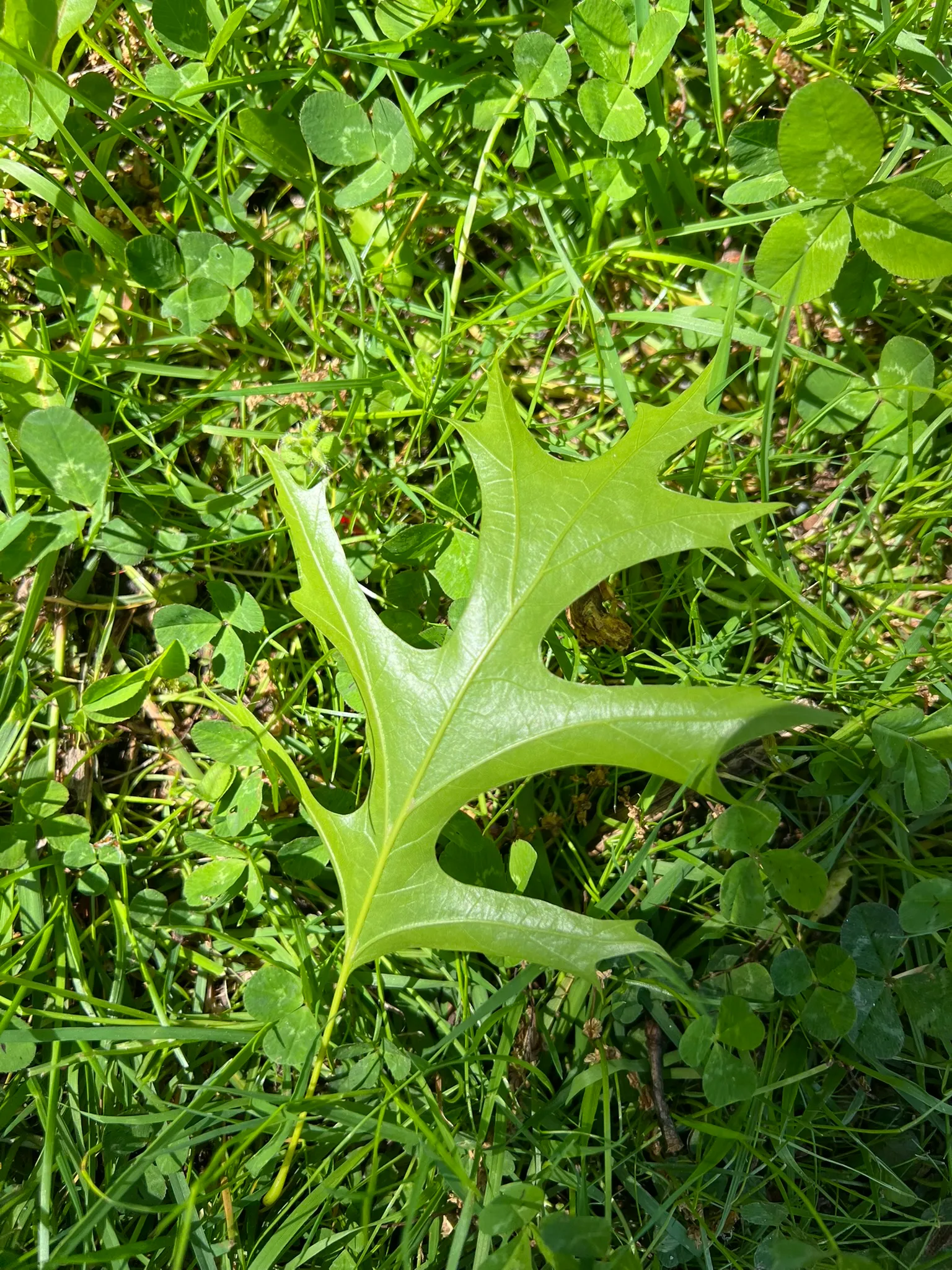
Quercus rubra is a large deciduous tree in the family Fagaceae reaching 50–75 feet (15–23 m) tall and 40–60 feet (12–18 m) wide in cultivation with a rounded to broadly spreading crown on a straight continuous trunk. Bark on young trees is smooth and gray-green, and on mature specimens it develops flat-topped ridges with shallow furrows and a pattern of lighter vertical stripes running down the length of the trunk that is a reliable field character for the species. Leaves are alternate, simple, 5–9 inches (13–23 cm) long, and carry 7–11 pointed bristle-tipped lobes separated by U-shaped sinuses that extend roughly halfway to the midrib — a shallower cut than the deeper C-shaped sinuses of Quercus coccinea. Foliage emerges reddish in spring, matures to dark green with a matte finish above and paler undersides, and turns red to russet-brown in fall over a 2–3 week transition period; fall color is variable across individual trees, with some producing consistent clear red and others tending toward brown. Acorns are broad, 0.75–1 inch (2–2.5 cm) long, with shallow saucer-shaped caps covering about one-quarter of the nut, and mature in two growing seasons. Growth is moderate to rapid for an oak at 18–24 inches (45–60 cm) per year in favorable soils, and trees commonly live 200–400 years. The species tolerates urban pollution, compacted soils, and moderate salt exposure and is widely planted as a street and park tree across its native range. Limitation: iron chlorosis develops on alkaline soils above pH 7.0 with interveinal yellowing of the foliage, bacterial leaf scorch (Xylella fastidiosa) produces marginal browning of older leaves in late summer and gradually declines the tree over 5–10 years with no available cure, and oak wilt (Bretziella fagacearum) is lethal to red oak group species, so pruning wounds during the growing season are avoided in regions where oak wilt is established.
Native Range
Native to eastern North America from Nova Scotia and southern Quebec west to Minnesota and south to Georgia, Alabama, and Oklahoma. Grows in mixed hardwood forests, upland slopes, and well-drained bottomlands at elevations from sea level to approximately 5,500 feet (1,700 m), and reaches its largest size on deep well-drained loam soils of the Appalachian region.Suggested Uses
Used as a shade tree, street tree, and park tree at a minimum of 35 foot (10.5 m) spacing from structures and other large trees where the 40–60 foot (12–18 m) mature spread has room to develop. Parks, campuses, large residential lots, and institutional grounds suit the species because of the long lifespan, tolerance of urban pollution and compacted soils, and the red fall color. Acorns supply food for squirrels, deer, turkeys, and jays across the long lifespan. Alkaline urban sites above pH 7.0 are unsuitable because of the iron chlorosis susceptibility.How to Identify
Appearance
Size & Dimensions
Height50' - 75'
Width/Spread40' - 60'
Bloom Information
Monoecious catkins open in April and May as the leaves emerge. Male catkins are pendulous and yellowish-green, and female flowers are tiny and inconspicuous at the tips of the current-year shoots. The bloom is wind-pollinated and is not ornamentally significant. Acorns mature in two growing seasons and ripen in September and October of the second year after flowering.
Detailed Descriptions
Flower Description
monoecious; male catkins are pendulous and yellowish-green, opening in April and May, and female flowers are tiny and inconspicuous on the current-year shootsFoliage Description
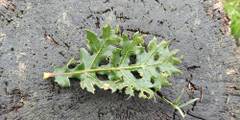
dark green with a matte finish on the upper surface, paler beneath; alternate, simple, 5-9 inches (13-23 cm) long with 7-11 pointed bristle-tipped lobes separated by U-shaped sinuses extending roughly halfway to the midrib; emerges reddish in spring and turns red to russet-brown in fallGrowing Conditions
Sun Requirements
Requires 6-10 hours of direct sunlight daily
• Full Sun: 6+ hours of direct sunlight
• Partial Shade: 3-6 hours of direct sunlight
• Full Shade: Less than 3 hours of direct sunlight
Care & Maintenance
Care Guide
Site in full sun with 6–10 hours of direct sun per day in well-drained acidic to neutral soil with a pH of 4.5–7.0. Supplemental deep irrigation every 1–2 weeks through the first 2–3 growing seasons establishes the root system, after which trees tolerate summer drought and benefit from occasional deep irrigation during extended dry periods of 4–6 weeks or longer. Alkaline soils above pH 7.0 produce iron chlorosis with interveinal yellowing of the foliage. Soil disturbance within the dripline — grading, paving, or trenching — causes root damage that leads to crown decline 3–10 years later. Bacterial leaf scorch (Xylella fastidiosa) produces marginal browning of older leaves in late summer and gradually declines the tree over 5–10 years with no available cure. Oak wilt (Bretziella fagacearum) is lethal to red oak group species, so pruning wounds are avoided during the growing season (April through July) in regions where the disease is established. Hardy in USDA zones 3–8.Pruning
Pruning is done in late winter during full dormancy (January and February). Structural pruning in the first 15–20 years builds a strong central leader with well-spaced scaffold branches, and co-dominant leaders with included bark are reduced during this formative period. Mature trees need little pruning beyond removal of dead, damaged, and crossing branches. Removal of more than 20 percent of the live crown in a single season stresses the tree and is avoided. Pruning during the growing season (April through July) is avoided in regions where oak wilt occurs because fresh wounds attract sap-feeding beetles that transmit the disease.Pruning Schedule
Prune: January–February
winter