Image 1 of 3
1 / 3
Plant Reference
Quercus, Genus, ilex, Species,
- Genus & species
holly oak
Mediterranean Basin — Portugal to Turkey, including North Africa (Morocco, Algeria, Tunisia); maquis, coastal forests, and mountain slopes to 5,000 feet (1,500 m)
Overview
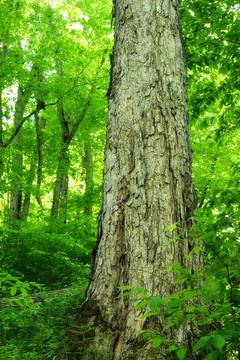
Quercus ilex is holly oak (holm oak), an upright evergreen tree growing 40-70 feet (12-21 m) tall and 40-70 feet (12-21 m) wide. Yellow-green pendulous catkins 2-3 inches (5-7 cm) in April-May (2 weeks). Acorns 0.5-1 inch (1.3-2.5 cm) ripen in fall. Dark glossy green leaves above with gray-white tomentose underside, 1-3 inches (2.5-7 cm), variable — juvenile leaves may be spiny and holly-like, mature leaves smooth-margined. In Fagaceae. Ilex = holly (the juvenile spiny leaves). The dominant evergreen oak of the Mediterranean Basin. The massive size (40-70 feet / 12-21 m) requires a very large site — this is the primary spatial limitation. Tolerates almost any soil (pH 5.0-8.5), salt spray, wind, and drought. Long-lived (500-1,000+ years). Acorns edible (historically ground into flour). Finely fissured dark gray bark. Leaves and acorns contain tannins that are harmful if eaten in quantity, especially to horses and grazing livestock; the risk to people is generally low. Deer-resistant. Zones 7-10. Full sun. Growth rate is slow to moderate.
Native Range
Native to the Mediterranean Basin — Portugal to Turkey, including North Africa. Found in maquis, coastal forests, and mountain slopes to 5,000 feet (1,500 m).Suggested Uses
Grown as a large evergreen shade tree, windbreak, or coastal specimen on very large sites, spaced 40-70 feet (12-21 m). Salt- and wind-tolerant. Chalk-tolerant. Long-lived. Leaves and acorns are harmful to horses, livestock and pets if eaten in quantity. Zones 7-10.How to Identify
Appearance
Size & Dimensions
Height40' - 70'
Width/Spread40' - 70'
Bloom Information
Mid spring (April-May). Yellow-green pendulous male catkins 2-3 inches (5-7 cm). 2 weeks. Wind-pollinated. Acorns 0.5-1 inch (1.3-2.5 cm) ripen in fall of the same year.
Detailed Descriptions
Flower Description
Yellow-green male catkins 2-3 inches (5-7 cm), pendulous, in spring; female flowers inconspicuous; acorns 0.5-1 inch (1.3-2.5 cm) ripen in fall of the same year (annual fruiting, unlike many oaks which take 2 years)Foliage Description
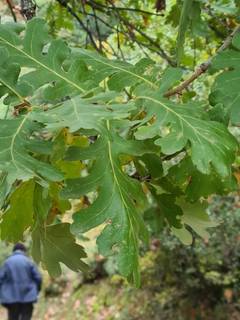
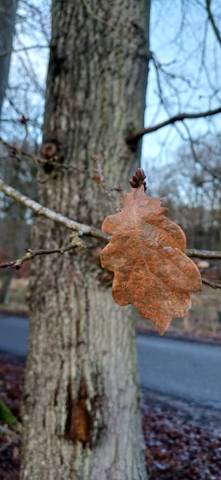
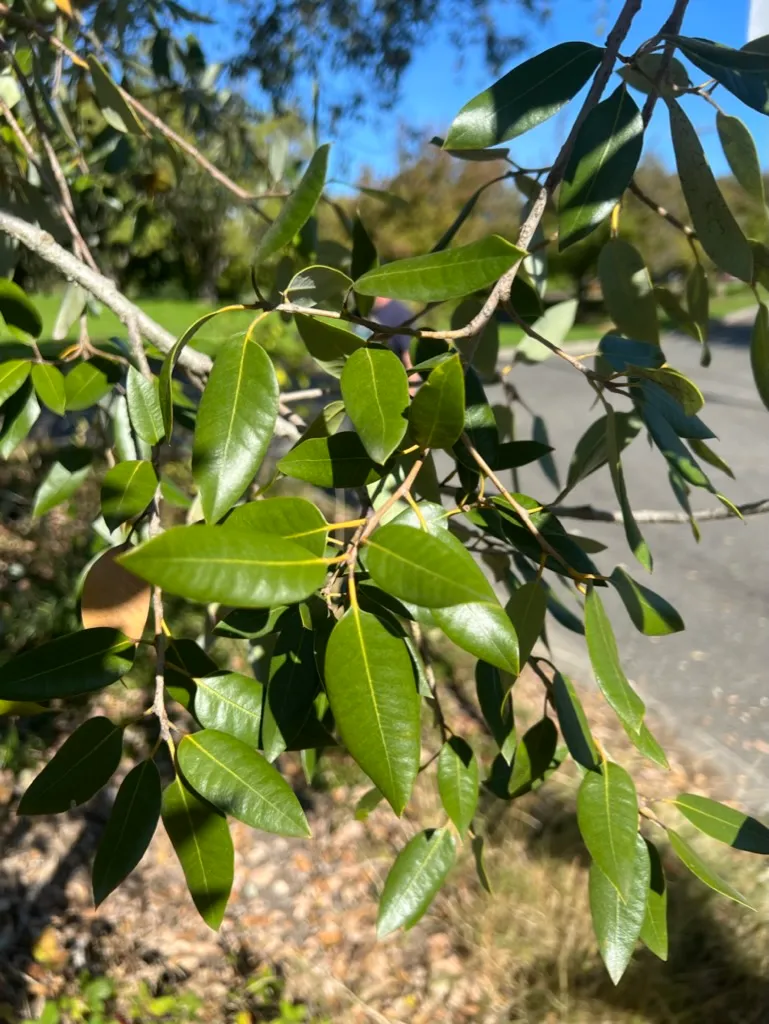
Dark glossy green above, gray-white tomentose beneath, ovate to elliptic, 1-3 inches (2.5-7 cm), leathery, variable — juvenile leaves may be spiny and holly-like (hence 'holly oak'; ilex = holly), mature leaves typically entire (smooth margins); the two-toned foliage (green above, white below) shimmers in wind; evergreen year-roundGrowing Conditions
Sun Requirements
Requires 6-12 hours of direct sunlight daily
• Full Sun: 6+ hours of direct sunlight
• Partial Shade: 3-6 hours of direct sunlight
• Full Shade: Less than 3 hours of direct sunlight
Care & Maintenance
Care Guide
Full sun (6-12 hours). Almost any well-drained soil pH 5.0-8.5 (including chalk and limestone). Tolerates salt spray, wind, and drought. Massive size (40-70 feet / 12-21 m) — requires very large site. Minimal pruning. Leaves and acorns are harmful to horses, livestock and pets if eaten in quantity. Deer-resistant. Zones 7-10.Pruning
Prune in early spring (February-March) if needed to shape or remove lower limbs. Tolerates hard pruning. The dense canopy requires minimal maintenance in most settings.Pruning Schedule
Prune: February–March
early spring