Quercus, Genus, gambelii, Species,
- Genus & species
Gambel oak
Southwestern United States and Rocky Mountains
Overview
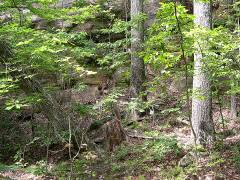
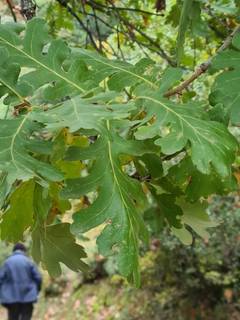
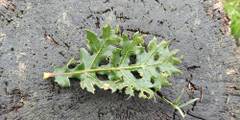
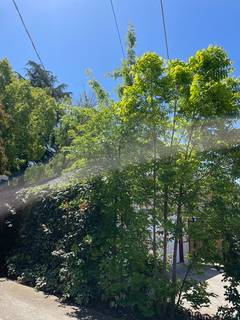
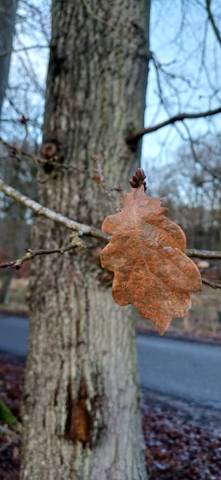
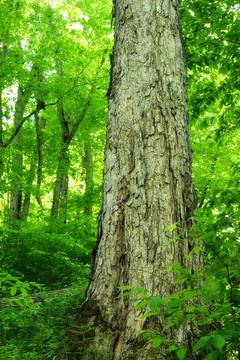
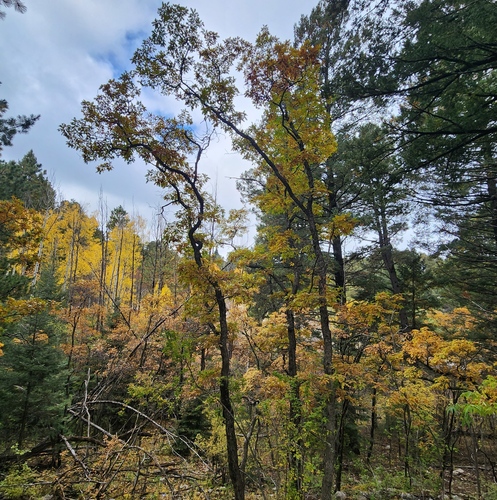
Quercus gambelii is a deciduous oak that grows as a multi-stemmed shrub or small tree, ranging from 10 to 30 feet (3 to 9 m) tall and often forming clonal thickets connected by underground rhizomes. In exposed or dry sites it stays shrub-sized at 6-15 feet (1.8-4.6 m), while sheltered canyon bottoms allow single-trunked trees toward the upper end of the range. The deeply lobed leaves are 2-6 inches (5-15 cm) long, dark green and leathery above with paler undersides, turning yellow to russet-brown before dropping in fall. Yellow-green male catkins appear with the new leaves in April and May, and acorns 0.5-0.8 inch (1.3-2 cm) long ripen in a single season, maturing in late summer. The species is wind-pollinated and sets acorn crops that vary sharply from year to year. Bark is gray and rough, becoming furrowed with age. It is native to the Rocky Mountains and Colorado Plateau, where it tolerates drought, cold, and poor rocky soils once established. The thicket-forming habit spreads by root sprouts and can colonize disturbed slopes, which limits its use in small or formal plantings. Acorns and foliage contain tannins that can sicken grazing pets and livestock.
Native Range
Native to the southwestern United States and the Rocky Mountains, from Colorado, Utah, and Nevada south through Arizona and New Mexico into northern Mexico. It is common on foothills, canyon slopes, and plateaus between 4,000 and 9,000 feet (1,200-2,700 m).Suggested Uses
Used in naturalized and native landscapes, erosion control on dry slopes, and wildlife plantings across the interior West. The thicket habit suits large informal screens and windbreaks rather than small gardens. Acorns and cover support deer, wild turkey, and various mammals and birds.How to Identify
Appearance
Size & Dimensions
Height10' - 30'
Width/Spread10' - 25'
Bloom Information
Yellow-green catkins emerge alongside the unfolding leaves in April and May. The flowers are wind-pollinated and inconspicuous. Acorns develop over a single summer and ripen from August to October, with heavy crops occurring only every few years.
Detailed Descriptions
Foliage Description
dark green, turning yellow to russet-brown in fallGrowing Conditions
Sun Requirements
Requires 6-12 hours of direct sunlight daily
• Full Sun: 6+ hours of direct sunlight
• Partial Shade: 3-6 hours of direct sunlight
• Full Shade: Less than 3 hours of direct sunlight