Quercus, Genus, ×, Hybrid, eplingii, Species,
- Genus & species
- Hybrid
Epling's oak
Overview
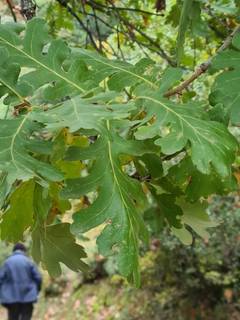
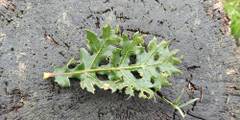
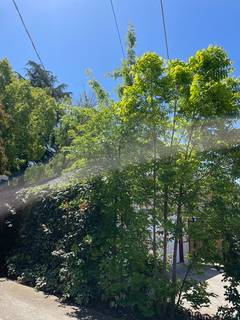
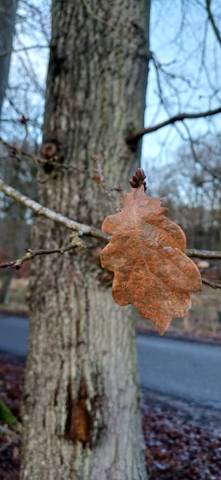
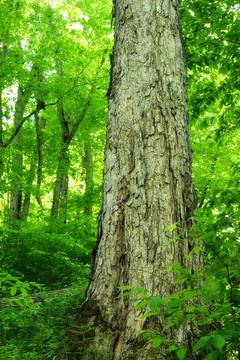
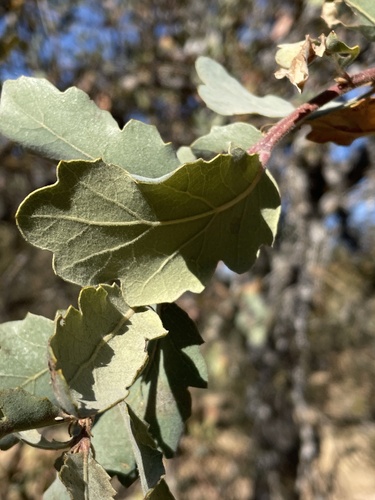
Quercus × eplingii is a hybrid oak that arises where the ranges of its parent species overlap. It grows as a tree, typically 20-50 feet (6-15 m) tall, with a broad, rounded crown and a short, stout trunk. The leaves are leathery, 1.5-4 inches (4-10 cm) long, with shallow lobes or wavy margins, dull green above and paler beneath, and intermediate in form between the two parents. Separate male catkins and small female flowers open in spring with the new growth, with wind carrying the pollen. Acorns 0.5-1 inch (1.3-2.5 cm) long sit in a shallow, scaly cap and ripen in autumn. Growth is slow to moderate. Because it is a hybrid, individual trees vary in leaf shape, lobing, and the amount of foliage held into winter. The deep root system establishes poorly after transplanting once the tree is mature, and acorn crops vary from year to year.
Native Range
A hybrid of natural origin, found where its Quercus parent species grow together. Oaks of this group occupy woodlands, savannas, and slopes of temperate North America. Hybrid individuals are scattered among stands of the parent species rather than forming pure populations.Suggested Uses
Grown as a shade or specimen tree in large gardens, parks, and rural settings where there is room for a broad crown. Spaced at least 25-30 feet (7.5-9 m) from buildings and other trees. The variable form and slow establishment make it less common in formal or small-lot plantings.How to Identify
Appearance
Size & Dimensions
Height20' - 50'
Width/Spread20' - 40'
Colors
Foliage Colors
Bloom Information
Flowering occurs in spring as the new leaves emerge, usually April to May. Oaks are wind-pollinated, and the drooping male catkins are more visible than the tiny female flowers. The flowers make no showy display, and timing shifts with spring temperatures.
Detailed Descriptions
Foliage Description
greenGrowing Conditions
Sun Requirements
Requires 6-8 hours of direct sunlight daily
• Full Sun: 6+ hours of direct sunlight
• Partial Shade: 3-6 hours of direct sunlight
• Full Shade: Less than 3 hours of direct sunlight
Care & Maintenance
Care Guide
Set young, container-grown trees in deep, well-drained soil in full sun, since the taproot makes large trees hard to move. Water through the first few summers to establish, then reduce watering, as established oaks of this type tolerate seasonal drought and can decline under frequent summer irrigation near the trunk. Oaks host many insects, including gall wasps, leaf-mining caterpillars, and borers, most of which cause little lasting harm. Powdery mildew and oak fungal diseases occur in some regions. Soil compaction or grading over the root zone damages the roots and can kill mature trees. Established trees need little routine care.Pruning
Prune in late fall through winter while the tree is dormant to limit sap loss and reduce the spread of oak diseases active in the growing season. Remove dead, crossing, or broken branches and any competing leaders while the tree is young to build a strong framework. Mature oaks need only the removal of damaged wood.Pruning Schedule
Prune: December–January
winter