Quercus, Genus, lobata, Species,
- Genus & species
valley oak
Endemic to California, from Shasta County south through the Central Valley and Coast Ranges to Los Angeles County; the species occurs on deep alluvial soils in valley bottoms, floodplains, and lower foothill savanna from near sea level to approximately 5,000 ft (1,500 m); the largest North American oak, defining the visual character of the Central Valley and foothill savannas; threatened by lack of regeneration — cattle grazing, rodent predation, and competition from introduced annual grasses prevent most acorn seedlings from establishing in the species' native range
Overview
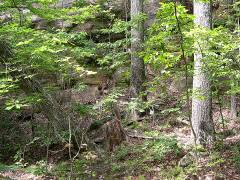
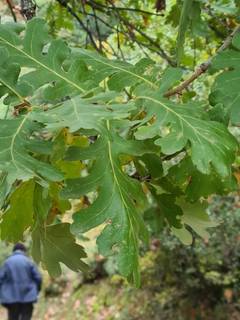
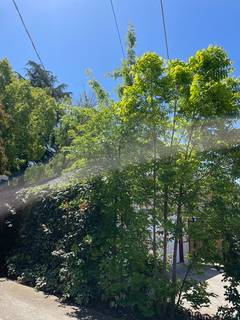
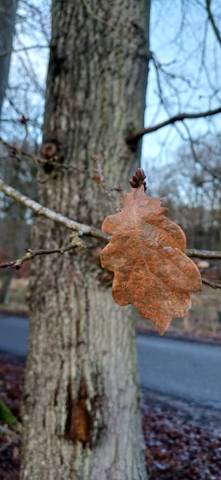
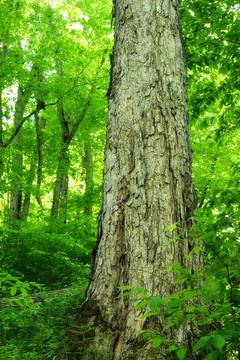
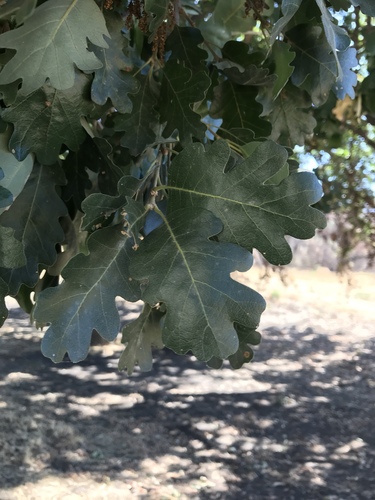
Quercus lobata is the largest North American oak, growing 40-70 ft (12-21 m) tall and 40-80 ft (12-24 m) wide with a massive spreading rounded crown and heavy drooping lower limbs that may touch the ground. Endemic to California, where the species defines the visual character of the Central Valley and foothill savannas. Trunk diameter reaches 3-6 ft (90-180 cm) on mature specimens. Bark is thick, grey, deeply checked into small blocks. Leaves are 2-4 inches (5-10 cm) long, deeply lobed with 7-11 rounded lobes (white oak group), dark green above, pale grey-green beneath. Acorns are among the longer of any native oak — 1.5-2.5 inches (4-6 cm) long, elongated, conical, with a deep warty cap covering one-third. Acorns mature in one season. The species is restricted to deep alluvial soils in valley bottoms and lower foothill slopes — the species does not occur on the thinner soils of upper slopes where Q. douglasii (blue oak) dominates. Threatened by lack of regeneration — cattle grazing, rodent predation, and competition from introduced annual grasses prevent most acorn seedlings from establishing. Long-lived: specimens exceeding 600 years are documented. Not suited to the Pacific Northwest — the species requires California's hot dry summers.
Native Range
Quercus lobata is endemic to California, from Shasta County south through the Central Valley and Coast Ranges to Los Angeles County. The species occurs on deep alluvial soils in valley bottoms, floodplains, and lower foothill savanna from near sea level to approximately 5,000 ft (1,500 m).Suggested Uses
The iconic specimen tree of California valley landscapes. Preserved in residential and agricultural developments. Used in California oak woodland restoration. The massive canopy gives shade over 0.25 acre (1,000 m²) or more on mature specimens. Acorns are a primary food source for acorn woodpeckers, ground squirrels, deer, and historically for California indigenous peoples.How to Identify
Appearance
Size & Dimensions
Height40' - 70'
Width/Spread40' - 80'
Bloom Information
Catkins in March-April. Acorns ripen September-October in one season. Heavy mast years every 2-4 years.
Detailed Descriptions
Flower Description
Yellowish-green catkins in March-April; wind-pollinated; acorns ripen September-October in one season; heavy mast years occur every 2-4 yearsFoliage Description
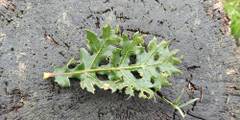
Dark green above, pale grey-green beneath; leaves are 2-4 inches (5-10 cm) long, deeply lobed with 7-11 rounded lobes (white oak group)Growing Conditions
Sun Requirements
Requires 6-12 hours of direct sunlight daily
• Full Sun: 6+ hours of direct sunlight
• Partial Shade: 3-6 hours of direct sunlight
• Full Shade: Less than 3 hours of direct sunlight
Care & Maintenance
Care Guide
Plant in full sun in deep well-drained alluvial soil at pH 6.0-7.5. The species requires summer heat — not suited to cool maritime climates. Space 40-50 ft (12-15 m) apart. Do not irrigate established trees in summer — like Q. agrifolia, summer irrigation promotes root rot. Water only during the first 2-3 years. Protect young trees from deer and rodent browsing with tree tubes.Pruning
Prune in the dry season (June-September). Remove dead and structurally weak branches. The massive drooping limbs are a natural growth form — do not remove unless safety requires it.Pruning Schedule
Prune: June–September
summer