Quercus, Genus, macrocarpa, Species,
- Genus & species
bur oak
Native across central and eastern North America, from Manitoba and New Brunswick south to Texas and Virginia; the widest-ranging native oak in latitude and longitude; the species occurs in floodplains, upland forests, savannas, and prairies from near sea level to approximately 3,000 ft (900 m); the thick corky bark is fire-resistant — bur oak was a dominant tree of the pre-settlement oak savannas maintained by periodic fire across the central US
Overview
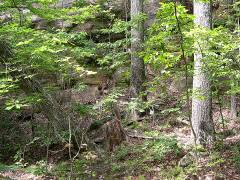
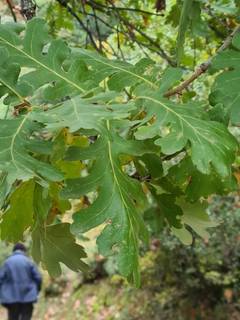
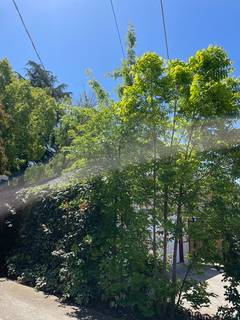
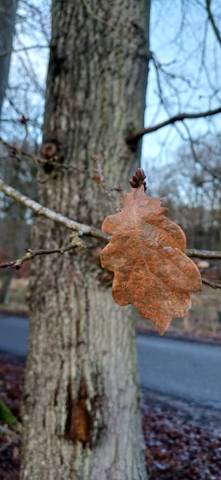
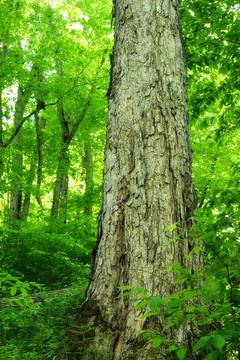
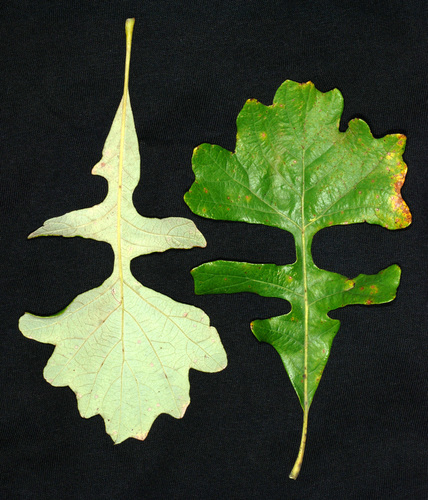
Quercus macrocarpa is a large long-lived deciduous tree in the beech family (Fagaceae) growing 60-80 ft (18-24 m) tall and 60-80 ft (18-24 m) wide with a broad rounded spreading crown. The epithet 'macrocarpa' (large-fruited) references the acorns, which are the largest of any native North American oak — 1-2 inches (2.5-5 cm) long, nearly enclosed by a deep thick cap fringed with a mossy burred fringe — the 'mossycup' that gives the tree its common names. Leaves are 6-12 inches (15-30 cm) long, obovate, with a fiddle-shaped outline: the lower half is deeply lobed, the upper half has shallow broad lobes separated by a narrow waist — the fiddle shape is diagnostic. Bark is thick, deeply furrowed, grey-brown. The species has the widest ecological amplitude of any North American oak — occurring from the boreal forest edge in Manitoba to the Gulf Coast of Texas, from humid eastern forests to the western Great Plains. The thick corky bark is fire-resistant — bur oak was a dominant tree of the pre-settlement oak savannas maintained by periodic fire. Tolerates drought, cold (-40°F / -40°C), alkaline soil, urban conditions, and a wider range of soil types than any other native oak. Growth rate is slow to moderate — 12-18 inches (30-45 cm) per year.
Native Range
Quercus macrocarpa is native across central and eastern North America, from Manitoba and New Brunswick south to Texas and Virginia. The widest-ranging native oak in latitude and longitude. The species occurs in floodplains, upland forests, savannas, and prairies from near sea level to approximately 3,000 ft (900 m).Suggested Uses
Shade and specimen tree for large landscapes, parks, and open spaces. The widest soil and climate tolerance of any native oak — suited to zones 3-8 on any well-drained soil from acidic to alkaline. Used as a street tree in wide medians and parks. Suited to prairie and savanna restoration. The massive canopy and long lifespan (300+ years) make it a legacy tree.How to Identify
Appearance
Size & Dimensions
Height60' - 80'
Width/Spread60' - 80'
Bloom Information
Catkins in April-May. Acorns ripen September-October in one season. The large acorns are consumed by squirrels, deer, turkeys, and other wildlife.
Detailed Descriptions
Flower Description
Yellowish-green catkins in April-May; wind-pollinated; acorns ripen September-October in one season; the large acorns are consumed by squirrels, deer, turkeys, and other wildlifeFoliage Description
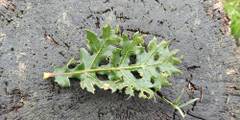
Dark green obovate leaves 6-12 inches (15-30 cm) long with a fiddle-shaped outline — the lower half is deeply lobed, the upper half has shallow broad lobes separated by a narrow waist, which gives the species its diagnostic leaf shapeGrowing Conditions
Sun Requirements
Requires 6-10 hours of direct sunlight daily
• Full Sun: 6+ hours of direct sunlight
• Partial Shade: 3-6 hours of direct sunlight
• Full Shade: Less than 3 hours of direct sunlight
Care & Maintenance
Care Guide
Plant in full sun in deep well-drained soil at pH 5.5-8.0 — the species tolerates alkaline and clay soils. Space 40-50 ft (12-15 m) apart. Water during the first 3-5 years. Once established, extremely drought-tolerant. The thick bark gives fire resistance. The species transplants more easily than Q. alba but still benefits from balled-and-burlapped or container stock.Pruning
Prune in late winter (dormant season). Remove dead and structurally weak branches. The broad crown is self-maintaining.Pruning Schedule
Prune: January–March
late winter