Quercus, Genus, coccinea, Species,
- Genus & species
scarlet oak
Eastern North America — from Maine to Florida, west to Minnesota and Missouri; dry upland ridges, sandy soils, and well-drained slopes
Overview
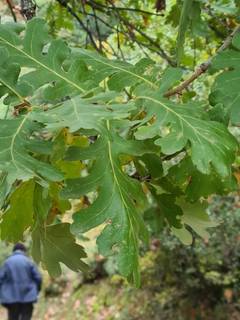
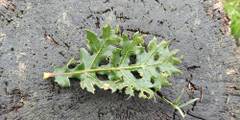
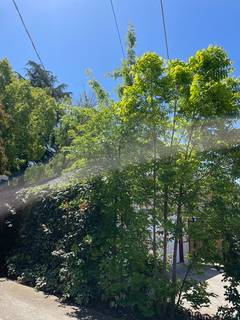
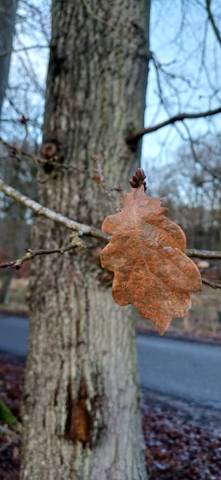
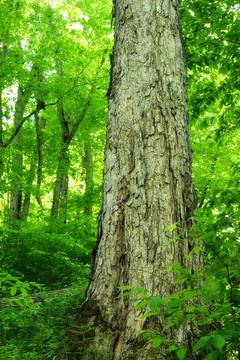
Quercus coccinea is scarlet oak, a large upright deciduous tree growing 50-70 feet (15-21 m) tall and 40-50 feet (12-15 m) wide with an open rounded crown. Glossy dark green alternate leaves deeply 7-9 lobed with bristle-tipped sinuses cut more than halfway to the midrib, 3-6 inches (7-15 cm) long. Turns scarlet to red in fall. A member of the red oak group (section Lobatae). Acorns 0.5-1 inch (1.3-2.5 cm) with a deep cup covering 1/3-1/2 of the nut, maturing in 2 years. In Fagaceae. Native to eastern North America — dry upland ridges and sandy soils. The deep taproot makes transplanting large specimens difficult — plant as a small container-grown tree. This transplanting difficulty is the primary establishment limitation. Fall color is variable from seed — seedling-grown trees range from vivid scarlet to dull brown. Select named cultivars or nursery-tagged trees with confirmed color. Distinguished from Q. rubra (red oak — shallower sinuses, lobes cut less than halfway to midrib) and Q. palustris (pin oak — similar deep sinuses but lower branches droop). Requires acidic well-drained soil (pH 4.5-6.5) — iron chlorosis in alkaline conditions. Deer-resistant. Drought-tolerant once established. Leaves and acorns contain tannins that are harmful if eaten in quantity, especially to horses and grazing livestock; the risk to people is generally low. Zones 4-9. Full sun. Growth rate is moderate.
Native Range
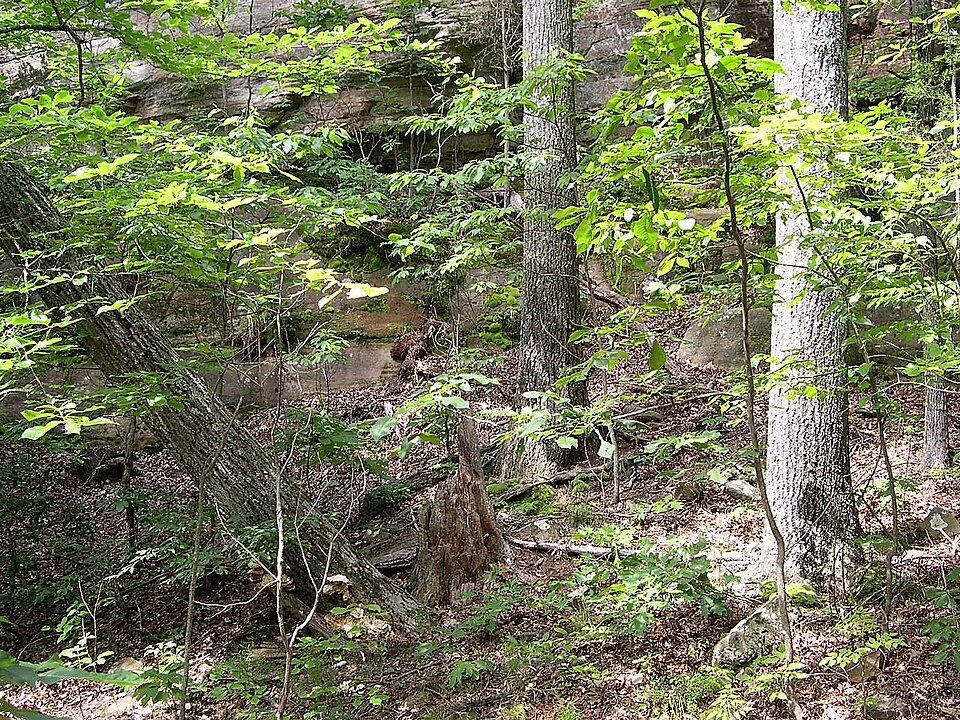
Native to eastern North America — from Maine to Florida, west to Minnesota and Missouri. Found on dry upland ridges, sandy soils, and well-drained slopes.Suggested Uses
Grown as a shade tree and specimen tree in large landscapes with acidic well-drained soil spaced 40-50 feet (12-15 m). Scarlet fall color. Select trees with confirmed fall color (variable from seed). Deep taproot — transplant small. Native to North America. Leaves and acorns are harmful to horses, livestock and pets if eaten in quantity. Zones 4-9.How to Identify
Appearance
Size & Dimensions
Height50' - 70'
Width/Spread40' - 50'
Bloom Information
Mid spring (April-May). Yellowish male catkins 2-4 inches (5-10 cm). Wind-pollinated. 1 week. Acorns mature in 2 years (red oak group).
Detailed Descriptions
Flower Description
Yellowish male catkins 2-4 inches (5-10 cm) in April-May; inconspicuous; wind-pollinatedFoliage Description
Glossy dark green, alternate, deeply 7-9 lobed with bristle-tipped sinuses cut more than halfway to the midrib, 3-6 inches (7-15 cm) long; turns scarlet to red in fall — among the most vivid reds of the red oak groupGrowing Conditions
Sun Requirements
Requires 6-12 hours of direct sunlight daily
• Full Sun: 6+ hours of direct sunlight
• Partial Shade: 3-6 hours of direct sunlight
• Full Shade: Less than 3 hours of direct sunlight
Care & Maintenance
Care Guide
Full sun (6+ hours). Acidic well-drained soil pH 4.5-6.5 — iron chlorosis in alkaline conditions. Drought-tolerant once established. Deep taproot — transplant as small tree. Do not prune April-July (oak wilt risk). Prune in winter (January-February). Deer-resistant. Leaves and acorns are harmful to horses, livestock and pets if eaten in quantity. Zones 4-9.Pruning
Prune in winter (January-February). Do not prune April through July — open wounds during this period increase the risk of oak wilt (Bretziella fagacearum) infection via sap-feeding beetles. Develop a single central leader when young. Remove dead, crossing, or poorly attached branches.Pruning Schedule
Prune: January–February
winter