Quercus, Genus, nigra, Species,
- Genus & species
water oak
Overview
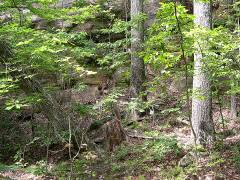
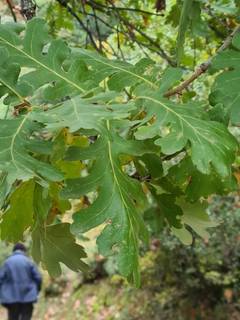
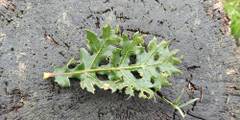
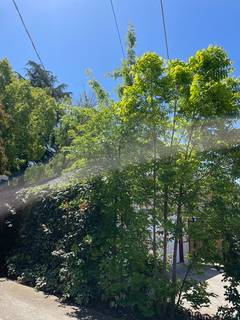
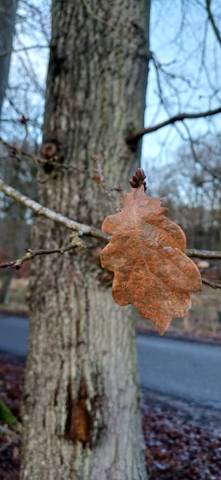
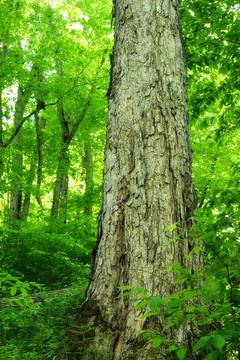
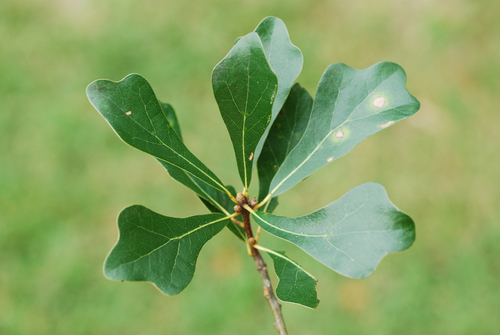
Quercus nigra is a medium to large deciduous to semi-evergreen tree in the beech family, reaching 50-80 feet (15-24 m) tall with a rounded to conical crown spreading 40-60 feet (12-18 m). The leaves are variable, mostly spoon-shaped and widest near the tip, 1.5-4 inches (4-10 cm) long, with smooth or shallowly lobed margins; many hang on the tree well into winter. Bark is smooth and gray on young trunks, becoming furrowed and dark with age. As a member of the red oak group, it bears small acorns about 0.4-0.6 inch (10-15 mm) long with a shallow, saucer-like cap that take two years to mature. The tree grows quickly, often 2-3 feet (60-90 cm) a year when young, but is comparatively short-lived, declining after 60-80 years, and its wood is weak and prone to breakage in storms. Quercus nigra grows naturally in wet bottomlands and along streams but adapts to drier upland soils and to urban conditions, which has made it a common street and shade tree across the southeastern United States. It produces heavy leaf and acorn litter and can develop weak branch unions.
Native Range
Quercus nigra is native to the southeastern United States, from New Jersey south to Florida and west to eastern Texas, mostly on the coastal plain. It grows in floodplains, along streams and ponds, and in moist to wet lowland forests.Suggested Uses
Widely planted as a shade and street tree in the southeastern United States for its fast growth and tolerance of wet and compacted soils. It is used in parks, large lawns, and along roads where there is room for a broad crown. The acorns feed deer, turkey, squirrels, and waterfowl, giving it value in wildlife plantings.How to Identify
Appearance
Size & Dimensions
Height50' - 80'
Width/Spread40' - 60'
Bloom Information
Like other oaks, Quercus nigra flowers in spring as the new leaves expand, in March to April. Male flowers hang in slender yellow-green catkins, while the tiny female flowers sit in the leaf axils and are easy to overlook. Pollination is by wind, and acorns from the fertilized flowers ripen in the second autumn.
Detailed Descriptions
Foliage Description
greenGrowing Conditions
Sun Requirements
Requires 6-12 hours of direct sunlight daily
• Full Sun: 6+ hours of direct sunlight
• Partial Shade: 3-6 hours of direct sunlight
• Full Shade: Less than 3 hours of direct sunlight