Quercus, Genus, ×, Hybrid, acutidens, Species,
- Genus & species
- Hybrid
Torrey's hybrid oak
Overview
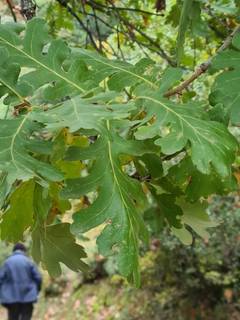
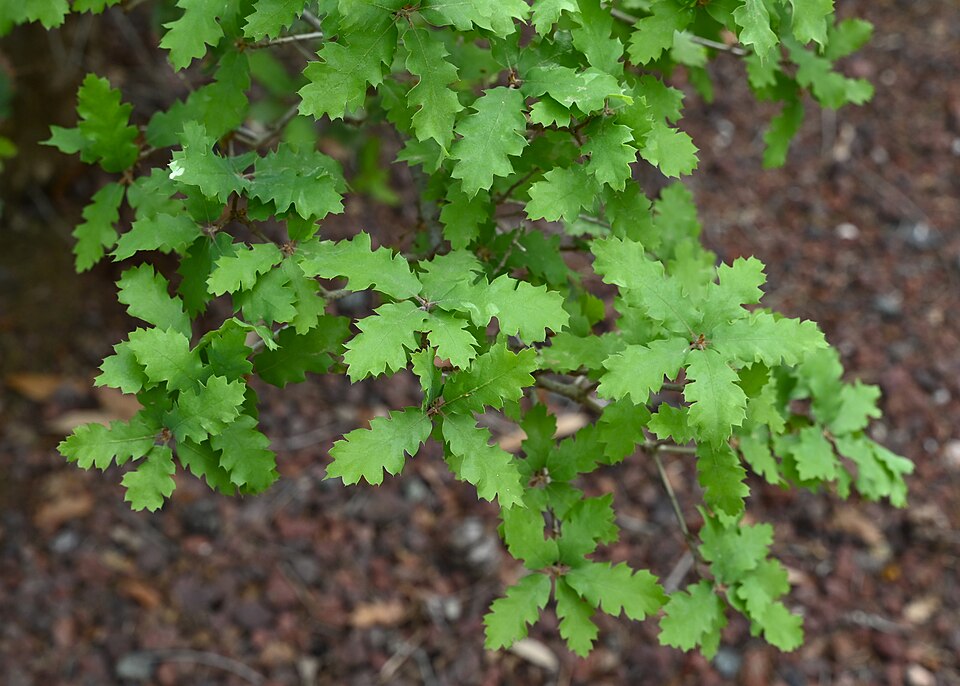
Quercus × acutidens is an evergreen to semi-evergreen oak of southern California, formed by hybridization between Q. engelmannii and the scrub oak Q. cornelius-mulleri. It grows as a large shrub to small tree 10–25 feet (3–7.5 m) tall with a broad, irregular crown and a spread roughly equal to its height. The leaves are leathery, 0.8–1.6 inches (2–4 cm) long, blue-green to gray-green, with margins that range from smooth to shallowly spine-toothed, reflecting the intermediate character between the two parents. Bark is gray and furrowed on older trunks. Inconspicuous yellow-green catkins appear in March and April, wind-pollinated, followed by acorns 0.6–1 inch (15–25 mm) long that mature in a single season. The hybrid occupies foothills and valley margins where the ranges of its parents meet, on dry, well-drained slopes. It is drought-adapted once established and reduces water use through summer, but it grows slowly and is intolerant of poorly drained or frequently irrigated soils, which encourage root rot. Cold tolerance is limited to mild-winter regions, roughly USDA zones 8 to 10. Acorns and foliage contain tannins that can sicken livestock and dogs in quantity.
Native Range
Quercus × acutidens occurs in southern California, mainly in the inland valleys and foothills of the Peninsular and Transverse ranges where Q. engelmannii and Q. cornelius-mulleri grow together.Suggested Uses
Used in native and water-conserving landscapes in southern California as a small shade tree or large screening shrub, spaced 15–20 feet (4.6–6 m) apart. Suited to slope plantings and habitat restoration where acorns feed birds and mammals. Its slow growth and frost sensitivity limit use outside mild-winter regions.How to Identify
Appearance
Size & Dimensions
Height10' - 25'
Width/Spread10' - 25'
Bloom Information
Yellow-green catkins emerge with new growth in March and April. The flowers are wind-pollinated and inconspicuous. Acorns develop over the summer and drop in autumn of the same year.
Detailed Descriptions
Foliage Description
blue-green to gray-greenGrowing Conditions
Sun Requirements
Requires 6-12 hours of direct sunlight daily
• Full Sun: 6+ hours of direct sunlight
• Partial Shade: 3-6 hours of direct sunlight
• Full Shade: Less than 3 hours of direct sunlight
Care & Maintenance
Care Guide
Growth is strongest in full sun on dry, fast-draining soils of decomposed granite, sand, or gravelly loam. Water is needed during the first two or three years to establish a deep root system, after which the tree draws on winter rainfall and tolerates summer drought. Summer irrigation on established plants promotes root and crown rot and shortens lifespan. Soil pH from 6.0 to 7.5 suits it, and no fertilizer is required on native soils. Hardiness is limited to USDA zones 8 to 10, where winters stay mild. Oak twig blight and gall wasps occur but rarely cause lasting harm.Pruning
Little pruning is needed beyond removing dead, crossing, or damaged wood in late winter while the tree is dormant. Light shaping when young establishes a single leader or a multi-stemmed framework. Heavy cutting of mature wood invites dieback and is generally limited.Pruning Schedule
Prune: January–February
winter