Quercus, Genus, bicolor, Species,
- Genus & species
swamp white oak
Native to eastern North America from Quebec and Maine south to Georgia and west to Minnesota and Nebraska; the species occurs in bottomlands, floodplains, swamp margins, and wet lowland forests on poorly drained soils; the species ranks among the more urban-tolerant oaks, transplanting more easily than {Q. alba} and tolerating wider soil conditions including compacted urban soils, periodic flooding, and confined root zones
Overview
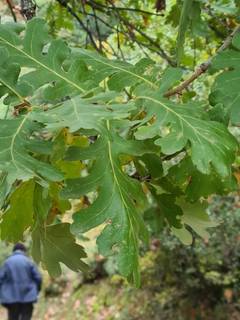
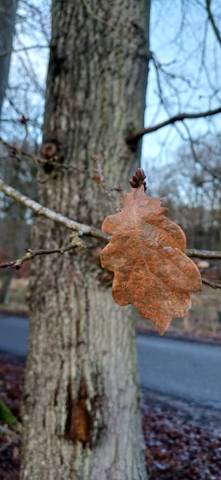
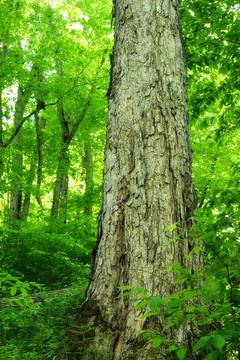
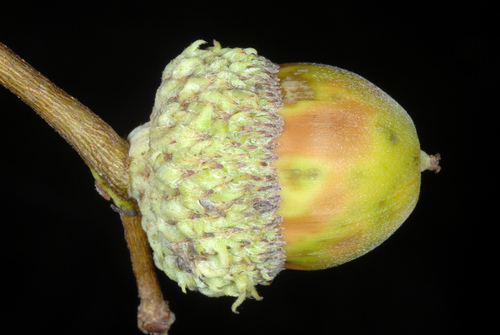
Quercus bicolor is a medium to large deciduous tree in the beech family (Fagaceae) growing 50-70 ft (15-21 m) tall and 50-60 ft (15-18 m) wide with a broad rounded crown. The epithet 'bicolor' references the two-toned leaves — dark glossy green above and silvery-white beneath with dense pubescence, creating a flashing effect when wind lifts the leaves. Bark is dark grey-brown, developing shaggy peeling plates on mature trunks and upper limbs — more exfoliating than most oaks. Leaves are obovate, 4-7 inches (10-18 cm) long, with 5-7 shallow rounded lobes (white oak group). Acorns are 0.75-1.25 inches (2-3 cm) long on a long peduncle (stalk) 1.5-4 inches (4-10 cm) — the long-stalked acorns are a key identification feature. A white oak group species — acorns mature in one season and are low in tannins. Native to bottomlands and wet lowlands in eastern North America. Tolerates wet soil, clay, compacted soil, and seasonal flooding — the species ranks among the more urban-tolerant oaks, transplanting more easily than Q. alba and tolerating wider soil conditions. Growth rate is moderate — 12-18 inches (30-45 cm) per year.
Native Range
Quercus bicolor is native to eastern North America from Quebec and Maine south to Georgia and west to Minnesota and Nebraska. The species occurs in bottomlands, floodplains, swamp margins, and wet lowland forests on poorly drained soils.Suggested Uses
Shade and specimen tree for large landscapes, particularly on wet or poorly drained sites where other oaks decline. Used as a street tree — the species tolerates urban conditions, compacted soil, and confined root zones better than most oaks. Suited to rain gardens — the species tolerates periodic flooding. Acorns support wildlife.How to Identify
Appearance
Size & Dimensions
Height50' - 70'
Width/Spread50' - 60'
Bloom Information
Yellowish-green catkins in April-May. Wind-pollinated. Acorns ripen in one season, maturing September-October on long stalks.
Detailed Descriptions
Flower Description
Yellowish-green catkins in April-May; wind-pollinated; acorns ripen in one season (white oak group), maturing September-October on long peduncles 1.5-4 inches (4-10 cm) long — the long-stalked acorns are a key identification featureFoliage Description
Two-toned: dark glossy green above, silvery-white beneath with dense pubescence; the contrast creates a flashing effect when wind lifts the leaves and the silvery undersides are exposed; the epithet 'bicolor' references this two-toned characterGrowing Conditions
Sun Requirements
Requires 6-10 hours of direct sunlight daily
• Full Sun: 6+ hours of direct sunlight
• Partial Shade: 3-6 hours of direct sunlight
• Full Shade: Less than 3 hours of direct sunlight
Care & Maintenance
Care Guide
Plant in full sun in moist to wet acidic to neutral soil at pH 5.0-7.0. Tolerates clay, seasonal flooding, and compacted soil. Space 40-50 ft (12-15 m) apart. Water during the first 3-5 years. The species is among the easier oaks to transplant — the fibrous root system (more fibrous than most oaks) handles root disturbance well.Pruning
Prune in late winter (dormant season). Remove dead and structurally weak branches. The broad rounded crown is self-maintaining.Pruning Schedule
Prune: January–March
late winter