Quercus, Genus, robur, Species, 'Concordia', Cultivar,
- Genus & species
- Cultivar
golden oak
Europe parentage (introduced c.1843; golden-leaved cultivar; slower/smaller than species; stalked acorns; alkaline tolerant)
Overview
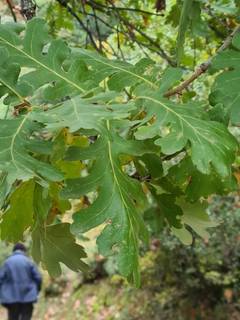
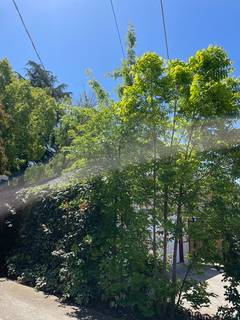
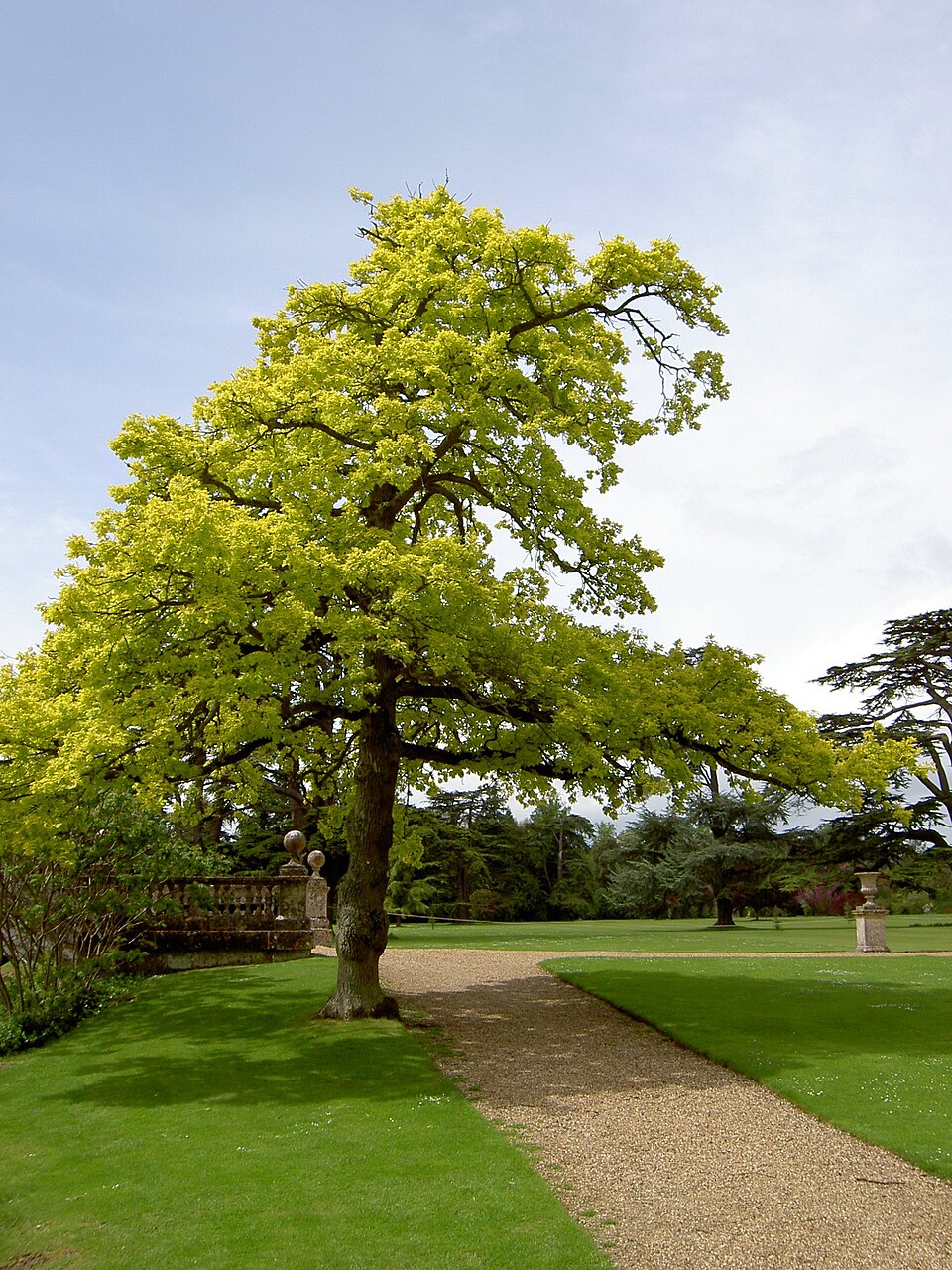
Quercus robur 'Concordia' is a deciduous tree reaching 30-45 feet (9-14 m) tall with a spread of 20-35 feet (6-10.7 m) and a broadly oval to rounded crown—smaller and slower-growing than the green-leaved species. The obovate, deeply lobed leaves 3-5 inches (8-13 cm) long with rounded lobes emerge bright golden-yellow in spring, hold yellow-green to chartreuse tones through summer, and turn yellowish-brown in autumn. The golden coloring is most vivid in spring on new growth. Acorns 0.8-1 inch (2-2.5 cm) in stalked cups on peduncles 1-3 inches (2.5-8 cm)—the stalked acorn is the English oak signature. Growth rate is slow to moderate—roughly two-thirds the vigor of the species. Hardy to zone 5. An old cultivar, introduced around 1843.
Native Range
Quercus robur is native to Europe, from Britain and Scandinavia south to the Mediterranean and east to the Urals and the Caucasus. 'Concordia' is a golden-leaved cultivar introduced circa 1843.Suggested Uses
Planted as a specimen at 20-30 foot (6-9 m) spacing. Golden-yellow spring foliage—fades to chartreuse by midsummer. Smaller and slower than the species. Stalked acorns. Alkaline tolerant. Leaf scorch possible in hot sun—afternoon shade in hot climates. Not suitable for very hot climates or small gardens.How to Identify
Appearance
Size & Dimensions
Height30' - 45'
Width/Spread20' - 35'
Bloom Information
Inconspicuous catkins in spring. Acorns 0.8-1 inch (2-2.5 cm) in stalked cups on peduncles. The golden spring foliage is the primary seasonal feature.
Detailed Descriptions
Foliage Description
Bright golden-yellow emerging spring, fading to yellow-green to chartreuse summer; obovate deeply lobed 3-5 inches; rounded lobes; yellowish-brown autumnGrowing Conditions
Sun Requirements
Requires 5-10 hours of direct sunlight daily
• Full Sun: 6+ hours of direct sunlight
• Partial Shade: 3-6 hours of direct sunlight
• Full Shade: Less than 3 hours of direct sunlight
Care & Maintenance
Care Guide
Plant in full sun to light partial shade in moist, well-drained soil (pH 5.5-7.5). Hardy to zone 5. Full sun develops the most vivid golden color but leaves may scorch in hot sun—afternoon shade beneficial in hot climates. Slower growing than the species. Susceptible to powdery mildew.Pruning
Prune in late winter while dormant. The broadly oval crown develops naturally. Slower growth means less pruning needed than the species.Pruning Schedule
Prune: January–February
winter