Quercus, Genus, douglasii, Species,
- Genus & species
blue oak
Overview
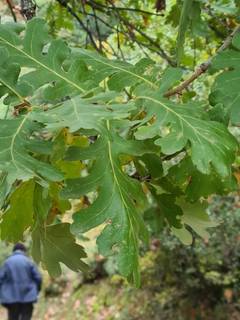
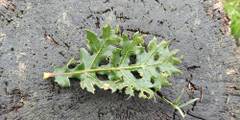
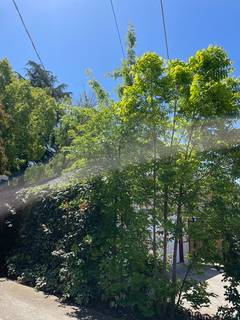
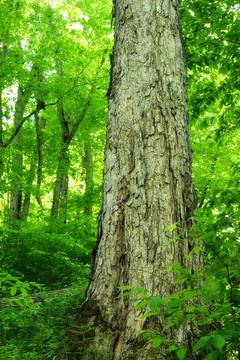
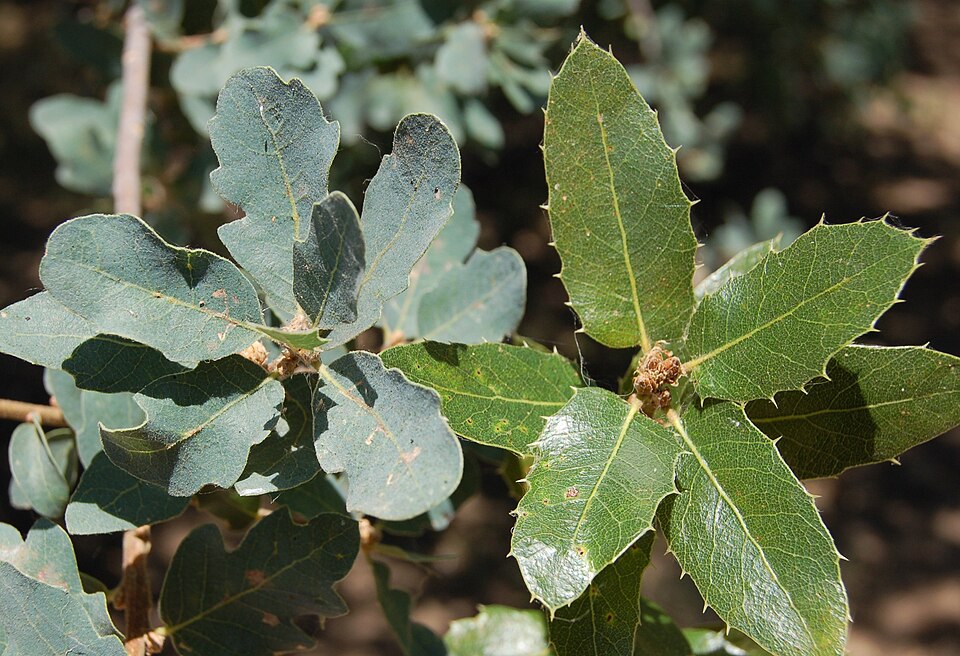
Quercus douglasii is a deciduous oak of the California foothills, reaching 20-60 feet (6-18 m) tall with a rounded, spreading crown and a trunk 1-3 feet (0.3-0.9 m) in diameter. The common name comes from the blue-green cast of its foliage. Leaves are oblong, 1-3 inches (2.5-7.6 cm) long, shallowly lobed or wavy-edged, blue-green above and paler below, dropping in late fall and during severe drought. The pale gray bark breaks into thin, checkered scales. Yellow-green male catkins hang in spring as the leaves expand, and acorns 0.75-1.25 inches (2-3 cm) long with a shallow cap ripen in a single season. The species grows slowly, often adding less than a foot a year, and trees can live 200 to 500 years. It is hardy in USDA zones 7-9 and is adapted to hot, dry summers and rocky, low-nutrient soils. Blue oak tolerates extended drought by shedding leaves, and old trees regenerate poorly in heavily grazed rangeland, a limitation for long-term stands.
Native Range
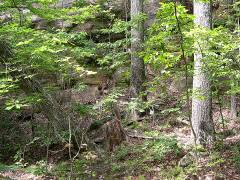
Quercus douglasii is endemic to California, ringing the Central Valley through the foothills of the Coast Ranges and the Sierra Nevada from about 500 to 3,000 feet (150 to 900 m). It forms open blue oak woodland and savanna on dry slopes and valleys.Suggested Uses
Grown as a shade and specimen tree in large dry-climate landscapes, parks, and California native and habitat plantings. The acorns feed deer, woodpeckers, and other wildlife, and blue oak woodland supports a wide range of birds and mammals.How to Identify
Appearance
Size & Dimensions
Height20' - 60'
Width/Spread20' - 50'
Colors
Bloom Information
Yellow-green male catkins hang from the branches in March and April as new leaves emerge. Wind carries the pollen to small female flowers at the leaf bases. Acorns develop over the summer and drop in fall of the same year.
Detailed Descriptions
Foliage Description
blue-greenGrowing Conditions
Sun Requirements
Requires 6-10 hours of direct sunlight daily
• Full Sun: 6+ hours of direct sunlight
• Partial Shade: 3-6 hours of direct sunlight
• Full Shade: Less than 3 hours of direct sunlight
Care & Maintenance
Care Guide
Grows in full sun on dry, rocky, well-drained slopes and tolerates poor soils and long summer drought. A soil pH of 6.0-7.5 suits the species, which needs no summer irrigation once established and can decline if watered through the dry season. Young trees grow slowly and develop a deep root before much top growth. Established trees draw on deep moisture and resist drought by dropping leaves early in hard years. Summer water near the trunk encourages root and crown rot. Acorns germinate with fall and winter rains.Pruning
Little pruning is needed beyond removing dead, diseased, or crossing branches in the dormant season. Pruning during summer drought or heat adds stress. The slow growth means form develops over many years.Pruning Schedule
Prune: December–January
winter