Quercus, Genus, wislizeni, Species,
- Genus & species
interior live oak
Interior California foothills and northern Baja California
Overview
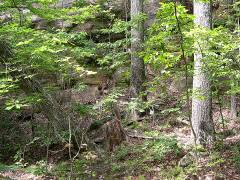
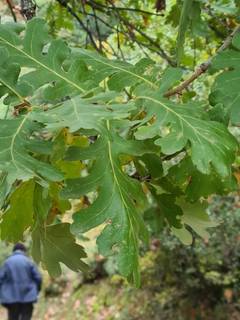
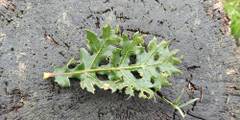
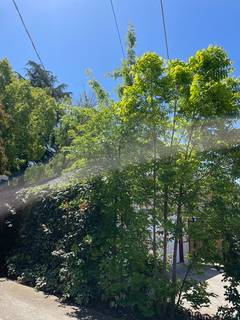
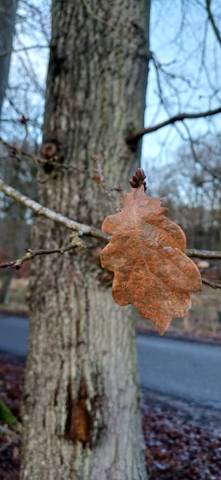
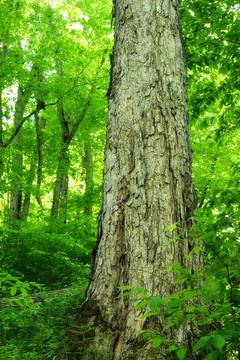
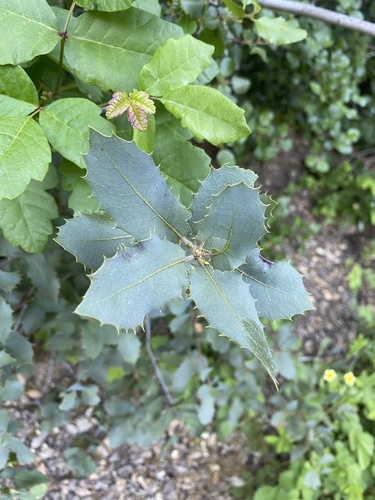
Quercus wislizeni is an evergreen tree or large shrub reaching 30-75 feet (9-23 m) tall and 30-50 feet (9-15 m) wide, with the largest specimens occasionally exceeding 90 feet (27 m); shrubby form is common in chaparral. Bark dark gray-brown, deeply furrowed and broken into small plates. Leaves alternate, oval to oblong, 1-2 inches (2.5-5 cm) long, leathery, dark glossy green above and paler dull green below; margins entire to spiny-toothed (holly-like in juvenile foliage). Foliage persists 2-3 years before drop, with most leaves replaced gradually rather than seasonally. Monoecious; male catkins yellow-green, 1-3 inches (2.5-7.5 cm) long, in March-May. Acorns 0.8-1.4 inches (2-3.5 cm) long in shallow scaly cups, ripening over two growing seasons (biennial); nuts mature in autumn of the second year. Growth rate 12-24 inches (30-60 cm) per year through age 40 in good sites. Lifespan 150-300 years. Susceptible to sudden oak death (Phytophthora ramorum) at the western edge of its range. Fire-adapted; resprouts from the root crown after canopy loss.
Native Range
Native to interior foothills of California and northern Baja California, from Tehama County south through the Sierra Nevada foothills and inner California Coast Ranges to the Peninsular Ranges. Found in oak woodland, mixed evergreen forest, and chaparral at 200-5,000 feet (60-1,500 m) elevation. Distribution is largely east of the immediate coast where Quercus agrifolia dominates.Suggested Uses
Used as a shade tree, screen, and habitat plant at 30-50 foot (9-15 m) spacing in zones 8-10 California gardens. Wildlife plantings include this species for acorn production; mast year crops reach 75-200 pounds (34-90 kg) per mature tree. Not commonly planted within turf or irrigated lawn areas due to summer-water sensitivity.How to Identify
Appearance
Size & Dimensions
Height30' - 75'
Width/Spread30' - 50'
Bloom Information
Catkins appear March through May, peaking in April at lower elevations and into early June above 3,000 feet (900 m). Total flowering 3-4 weeks per tree. Acorns require two growing seasons; nuts ripen September through November of the second year.
Detailed Descriptions
Foliage Description
Dark glossy green; new growth red-bronzeGrowing Conditions
Sun Requirements
Requires 6-12 hours of direct sunlight daily
• Full Sun: 6+ hours of direct sunlight
• Partial Shade: 3-6 hours of direct sunlight
• Full Shade: Less than 3 hours of direct sunlight
Care & Maintenance
Care Guide
Establishes from acorns sown directly in fall; transplanting bare-root or container stock above 1-gallon size results in poor survival due to taproot disruption. Mature trees tolerate 6-10 weeks without rain in zones 8-9 and require no supplemental irrigation after 3-5 establishment seasons. Summer water within the root zone increases the risk of phytophthora root rot. Sudden oak death affects coastal margin populations from Sonoma County to San Luis Obispo County. Oak twig girdler and goldspotted oak borer occur in stressed trees. Heart rot fungi colonize fire-damaged or wounded trunks but rarely kill the tree.Pruning
Remove dead and damaged branches between June and September when sap flow is reduced and pathogen activity is lowest. Winter pruning is generally restricted in coastal areas with sudden oak death pressure to limit pathogen spread. Structural pruning to a single trunk over the first 10-15 years prevents co-dominant leader splits later in life.Pruning Schedule
Prune: June–September
summer
Container Growing
Minimum container size: 25 gallons