Quercus, Genus, alba, Species,
- Genus & species
white oak
Native to eastern North America, from southern Quebec and Maine south to Florida and west to Minnesota and eastern Texas; the species occurs in upland mixed hardwood forests, dry ridges, and mesic slopes from sea level to approximately 5,500 ft (1,700 m); the species ranks among the more valued native hardwood trees in eastern North America — the wood is dense, strong, rot-resistant, and water-tight, which makes it the standard for whiskey and wine barrels (the source of the alternative common name 'stave oak'), furniture, flooring, and shipbuilding
Overview
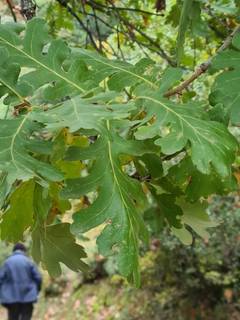
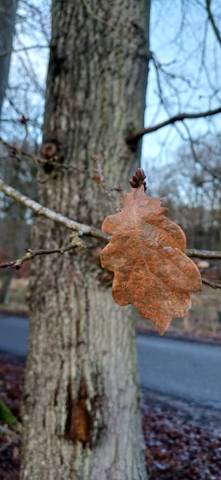
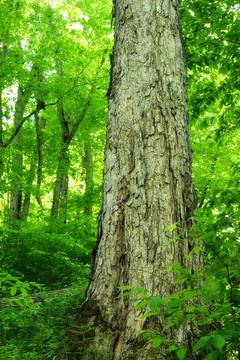
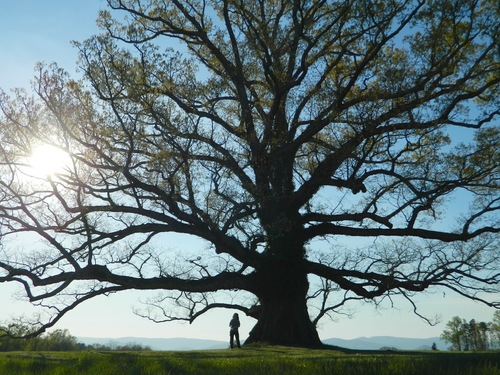
Quercus alba is a large long-lived deciduous tree in the beech family (Fagaceae) growing 50-80 ft (15-24 m) tall and 50-80 ft (15-24 m) wide with a broad rounded crown. The species ranks among the more valued native hardwood trees in eastern North America — the wood is dense, strong, rot-resistant, and water-tight, which makes it the standard for whiskey and wine barrels ('stave oak'), furniture, flooring, and shipbuilding. Leaves are alternate, obovate, 5-9 inches (13-23 cm) long, with 7-9 rounded lobes separated by deep rounded sinuses — the rounded (rather than pointed) lobe tips separate white oak group species from red oak group species. Leaves emerge pinkish in spring, mature to dark green, and turn deep wine-red to burgundy in autumn — the fall color persists for 3-4 weeks. Some leaves are marcescent (retained dead on the tree through winter), especially on lower branches and young trees. Bark is pale grey, developing shallow blocky plates with age — lighter in color than red oak bark. Acorns are 0.5-0.75 inch (12-18 mm) long, ovoid, with a warty cap covering one-quarter of the nut, maturing in one season (white oak group character). Acorns are low in tannins compared to red oak acorns — consumed by deer, turkeys, squirrels, and other wildlife. Growth rate is slow — 12-15 inches (30-38 cm) per year. Long-lived: specimens exceeding 500 years are documented. Susceptible to oak wilt (less than red oaks), gypsy moth defoliation, and bacterial leaf scorch.
Native Range
Quercus alba is native to eastern North America, from southern Quebec and Maine south to Florida and west to Minnesota and eastern Texas. The species occurs in upland mixed hardwood forests, dry ridges, and mesic slopes from sea level to approximately 5,500 ft (1,700 m).Suggested Uses
Planted as a long-term shade and specimen tree on large properties, parks, and institutional grounds. The slow growth and massive mature size (50-80 ft / 15-24 m in both height and spread) require long-term commitment and substantial space. The deep wine-red autumn color, pale grey bark, and wildlife value (acorn mast) are the primary ornamental and ecological features. The wood is commercially the most-used American hardwood for barrel-making, furniture, and flooring.How to Identify
Appearance
Size & Dimensions
Height50' - 80'
Width/Spread50' - 80'
Bloom Information
Yellowish-green catkins in April-May as leaves emerge. Wind-pollinated. Acorns develop and ripen in a single season (white oak group), maturing in September-October.
Detailed Descriptions
Flower Description
Yellowish-green catkins in April-May as leaves emerge; wind-pollinated; acorns develop and ripen in a single season (white oak group character), maturing in September-OctoberFoliage Description
Dark green obovate leaves 5-9 inches (13-23 cm) long with 7-9 rounded lobes separated by deep rounded sinuses; the rounded (rather than pointed bristle-tipped) lobe tips separate white oak group species from red oak group species; emerging leaves are pinkish in spring and turn deep wine-red to burgundy in autumnGrowing Conditions
Sun Requirements
Requires 6-10 hours of direct sunlight daily
• Full Sun: 6+ hours of direct sunlight
• Partial Shade: 3-6 hours of direct sunlight
• Full Shade: Less than 3 hours of direct sunlight
Care & Maintenance
Care Guide
Plant in full sun in deep moist well-drained acidic soil at pH 5.5-6.5. Space 40-50 ft (12-15 m) apart. The species is sensitive to soil compaction and grade changes — do not disturb the root zone. Water regularly during the first 3-5 years; once established, the species is moderately drought-tolerant. Transplant only balled-and-burlapped or container-grown stock — the deep taproot makes bare-root transplanting unreliable. Slow to establish — growth rate increases after 5-8 years. Not native to the Pacific Northwest but grows in zones 5-8 with adequate moisture.Pruning
Prune in late winter (dormant season only) to minimize oak wilt risk. Remove dead, damaged, and structurally weak branches. The broad rounded crown is self-maintaining once established. Do not top. Wound sealants on pruning cuts are not necessary — the sealants do not prevent disease.Pruning Schedule
Prune: January–March
late winter