Quercus, Genus, montana, Species,
- Genus & species
chestnut oak
Overview
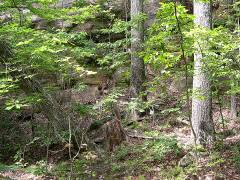
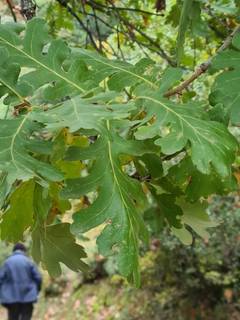
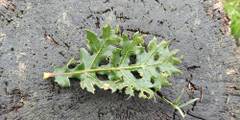
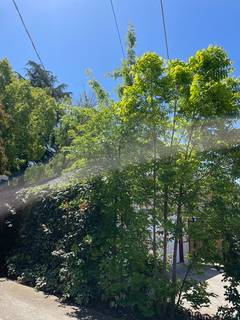
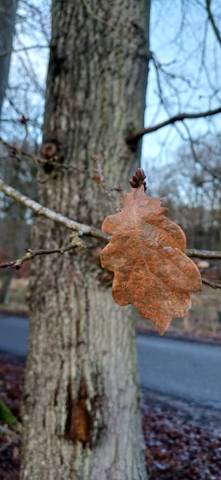
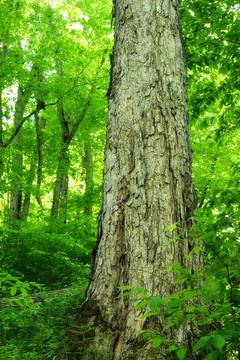
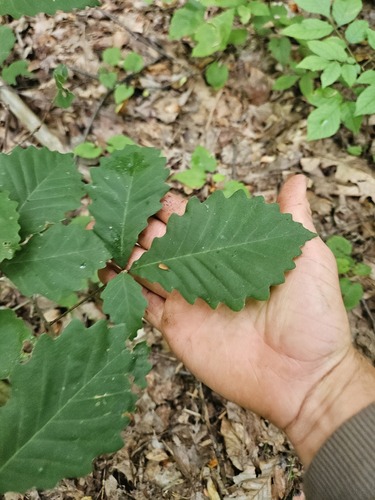
Quercus montana is a deciduous oak in the white oak group, typically 60-70 ft (18-22 m) tall and occasionally reaching 100 ft (30 m), with an open, rounded crown and dark, deeply furrowed bark. The alternate leaves are 4-9 in (10-23 cm) long, oval to oblong, with 10-16 pairs of shallow, rounded teeth, glossy yellow-green above and paler beneath. Yellow-green catkins appear with the new leaves in spring. The acorns are 1-1.5 in (2.5-3.8 cm) long, oval, and shiny brown, maturing in a single season and ripening in autumn, with a thin cap covering about one-third of the nut. The deeply ridged, blackish bark is thick and makes mature trunks easy to recognise. Foliage turns yellow-brown to russet in autumn. The species grows slowly and is adapted to dry, rocky ridges and slopes, where it tolerates poor, acidic soils, but it transplants poorly because of a deep taproot. It is native to the dry upland forests of the eastern United States.
Native Range
Native to the eastern United States, from Maine and southern Ontario south to Georgia, Mississippi, and Alabama, where it grows on dry, rocky ridges, slopes, and poor upland soils.Suggested Uses
Used as a shade and specimen tree in large landscapes, parks, and naturalised plantings on dry or rocky sites. The acorns feed deer, turkey, and other wildlife, and the timber is used for fencing, fuel, and general construction.How to Identify
Appearance
Size & Dimensions
Height60' - 70'
Width/Spread40' - 60'
Bloom Information
Yellow-green male catkins and small female flowers appear in spring as the leaves expand, usually April to May. Wind carries the pollen, and the flowers are inconspicuous. Acorns develop over the summer and ripen in a single autumn.
Detailed Descriptions
Foliage Description
yellow-greenGrowing Conditions
Sun Requirements
Requires 6-12 hours of direct sunlight daily
• Full Sun: 6+ hours of direct sunlight
• Partial Shade: 3-6 hours of direct sunlight
• Full Shade: Less than 3 hours of direct sunlight