Quercus, Genus, spp., Multiple species,
- Genus
- Multiple species
oaks
Northern Hemisphere — the Americas, Europe, Asia, and North Africa
Overview
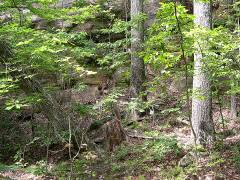
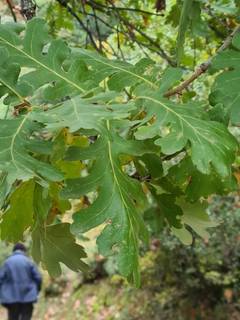
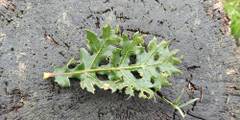
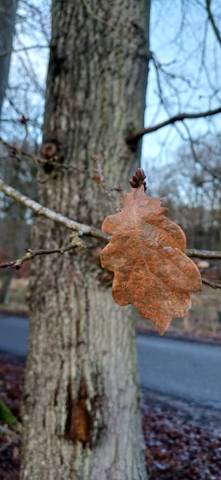
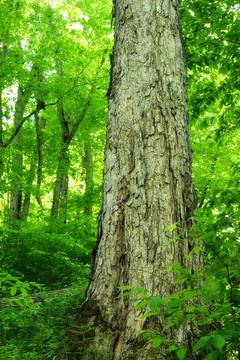
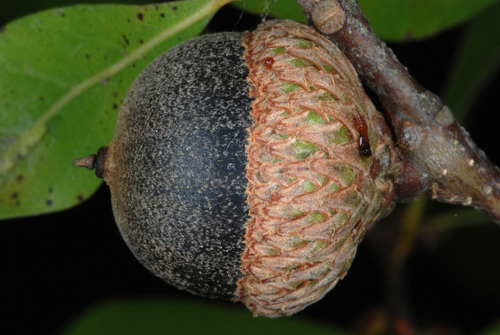
Quercus, the oaks, is a genus of about 500 species of trees and shrubs in the beech family, spread across the Northern Hemisphere. The genus includes both deciduous and evergreen species, ranging from low shrubs of about 10 feet (3 m) to forest trees over 100 feet (30 m) tall with broad, spreading crowns. Leaves vary widely, from deeply lobed to toothed or smooth-edged, and many are leathery; bark is usually furrowed or scaly. All oaks bear acorns, a nut seated in a scaly cap, which ripen in one or two seasons depending on the species. Spring flowers are wind-pollinated, with drooping male catkins and inconspicuous female flowers on the same tree. Oaks are long-lived, often persisting for one to several centuries, and support a large number of insects, birds, and mammals through their acorns and foliage. Growth is generally slow to moderate. Across the genus, species differ in leaf shape, acorn size, mature height, and whether they hold their leaves through winter, and many oaks hybridize where their ranges overlap.
Native Range
The genus is native across the Northern Hemisphere, in North and Central America, Europe, North Africa, and Asia, with a strong concentration of species in Mexico and the eastern United States. Oaks grow in temperate forests, woodlands, savannas, chaparral, and montane forests, from sea level to high elevations. Species range from cold-temperate to subtropical climates.Suggested Uses
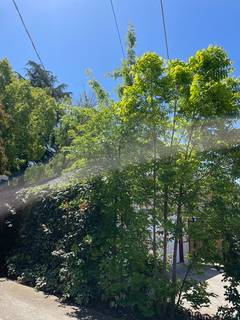
Oaks are grown as shade, specimen, and street trees, and in woodlands and parks, with spacing set by the mature spread of the species, often 25-50 feet (7.5-15 m). Smaller and shrubby species are used in hedgerows, screens, and naturalized plantings. Across the genus they are grown for wildlife habitat and long life rather than for quick effect.How to Identify
Appearance
Size & Dimensions
Height10' - 100'
Width/Spread10' - 80'
Colors
Foliage Colors
Bloom Information
Across the genus, oaks flower in spring as the new leaves expand, generally March to May in temperate regions. Greenish-yellow male catkins hang in clusters and shed wind-borne pollen, while the tiny female flowers are easily overlooked. The flowers make no showy display, and acorns develop over the following one to two seasons.
Detailed Descriptions
Foliage Description
greenGrowing Conditions
Sun Requirements
Requires 6-8 hours of direct sunlight daily
• Full Sun: 6+ hours of direct sunlight
• Partial Shade: 3-6 hours of direct sunlight
• Full Shade: Less than 3 hours of direct sunlight
Care & Maintenance
Care Guide
Most oaks grow in full sun in deep, well-drained soil and, once established, tolerate drought through deep root systems. Because oaks form a taproot when young, they are planted small and are difficult to move once mature. Across the genus they need little watering after establishment, and frequent summer irrigation near the trunk can promote root disease in drought-adapted species. Oaks host gall wasps, leaf-mining and defoliating caterpillars, and borers, most causing little lasting harm, along with regional diseases such as oak wilt and powdery mildew. Soil compaction or grade changes over the roots damage mature trees. Established oaks need little routine care beyond removal of dead wood.Pruning
Oaks are pruned in the dormant season, late fall through winter, to limit sap loss and reduce the spread of diseases active in the growing season. Young trees are trained to a single leader with well-spaced scaffold branches. Mature oaks need only the removal of dead, broken, or crossing limbs, since large wounds heal slowly.Pruning Schedule
Prune: December–January
winter