Quercus, Genus, myrtifolia, Species,
- Genus & species
myrtle oak
Overview
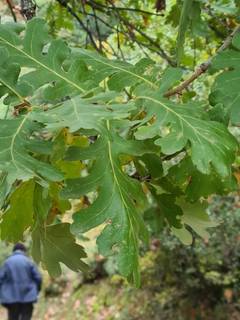
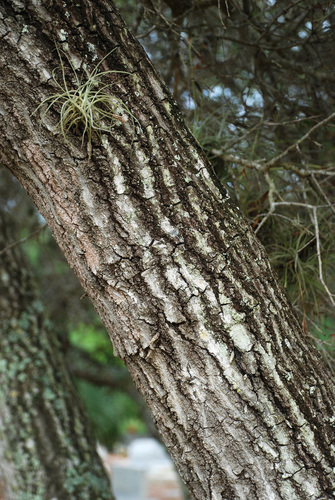
Quercus myrtifolia is an evergreen shrub or small tree reaching 10-20 feet (3-6 m), occasionally 40 feet (12 m) in sheltered sites, with a dense rounded crown and crooked branches. It often forms thickets through root sprouting, creating colonies several feet wide. The leaves are leathery and obovate, 1-2 inches (2.5-5 cm) long, with smooth margins that curl slightly downward; the upper surface is glossy dark green and the underside is paler with rusty hairs along the midrib when young. New growth emerges reddish before turning green. As a member of the red oak group, it produces acorns that take two seasons to ripen: the nut is rounded, 0.4-0.6 inch (10-15 mm) long, seated in a shallow saucer-shaped cup covering one-third of the nut. Male catkins hang in clusters 1-2 inches (2.5-5 cm) long in spring. The bark is dark gray and shallowly furrowed. Q. myrtifolia grows in deep sandy soils of coastal scrub and sandhills, where its spreading root system stabilizes loose substrate. In cultivation it tolerates salt spray and drought once established, though it grows slowly and can be hard to transplant from the wild because of its deep root system. Its small stature limits its use as a shade tree.
Native Range
Quercus myrtifolia is native to the southeastern coastal plain of the United States, from southern South Carolina south through Florida and west to southern Mississippi. It occurs in sand pine scrub, oak scrub, and sandhill communities near the coast.Suggested Uses
Q. myrtifolia is planted in coastal and sandy-soil landscapes as an informal screen, windbreak, or thicket for erosion control on dunes and slopes. Its acorns and cover support jays, squirrels, and other wildlife. The dense low canopy suits naturalistic and native-plant gardens rather than formal settings.How to Identify
Appearance
Size & Dimensions
Height10' - 20'
Width/Spread10' - 15'
Bloom Information
Wind-pollinated flowers appear in spring, typically March to April, as the new leaves expand. Male flowers form slender yellow-green catkins 1-2 inches (2.5-5 cm) long, while the inconspicuous female flowers sit singly or in pairs in the leaf axils. Acorns from the fertilized flowers mature in the autumn of the following year.
Detailed Descriptions
Foliage Description
Glossy dark greenGrowing Conditions
Sun Requirements
Requires 6-10 hours of direct sunlight daily
• Full Sun: 6+ hours of direct sunlight
• Partial Shade: 3-6 hours of direct sunlight
• Full Shade: Less than 3 hours of direct sunlight