Quercus, Genus, laevis, Species,
- Genus & species
American turkey oak
Southeastern United States coastal plain
Overview
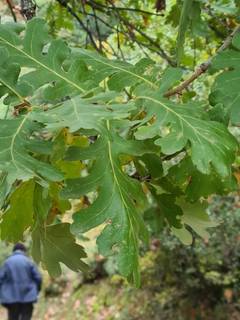
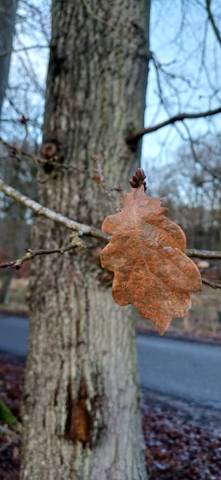
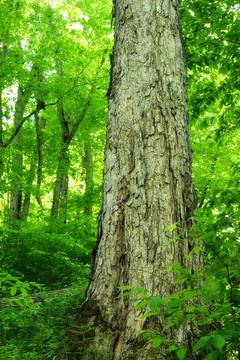
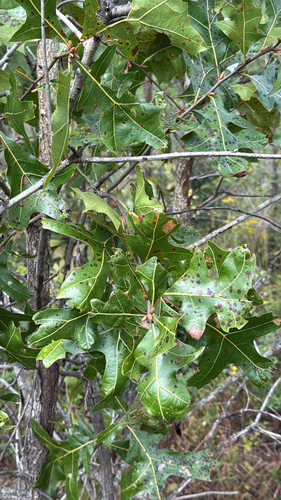
Quercus laevis, turkey oak, is a small to medium deciduous oak of deep, sandy soils in the southeastern United States, usually 20–50 feet (6–15 m) tall with an open, often crooked crown. It takes its name from its glossy leaves, which are deeply cut into three to five narrow lobes that spread like a turkey foot and are 3–8 inches (7.5–20 cm) long. The leaves often stand vertically, edge-on to the sun, which reduces water loss in its hot, dry habitat, and they turn red-brown before many drop in late fall. Yellow-green catkins appear with the new leaves in spring, and acorns about 1 inch (2.5 cm) long with a deep cap ripen the following year. The tree grows from a deep taproot that anchors it in shifting sand and lets it survive drought and frequent ground fires, often resprouting from the base. It is a dominant tree of the sandhill and longleaf-pine scrub from Virginia to Florida and west to Louisiana. Its irregular form and small size keep it out of formal use, and the abundant acorns and leaf litter can be messy. The bark is dark, rough, and blocky on older trunks.
Native Range
Quercus laevis is native to the southeastern United States coastal plain, from southeastern Virginia south through Florida and west to Louisiana. It grows on deep, well-drained sands of sandhills, ridges, and longleaf-pine scrub, in some of the driest, least fertile soils in the region.Suggested Uses
Used for wildlife habitat, sandhill and longleaf-pine restoration, and erosion control on dry, sandy sites. It suits naturalized and native plantings on poor sandy soils, though its irregular form, litter, and dislike of transplanting make it less suited to manicured landscapes.How to Identify
Appearance
Size & Dimensions
Height20' - 50'
Width/Spread20' - 35'
Bloom Information
Yellow-green catkins open in spring, around March and April, as the new leaves emerge. The tree is wind-pollinated, with separate male catkins and small female flowers. Acorns take about 18 months to ripen, maturing in the fall of the second year.
Detailed Descriptions
Foliage Description
Glossy green, turning red-brown in fallGrowing Conditions
Sun Requirements
Requires 6-12 hours of direct sunlight daily
• Full Sun: 6+ hours of direct sunlight
• Partial Shade: 3-6 hours of direct sunlight
• Full Shade: Less than 3 hours of direct sunlight