Quercus, Genus, rotundifolia, Species,
- Genus & species
sweet acorn oak
Iberian Peninsula and northwest Africa
Overview
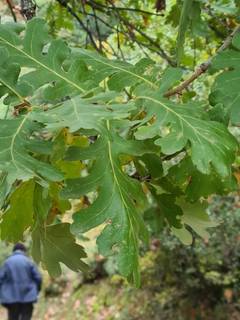
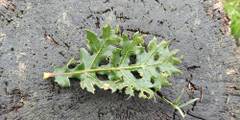
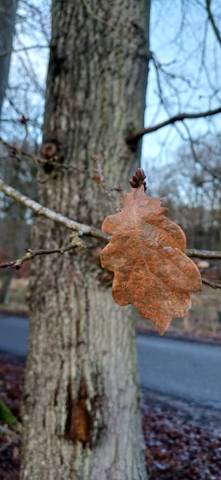
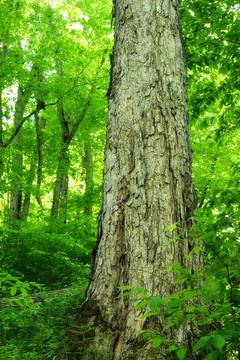
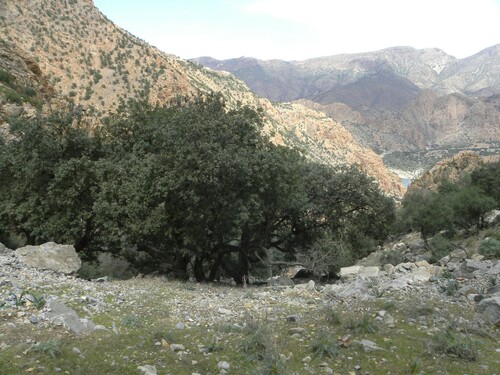
Quercus rotundifolia is an evergreen oak in the Fagaceae, often treated as a subspecies of Quercus ilex, growing 30-60 feet (9-18 m) tall with a dense, rounded crown, and sometimes kept as a large shrub. The leathery leaves are small, 1-3 inches (2.5-8 cm) long, oval to rounded, grey-green above and pale and felted beneath, with edges that are smooth or spiny depending on the branch. New growth and young trees often carry holly-like spiny leaves, while older, higher branches bear smooth-edged ones. Yellow-green catkins appear in spring, and acorns ripen in autumn in a scaly cup; the acorns of this species are often sweet and low in tannin, and have long been used as food and to fatten livestock. The tree grows slowly and is deeply drought-tolerant once established, but it casts dense shade and drops leaves and acorns that need clearing. Hardy in USDA zones 8-10, it grows in full sun in well-drained soil and tolerates heat, wind, and poor ground. Native to the Iberian Peninsula and northwest Africa, Quercus rotundifolia forms open woodland and the wood-pasture known as dehesa.
Native Range
Quercus rotundifolia is native to the western Mediterranean, mainly the Iberian Peninsula and northwest Africa. It forms evergreen woodland and the open wood-pasture known as dehesa in Spain and montado in Portugal.Suggested Uses
Grown as a shade, street, and parkland tree in hot, dry regions, as a clipped evergreen hedge or screen, and in dry woodland plantings. The dense shade and leaf and acorn litter suit large open sites rather than small gardens.How to Identify
Appearance
Size & Dimensions
Height30' - 60'
Width/Spread30' - 50'
Bloom Information
Yellow-green male catkins hang from the branches in spring, typically April to May, releasing pollen on the wind. The small female flowers are easy to overlook. Acorns develop through summer and ripen in autumn.
Detailed Descriptions
Foliage Description
grey-green above, pale beneathGrowing Conditions
Sun Requirements
Requires 6-12 hours of direct sunlight daily
• Full Sun: 6+ hours of direct sunlight
• Partial Shade: 3-6 hours of direct sunlight
• Full Shade: Less than 3 hours of direct sunlight
Care & Maintenance
Care Guide
Quercus rotundifolia grows in full sun and tolerates poor, rocky, alkaline, and dry soils with a pH of 6.0-8.0. Established trees are deeply drought-tolerant and need no watering in Mediterranean climates, though young trees grow faster with occasional deep watering. It tolerates heat, wind, and coastal exposure but is damaged by hard, prolonged freezes. Growth is slow, so it takes many years to reach full size. It needs little care once established and rarely needs fertilizer.Pruning
Prune in late winter or early spring to remove dead or crossing branches and to shape young trees. It tolerates clipping and can be grown as a tall hedge or screen. Heavy pruning can be spread over several years on older trees.Pruning Schedule
Prune: February
winter