Quercus, Genus, petraea, Species,
- Genus & species
sessile oak
Overview
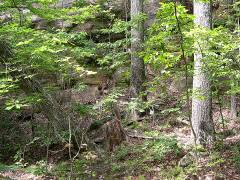
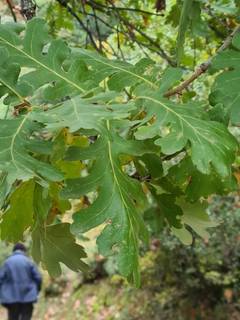
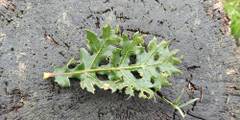
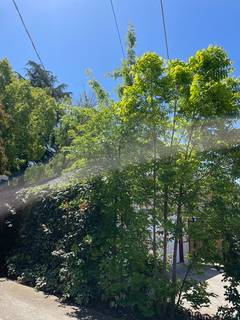
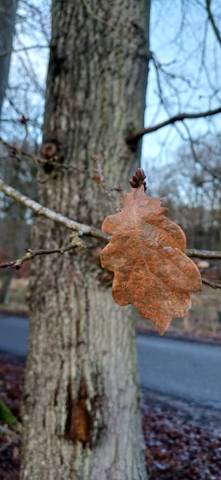
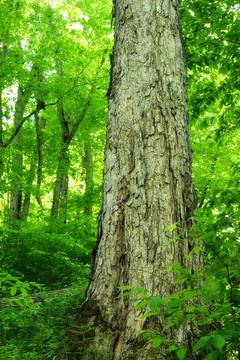
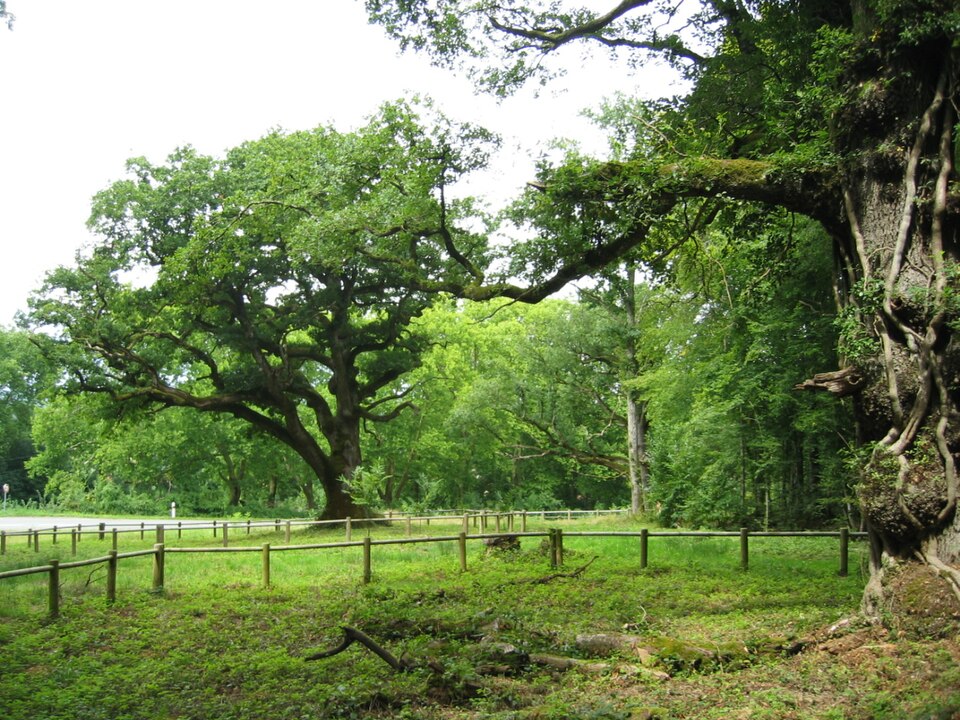
Quercus petraea is a large deciduous tree of the beech family, reaching 65-130 feet (20-40 m) tall with a broad, domed crown and a straight trunk up to 5 feet (1.5 m) in diameter. The leaves are 3-5 inches (8-12 cm) long, with five to eight pairs of rounded lobes, tapering to a wedge-shaped base and held on slender stalks 0.4-1 inch (1-2.5 cm) long. Yellow-green catkins of male flowers hang in late spring as the leaves expand, and the acorns ripen in their first autumn, sitting directly on the twig with little or no stalk. The bark is grey and smooth on young trees, becoming grey-brown and fissured with age. It grows on hills and well-drained, often acidic soils, frequently on higher and poorer ground than Quercus robur. Native across most of Europe and into Anatolia and the Caucasus, it forms upland oak woodland over much of western Europe. It hybridizes readily with Q. robur where the two meet. Growth is slow, and young trees are browsed by deer and set back by late frosts.
Native Range
Quercus petraea is native across Europe, from Ireland and Iberia east to the Caucasus and Anatolia, and north into Scandinavia. It dominates upland and western oak woods in the British Isles.Suggested Uses
Grown as a parkland, woodland, and large specimen tree, and planted for timber and habitat in upland forestry. The acorns and foliage support deer, jays, and many insects, and the timber is used for furniture and barrels.How to Identify
Appearance
Size & Dimensions
Height65' - 130'
Width/Spread50' - 80'
Bloom Information
Pendulous yellow-green male catkins open in April and May as the new leaves unfold, with inconspicuous female flowers at the shoot tips. Wind carries the pollen, and fertilized flowers develop into stalkless acorns. The acorns ripen and fall in their first autumn.
Detailed Descriptions
Foliage Description
dark greenGrowing Conditions
Sun Requirements
Requires 6-12 hours of direct sunlight daily
• Full Sun: 6+ hours of direct sunlight
• Partial Shade: 3-6 hours of direct sunlight
• Full Shade: Less than 3 hours of direct sunlight
Care & Maintenance
Care Guide
Grows in full sun on deep, well-drained soils and tolerates acidic, sandy, and stony ground better than wet clay. A soil pH from 4.5 to 7.0 suits it, and it withstands exposure and drought once its deep roots are established. Young trees grow slowly and need ample space, as the crown spreads widely with age. It casts heavy shade and its roots draw moisture from a wide area, limiting underplanting. Acorn crops are irregular, with heavy mast years every few seasons. It is hardy to USDA zone 5.Pruning
Little pruning is needed beyond removing dead, crossing, or damaged branches. Any major pruning is carried out in late summer to reduce the risk of disease entry. The natural form develops without shaping.Pruning Schedule
summer