Quercus, Genus, cerris, Species,
- Genus & species
turkey oak
Southern and central Europe and Asia Minor
Overview
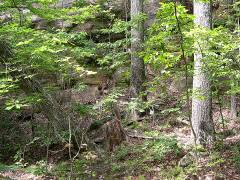
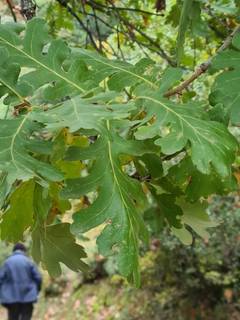
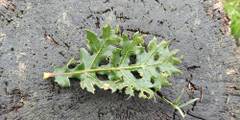
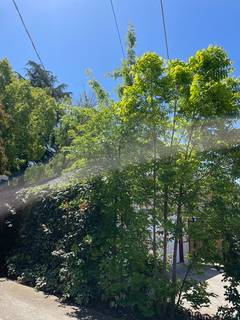
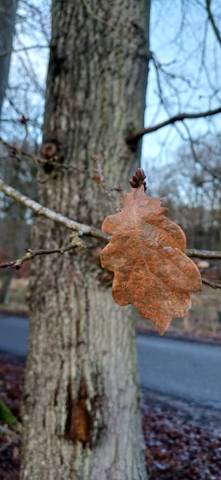
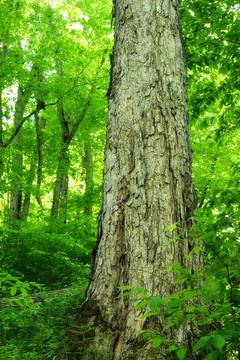
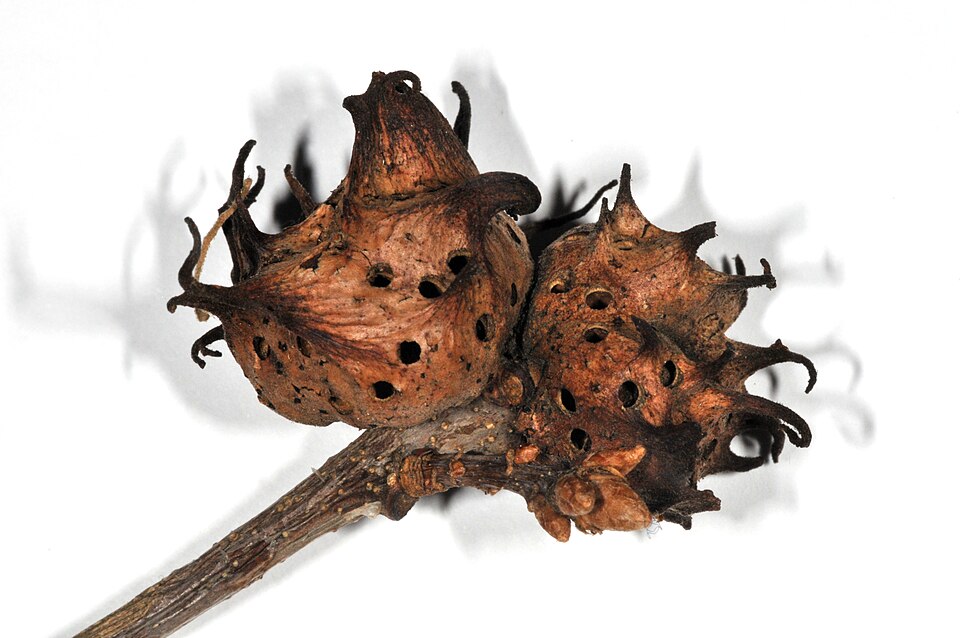
Quercus cerris is a large, fast-growing deciduous tree reaching 80-120 feet (25-37 m) tall with a broad, domed crown spreading 50-70 feet (15-21 m). The bark is grey-brown, deeply fissured into rough plates, often with orange tones in the cracks. Leaves are 3-5 inches (7-12 cm) long, oblong, and cut into 7-9 pairs of triangular, bristle-tipped lobes, dark green and rough above, greyish and downy beneath. The buds are surrounded by long, slender, whisker-like stipules, a feature that separates it from other oaks. Acorns are 0.8-1.5 inches (2-4 cm) long, set in cups covered in soft, spreading, mossy scales, and ripen in their second autumn. It grows quickly on a wide range of soils, including dry, sandy, and chalky ground, and tolerates wind and coastal exposure better than many oaks. The species seeds freely and has naturalised in parts of Britain and North America, where it can spread into woodland. It also hosts the gall wasp whose knopper galls deform the acorns of native oaks, which limits its use near Quercus robur. Autumn colour is muted, the leaves turning dull brown and often hanging late.
Native Range
Quercus cerris is native to southern and central Europe and Asia Minor, from France and the Balkans east to Turkey. It grows in mixed deciduous woodland and on dry hill slopes, often on poor or limy soils.Suggested Uses
Planted as a fast-growing shade and specimen tree in large gardens, parks, and shelterbelts, and used for timber and firewood. Its tolerance of poor, dry soils suits it to exposed and reclaimed sites where slower oaks struggle.How to Identify
Appearance
Size & Dimensions
Height80' - 120'
Width/Spread50' - 70'
Bloom Information
Like other oaks it flowers in spring as the leaves expand, with greenish-yellow male catkins hanging in clusters and tiny female flowers on the same tree. Wind carries the pollen, and no scent or nectar is produced. Acorns develop slowly and ripen in the second autumn after flowering.
Detailed Descriptions
Foliage Description
dark greenGrowing Conditions
Sun Requirements
Requires 6-12 hours of direct sunlight daily
• Full Sun: 6+ hours of direct sunlight
• Partial Shade: 3-6 hours of direct sunlight
• Full Shade: Less than 3 hours of direct sunlight