Pinus, Genus, rigida, Species,
- Genus & species
pitch pine
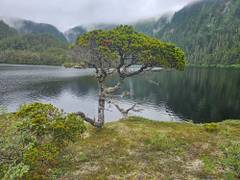
Eastern North America (Maine and southern Ontario south to Georgia and Alabama); sandy and rocky acidic soils of pine barrens, rocky ridges, and fire-prone sand plains
Overview
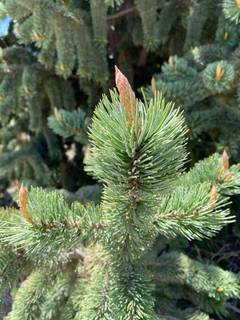
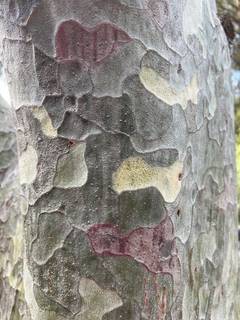
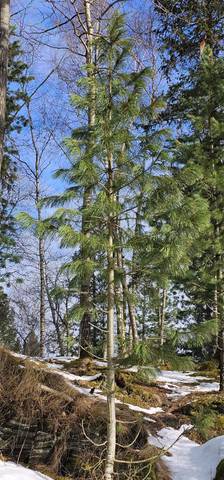
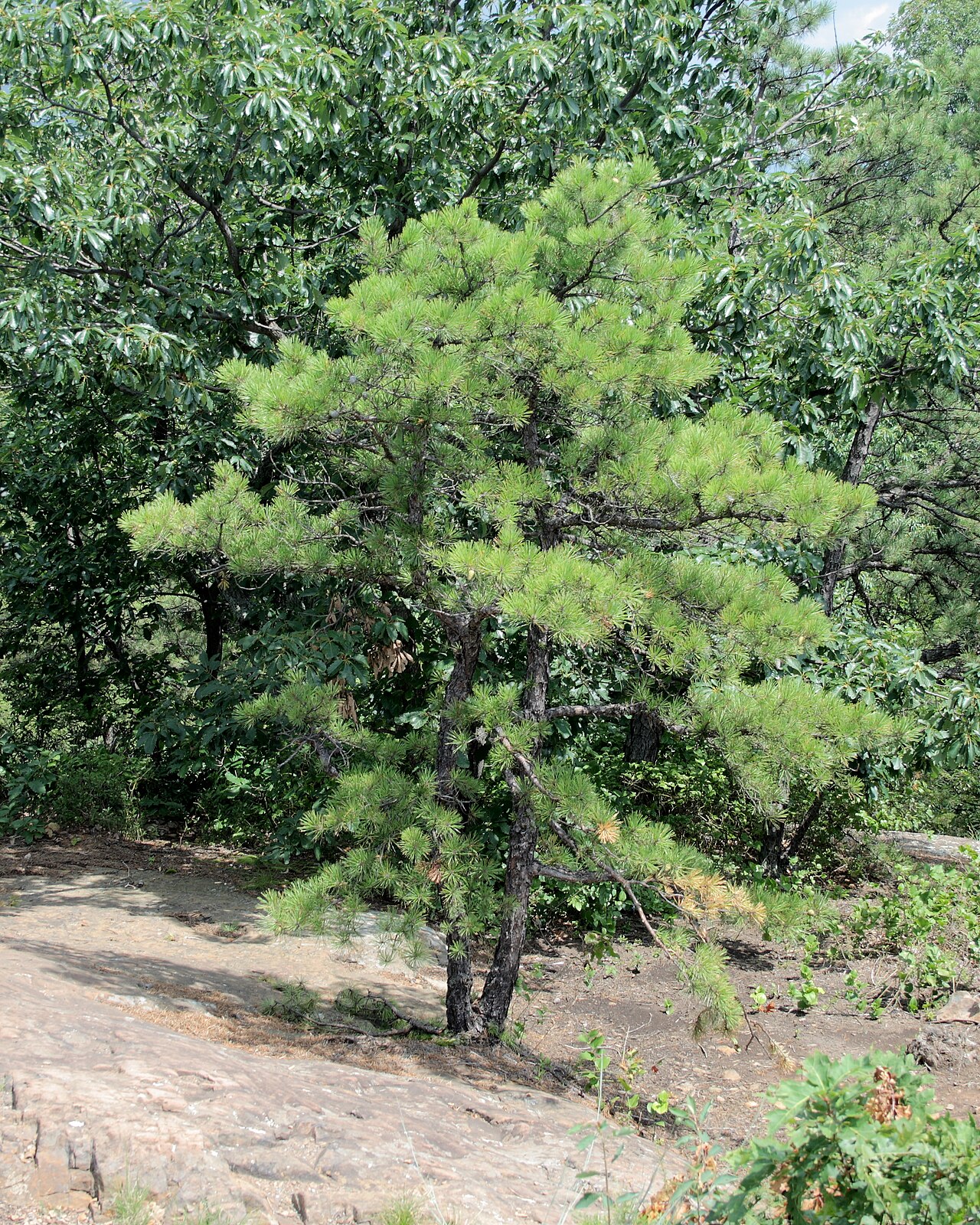
Pinus rigida is an evergreen conifer reaching 40–60 feet (12–18 m) tall and 20–35 feet (6–10.7 m) wide, with an irregular open crown often carrying persistent dead branches. The species is a three-needle pine; needles measure 3–5 inches (8–13 cm) long, are stiff and twisted (the specific epithet rigida means stiff), yellowish-green to dark green, and are held in fascicles of 3. Cones are ovoid, 2–3.5 inches (5–9 cm) long, with sharp prickles on the outer scales, and persist on the tree after maturity. The species is the only northeastern North American conifer that produces epicormic sprouts — adventitious shoots emerging directly from the trunk bark after fire or mechanical damage — which can give fire-scarred trunks a bristly sprouted appearance. Bark is thick, dark gray-brown, and deeply ridged. Growth rate is moderate. Hardy in USDA zones 4–8. The irregular form and persistent dead branches do not suit formal plantings, the species declines in rich or alkaline soils and in shade, and the sharp-prickled cones make fallen cones a handling nuisance.
Native Range
Pinus rigida is native to eastern North America, from Maine and southern Ontario south to Georgia and Alabama, on sandy, rocky, acidic soils including pine barrens, rocky ridges, and fire-prone sand plains.Suggested Uses
Planted in native landscapes, pine-barrens and sandplain restoration sites, and naturalistic large gardens at 15–25 foot (4.6–7.6 m) spacing in USDA zones 4–8. The species anchors mid-Atlantic and northeastern pine-barrens ecologies where other conifers cannot establish, and the epicormic trunk-sprouting supports regeneration after wildfire. The irregular open form is not suited to formal settings, rich garden soils reduce vigor compared with native sandy substrates, and urban roadside positions with alkaline runoff cause decline.How to Identify
Appearance
Size & Dimensions
Height40' - 60'
Width/Spread20' - 35'
Bloom Information
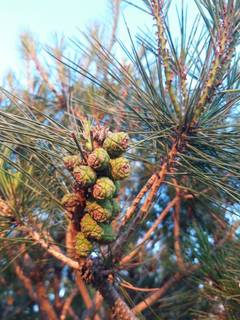
Produces male pollen strobili in April and May. Female cones mature in 2 years to 2–3.5 inches (5–9 cm) long, ovoid, with sharp prickles on the outer scales, and persist on the tree after maturity. Pollination events last 2 weeks.
Detailed Descriptions
Flower Description
Male pollen strobili April–May; female cones ovoid 2–3.5 inches (5–9 cm) with sharp prickles, persistent on treeFoliage Description
Yellowish-green to dark green; stiff twisted needles 3–5 inches (8–13 cm) long in fascicles of 3Growing Conditions
Sun Requirements
Requires 6-12 hours of direct sunlight daily
• Full Sun: 6+ hours of direct sunlight
• Partial Shade: 3-6 hours of direct sunlight
• Full Shade: Less than 3 hours of direct sunlight