Image 1 of 17
1 / 17
Plant Reference
Pinus, Genus, mugo, Species,
- Genus & species
mugo pine
Alps, Carpathians, Balkans, and Pyrenees; subalpine zone at 3,300-8,200 feet (1,000-2,500 m)
Overview
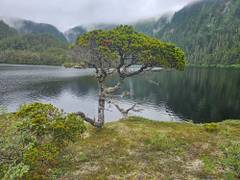
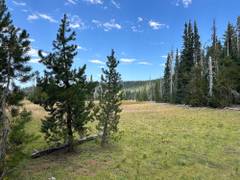
Pinus mugo is mugo pine (Swiss mountain pine), a mounding evergreen coniferous shrub or small tree growing 3-20 feet (0.9-6 m) tall and 5-20 feet (1.5-6 m) wide. Dark green stiff needles in fascicles of 2, 1-3 inches (2.5-7 cm). In Pinaceae. Mugo = Tyrolean dialect name. A 2-needle pine. EXTREMELY VARIABLE from seed — seedlings range from 3-20 feet (0.9-6 m), which is the primary planting risk. For predictable compact forms, use named cultivars or var. pumilio. Candle pruning in June controls size. Pine needle scale and European pine sawfly are the primary pests. Native to the Alps, Carpathians, Balkans, and Pyrenees at 3,300-8,200 feet (1,000-2,500 m). Tolerates extreme cold (zone 2), drought, wind, poor soil, and wide pH range (4.5-7.5). Non-toxic. Deer-resistant. Zones 2-8. Full sun. Growth rate is slow.
Native Range
Native to the Alps, Carpathians, Balkans, and Pyrenees. Found in the subalpine zone at 3,300-8,200 feet (1,000-2,500 m).Suggested Uses
Grown as a foundation plant, specimen, rock garden, and in containers of at least 15 gallons (57 L), spaced 5-20 feet (1.5-6 m) depending on form. Highly variable from seed — use named cultivars for predictable size. Non-toxic. Zones 2-8.How to Identify
Appearance
Size & Dimensions
Height3' - 20'
Width/Spread5' - 20'
Reproduction
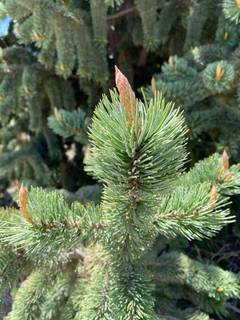
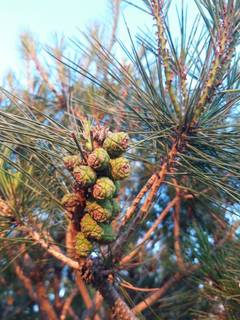
Monoecious. Yellow male strobili at base of new candles and small reddish-purple female cones at candle tips in May-June. Dark brown ovoid cones 1-2 inches (2.5-5 cm) mature in two years.
Detailed Descriptions
Foliage Description
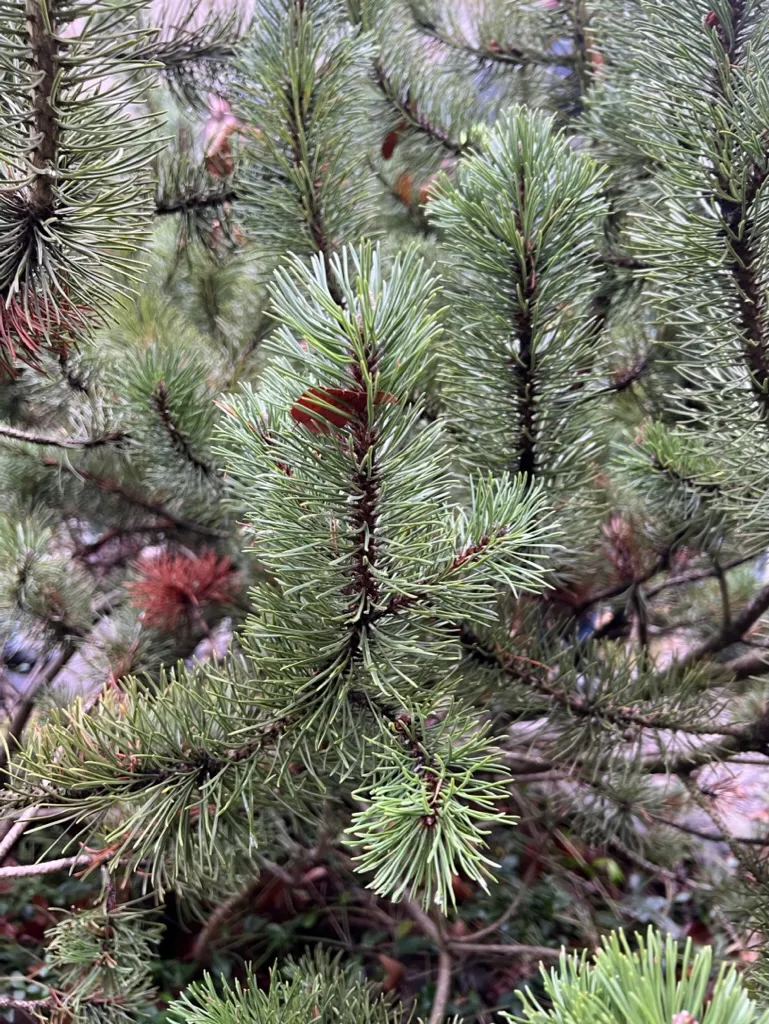
Dark green, needles in fascicles of 2, 1-3 inches (2.5-7 cm), stiff, slightly curved; densely packed on ascending branches forming a rounded to broadly spreading moundGrowing Conditions
Sun Requirements
Requires 6-12 hours of direct sunlight daily
• Full Sun: 6+ hours of direct sunlight
• Partial Shade: 3-6 hours of direct sunlight
• Full Shade: Less than 3 hours of direct sunlight
Care & Maintenance
Care Guide
Full sun (6-12 hours). Well-drained soil pH 4.5-7.5. Drought-tolerant. Candle prune in June (pinch new candles by half) to control size — critical for species seedlings which are highly variable. Pine needle scale and European pine sawfly are the primary pests. Non-toxic. Deer-resistant. Zones 2-8.Pruning
Candle prune in June — pinch or cut new candles (elongating shoots) by one-third to one-half before needles fully expand. This controls size and increases density. Do not cut into old wood without needles. Essential for size management in seed-grown specimens.Pruning Schedule
Prune: June
summer
Container Growing
Suitable for container growing
Minimum container size: 15 gallons