Image 1 of 18
1 / 18
Plant Reference
Pinus, Genus, sylvestris, Species,
- Genus & species
scots pine
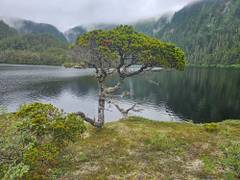
Scotland east across Eurasia to the Sea of Okhotsk; sea level to 7,900 feet (2,400 m) — a wider natural range than any other pine
Overview
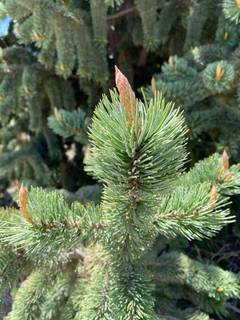
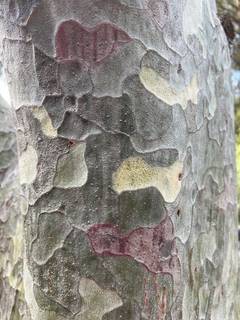
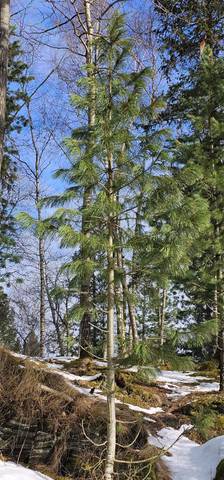
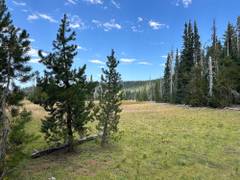
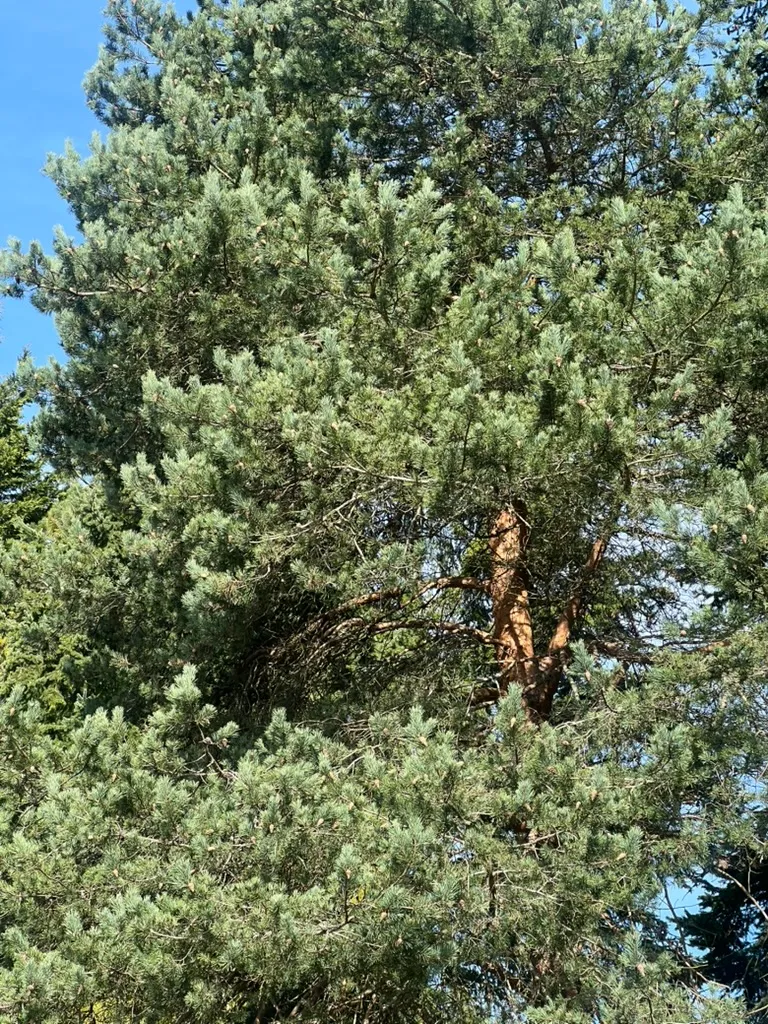
Pinus sylvestris is an upright coniferous evergreen tree growing 40-60 feet (12-18 m) tall and 20-35 feet (6-10.7 m) wide. Blue-green to gray-green stiff twisted needles are borne in fascicles of 2, 1.5-3 inches (4-7 cm). The specific epithet sylvestris means of the forest. The species has a wider natural range than any other pine, extending from Scotland east across Eurasia to the Sea of Okhotsk at elevations from sea level to 7,900 feet (2,400 m). P. sylvestris is a 2-needle pine in subgenus Pinus. Orange-red to salmon flaking bark on the upper trunk and branches is the primary identification feature and becomes most visible in winter against bare-branched companion species. Diplodia tip blight is the primary disease in North America. Pine wilt nematode is fatal and increasingly common in the central and eastern United States — infected trees cannot be saved and are removed promptly to limit spread. The species is intolerant of hot humid climates and does not perform well in the southeastern United States; this humidity intolerance is the primary climatic limitation. Tolerates extreme cold (USDA zone 2), drought, wind, and poor soil. Non-toxic. Deer-resistant.
Native Range
Native from Scotland east across Eurasia to the Sea of Okhotsk. Found from sea level to 7,900 feet (2,400 m). The species has a wider natural range than any other pine.Suggested Uses
Grown as a specimen tree, windbreak, or screen in cool dry climates on sites with room for 40-60 foot (12-18 m) height and 20-35 foot (6-10.7 m) spread, spaced 20-35 feet (6-10.7 m) apart. Not suited for hot humid regions. The orange-red upper bark gives year-round visual interest. Mature size exceeds typical container dimensions. Non-toxic. Hardy in zones 2-8.How to Identify
Appearance
Size & Dimensions
Height40' - 60'
Width/Spread20' - 35'
Colors
Foliage Colors
Fall Foliage Colors
Reproduction
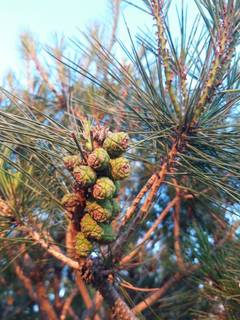
Monoecious. Yellow male strobili at base of new shoots and small reddish-purple female cones at branch tips in May-June. Gray-brown ovoid cones 1.5-3 inches (4-7 cm) mature in two years.
Detailed Descriptions
Foliage Description
blue-green to gray-green; needles in fascicles of 2, 1.5-3 inches (4-7 cm), stiff, slightly twisted; the short twisted 2-needle fascicles are a diagnostic featureGrowing Conditions
Sun Requirements
Requires 6-12 hours of direct sunlight daily
• Full Sun: 6+ hours of direct sunlight
• Partial Shade: 3-6 hours of direct sunlight
• Full Shade: Less than 3 hours of direct sunlight