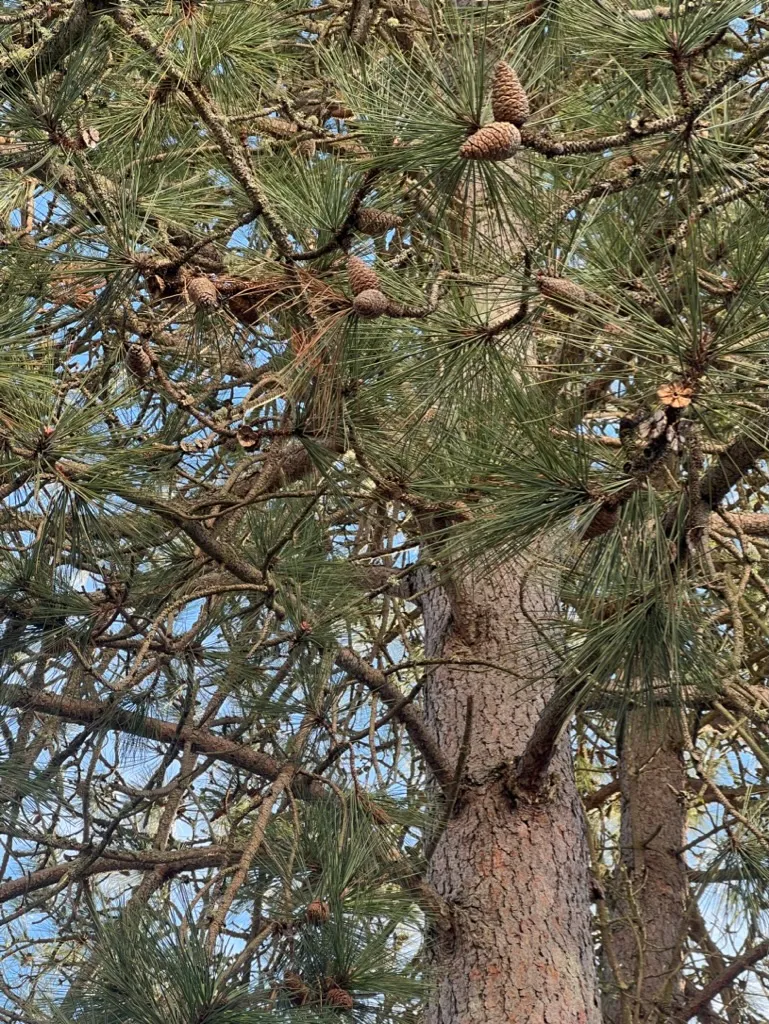
Pinus ponderosa, Ponderosa Pine
1 / 4
Coniferous Trees

Pinus ponderosa

Ponderosa Pine

Pinaceae

Western North America, British Columbia to Great Plains; 500–9,000 feet (150–2,700 m)

At a Glance

TypeTree
HabitUpright
FoliageEvergreen
Height60–100 feet (18–30 m)
Width25–35 feet (7.6–10.7 m)
Maturity30 years

Growing Zones

USDA Hardiness Zones

3 - 8
Zone 3
Zone 4
Zone 5
Zone 6
Zone 7
Zone 8
These zones indicate the coldest temperatures this plant can typically survive.
Frost Tolerancehardy

Key Features

Deer Resistant
Drought Tolerant
Fragrant (moderate)
Native to North America
Maintenancevery low

Overview

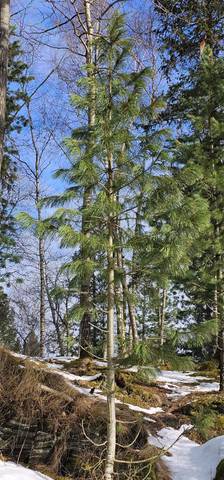
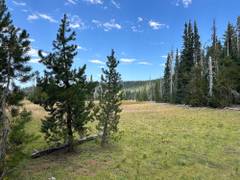
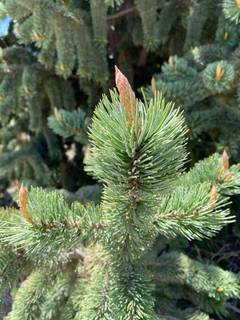
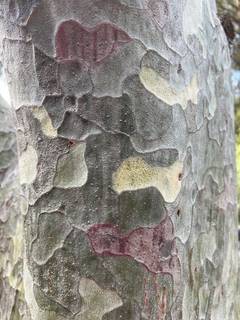
Pinus ponderosa is a large evergreen pine native to western North America, one of the most widely distributed pines on the continent. Trees reach 60–100 feet (18–30 m) tall and 25–35 feet (7.6–10.7 m) wide in cultivation; growth rate is 12–24 inches (30–60 cm) per year on good sites. The crown is broadly conical to pyramidal when young, becoming open and irregular with age, with long, slightly drooping branches. Needles are in bundles of three (occasionally two or five depending on variety), 5–10 inches (12.5–25 cm) long, stiff, yellow-green to dark green, clustered densely at branch tips. Bark on mature trees is orange-cinnamon to yellow-brown, exfoliating in large, flat, jigsaw-puzzle-like plates separated by dark fissures; young tree bark is dark gray-brown. Cones are ovoid, 3–6 inches (7.5–15 cm) long, prickly, light brown, falling intact. Bark emits a vanilla to butterscotch scent when warmed. The species is susceptible to bark beetle attack; stressed trees are most vulnerable. In Pacific Northwest gardens, the species typically performs best in drier east-side conditions rather than wet west-side sites.

Native Range

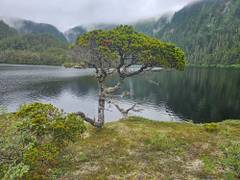
Pinus ponderosa is native across much of western North America, from British Columbia south through Washington, Oregon, and California, east through Idaho, Montana, Wyoming, Colorado, and into the Great Plains, at elevations of 500–9,000 feet (150–2,700 m). It is native to eastern Washington and Oregon in the Pacific Northwest.

Suggested Uses

Planted in large naturalistic landscapes, dryland gardens, parks, and restoration sites in east-side Pacific Northwest conditions, spaced 20–25 feet (6–7.6 m) from adjacent plants. The orange-cinnamon puzzle-bark on mature trees provides distinctive year-round interest. Eventual height of 60–100 feet (18–30 m) requires siting away from structures and power lines. Not suited to high-rainfall west-side Pacific Northwest lowland gardens.

How to Identify

Pinus ponderosa is identified by needles in bundles of three, 5–10 inches (12.5–25 cm) long, stiff, yellow-green to dark green, held in large tufts at branch tips. Mature bark is orange-cinnamon in large jigsaw-puzzle plates; young tree bark is dark gray. Cones are 3–6 inches (7.5–15 cm), prickly, ovoid. The vanilla to butterscotch bark scent on warm days is distinctive. Distinguished from P. jeffreyi by smaller cones and the vanilla scent rather than lemon-pineapple.

Appearance

Size & Dimensions

Height60' - 100'
Width/Spread25' - 35'

Reaches mature size in approximately 30 years

Colors

Flower Colors

yellow

Foliage Colors

yellow green
dark green

Fall Foliage Colors

no change

Bloom Information

Bloom Period

~6 weeks
J
F
M
A
M
J
J
A
S
O
N
D
SpringSummer
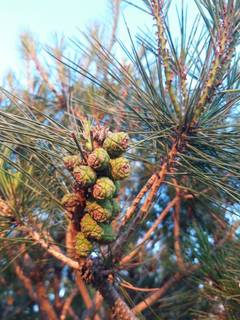
Male strobili are yellow, releasing pollen in April–June. Female cones are ovoid, 3–6 inches (7.5–15 cm) long, prickly, ripening from green to light brown in the second season and falling intact. Cone production begins at 15–25 years and is often heavy on mature trees.

Detailed Descriptions

Flower Description

yellow (male strobili)

Foliage Description

yellow-green to dark green

Growing Conditions

Sun Requirements

Full Sun
Requires 6-12 hours of direct sunlight daily
• Full Sun: 6+ hours of direct sunlight
• Partial Shade: 3-6 hours of direct sunlight
• Full Shade: Less than 3 hours of direct sunlight
Soil Requirements

pH Range5.0 - 7.0(Neutral)
357912
Soil Types
loamsandrocky
Drainage
well drained

Water & Climate

Water Needs

Very Low

Frost Tolerance

hardy

Time to Maturity

25–35 years

Drought Tolerance

Drought tolerant when established

Care & Maintenance

Care Guide

Water weekly during the first two growing seasons; established trees are drought tolerant and require no supplemental irrigation in dryland Pacific Northwest sites. Well-drained soil is essential; performs poorly on wet west-side Pacific Northwest sites where root disease and bark beetle pressure increase. Western pine beetle and mountain pine beetle attack water-stressed trees; maintaining tree vigor through proper siting is the primary defense. Dothistroma needle blight causes reddish banding and needle drop on young trees; less prevalent in drier conditions. This species is best suited to east-side Pacific Northwest conditions.

Pruning

No pruning is required. Dead branches can be removed at any time. Lower branches die naturally on mature trees as the crown lifts; removal is optional. The central leader and open crown develop naturally. Pruning into old wood is not productive as the species does not regenerate from bare wood.

Maintenance Level

very low

⚠️ Toxicity Warning

Non-toxic