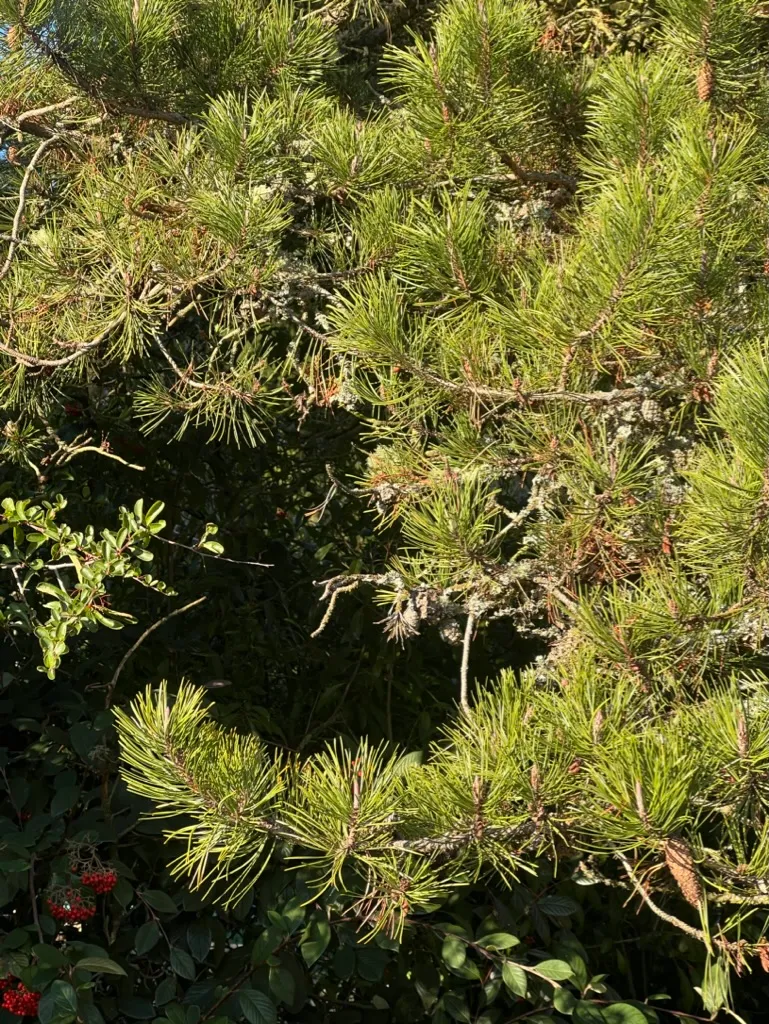
Pinus contorta var. latifolia latifolia, Lodgepole Pine
Coniferous Trees

Pinus contorta var. latifolia latifolia

Lodgepole Pine

Pinaceae

Rocky Mountains and interior ranges, Yukon to Colorado; 2,000–11,000 feet (600–3,350 m)

At a Glance

TypeTree
HabitUpright
FoliageEvergreen
Height40–80 feet (12–24 m)
Width15–25 feet (4.6–7.6 m)
Maturity25 years

Growing Zones

USDA Hardiness Zones

2 - 8
Zone 2
Zone 3
Zone 4
Zone 5
Zone 6
Zone 7
Zone 8
These zones indicate the coldest temperatures this plant can typically survive.
Frost Tolerancehardy

Key Features

Deer Resistant
Drought Tolerant
Native to North America
Maintenancevery low

Overview

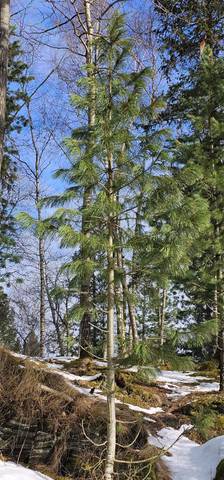
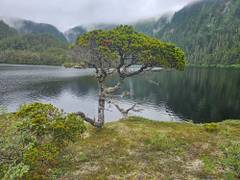
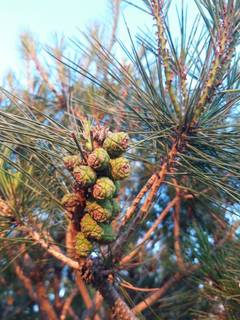
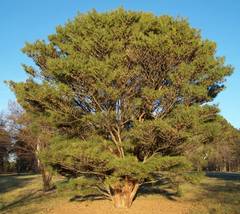
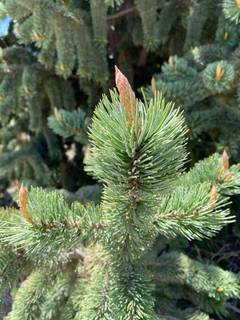
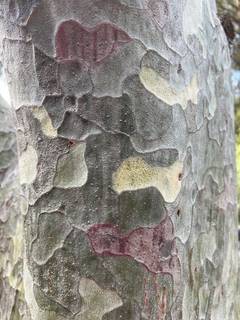
Pinus contorta var. latifolia is the inland variety of lodgepole pine, a slender, upright evergreen native to the Rocky Mountains and interior ranges of western North America. Trees reach 60–80 feet (18–24 m) tall and 15–25 feet (4.6–7.6 m) wide in their native range; in cultivation they typically reach 40–60 feet (12–18 m) tall. Growth rate is 12–24 inches (30–60 cm) per year under good conditions. The crown is narrow and conical, with a straight, slender trunk. Needles are in bundles of two, 1.5–3 inches (4–7.5 cm) long, twisted, yellow-green to dark green, densely clustered on branch tips. Bark is thin, gray-brown, and scaly. Cones are small, 1–2 inches (2.5–5 cm), asymmetrical, serotinous — remaining closed on the tree for years and requiring heat to open for seed release, an adaptation to fire-prone ecosystems. Susceptible to mountain pine beetle, Dothistroma needle blight, and western gall rust in its native range; disease pressure is lower in Pacific Northwest lowland gardens.

Native Range

Pinus contorta var. latifolia is native to the Rocky Mountains and interior ranges from the Yukon south through British Columbia, Alberta, Idaho, Montana, Wyoming, and Colorado, at elevations of 2,000–11,000 feet (600–3,350 m) in subalpine forests and mountain slopes.

Suggested Uses

Planted in naturalistic settings, screens, and windbreaks in larger landscapes, spaced 10–15 feet (3–4.6 m) apart. The narrow crown fits confined sites that cannot accommodate broader-crowned pines. The serotinous cones provide wildlife interest and ecological character in naturalistic plantings. Rapid growth relative to most pines provides screen height within 5–10 years.

How to Identify

Pinus contorta var. latifolia is identified by two needles per fascicle, 1.5–3 inches (4–7.5 cm) long, twisted, yellow-green, and by small asymmetrical serotinous cones 1–2 inches (2.5–5 cm) long that remain attached to the branches for years. Distinguished from P. contorta var. contorta (shore pine) by the taller, straighter trunk, narrower crown, and more eastern inland range; distinguished from P. sylvestris by the smaller cones and yellow-green (not blue-green) needles.

Appearance

Size & Dimensions

Height40' - 80'
Width/Spread15' - 25'

Reaches mature size in approximately 25 years

Colors

Flower Colors

yellow

Foliage Colors

yellow green
dark green

Fall Foliage Colors

no change

Bloom Information

Bloom Period

~3 weeks
J
F
M
A
M
J
J
A
S
O
N
D
SpringSummer
Male strobili are yellow, releasing pollen in May–June. Female cones are 1–2 inches (2.5–5 cm) long, asymmetrical, serotinous, remaining closed and attached to branches for 5–20 years. In the absence of fire, old serotinous cones accumulate on branches; heat from fire or direct sun can trigger opening and seed release.

Detailed Descriptions

Flower Description

yellow (male strobili)

Foliage Description

yellow-green to dark green

Growing Conditions

Sun Requirements

Full Sun
Requires 6-12 hours of direct sunlight daily
• Full Sun: 6+ hours of direct sunlight
• Partial Shade: 3-6 hours of direct sunlight
• Full Shade: Less than 3 hours of direct sunlight
Soil Requirements

pH Range5.0 - 7.0(Neutral)
357912
Soil Types
loamsandrockyclay
Drainage
well drained

Water & Climate

Water Needs

Low

Frost Tolerance

hardy

Time to Maturity

20–30 years

Drought Tolerance

Drought tolerant when established

Care & Maintenance

Care Guide

Water weekly during the first two growing seasons; established trees are drought tolerant and do not require supplemental irrigation in most climates. Tolerates a wide range of soil types including poor, rocky, and sandy soils; performs poorly in poorly drained or waterlogged conditions. Mountain pine beetle causes rapid mortality in stressed trees in native range; trees grown outside the beetle's range in lowland Pacific Northwest gardens face lower risk. Dothistroma needle blight causes red banding and needle drop; prevalent in wet spring conditions. The species performs best in open, sunny sites with good air circulation.

Pruning

No pruning is required. Dead branches can be removed at any time. The straight central leader develops without training. Lower branches die naturally as the crown closes on mature trees; removal is optional. Pruning into old wood is not productive, as P. contorta does not regenerate from leafless wood.

Maintenance Level

very low

⚠️ Toxicity Warning

Non-toxic