Pinus, Genus, lambertiana, Species,
- Genus & species
sugar pine
Western North America (southern Oregon through the Cascades, Klamath Mountains, Sierra Nevada, and Coast Ranges to northern Baja California; 3,000-10,000 ft / 900-3,000 m in mixed conifer forests); wild specimens exceed 200 ft (60 m) tall
Overview
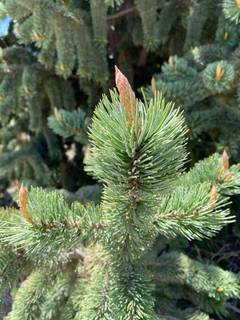
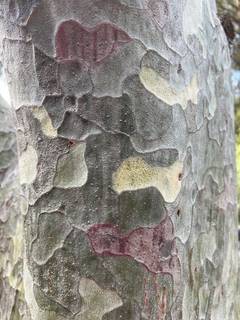
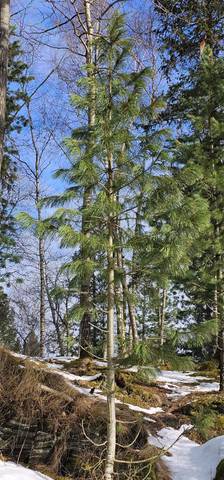
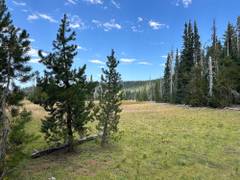
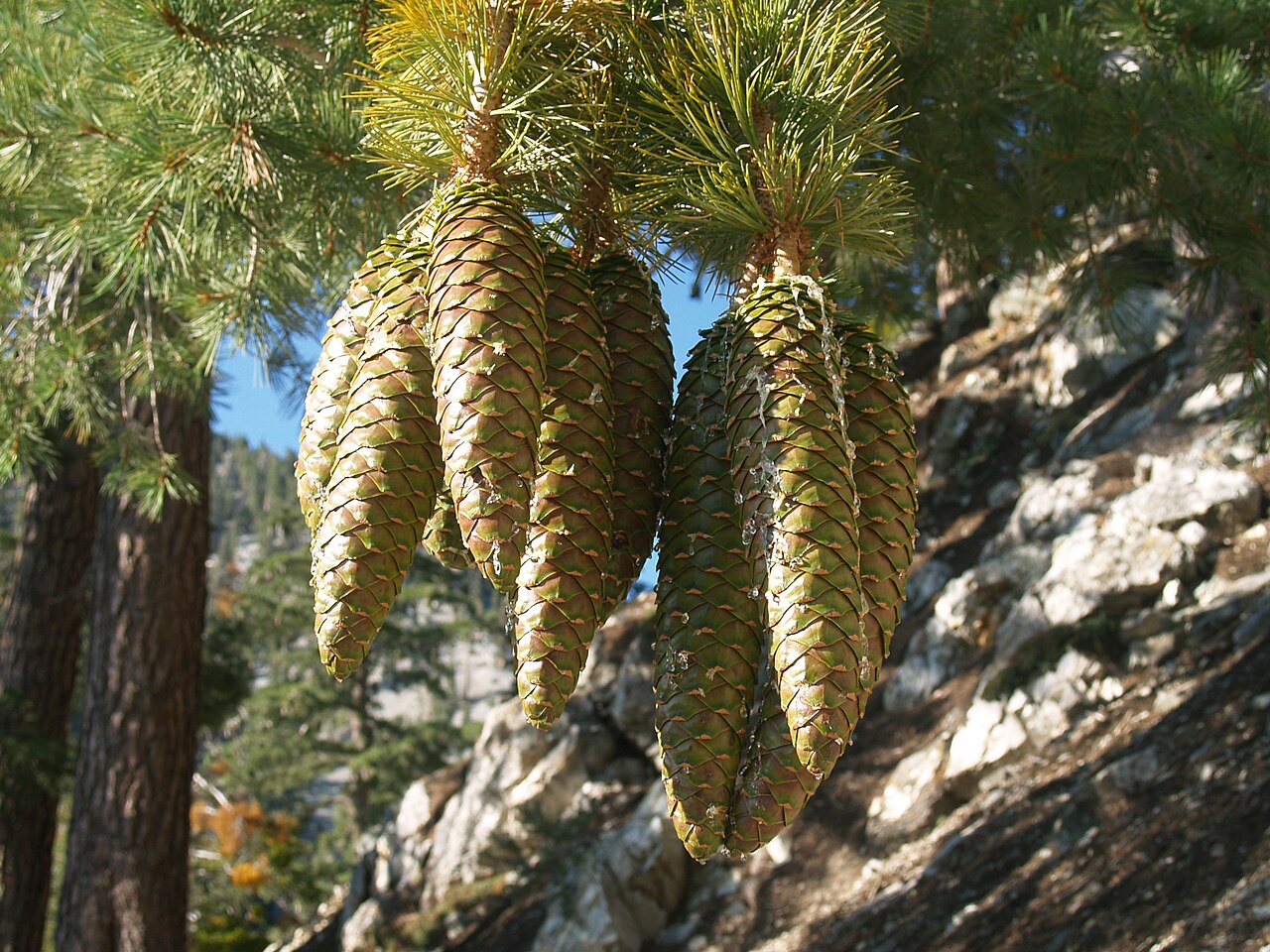
Pinus lambertiana is an evergreen conifer reaching 100-200 feet (30-60 m) tall in the wild with a spread of 30-50 feet (9-15 m) and a narrowly conical crown becoming flat-topped and irregularly spreading with great age. Wild specimens exceed 200 feet (60 m), making this the tallest pine species in the world. A five-needle pine in subgenus Strobus, needles are 3-4 inches (8-10 cm) long, blue-green with white stomatal lines, slightly twisted, in fascicles of 5. Cones are pendant, cylindrical, and 10-20 inches (25-50 cm) long — a length exceeded by no other pine species — with thin rounded scales that open widely at maturity. Bark on old trees is cinnamon-brown and develops deep furrows and broad ridges. The resin is sweet (the common name refers to the sugary resin; the species name honors Aylmer Bourke Lambert). Growth rate is slow to moderate. Hardy to USDA zone 5. Non-toxic. Highly susceptible to white pine blister rust (Cronartium ribicola), which has severely reduced wild populations since the early 20th century. The mature height and spread exceed the capacity of residential landscapes, so cultivated plantings are generally restricted to parks, estates, and rural settings.
Native Range
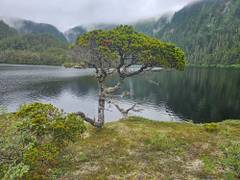
Pinus lambertiana is native to the mountains of western North America, from southern Oregon through the Cascades, Klamath Mountains, Sierra Nevada, and Coast Ranges to northern Baja California, at 3,000-10,000 feet (900-3,000 m) in mixed conifer forests.Suggested Uses
Used as a specimen in parks, estates, rural acreages, and arboreta in zones 5-8 at 30-50 foot (9-15 m) spacing. The tallest pine species with cone length exceeded by no other pine is the defining feature for collectors and botanical gardens. Sweet resin and cinnamon-brown furrowed bark add sensory and bark interest on mature trees. High susceptibility to white pine blister rust, combined with the proximity-risk posed by Ribes species (the alternate host), calls for careful site selection in blister-rust regions. The 100-200 foot (30-60 m) mature height and 30-50 foot (9-15 m) spread rule out residential lots, urban street use, and any site where adequate clear space is not available for a very large long-lived tree.How to Identify
Appearance
Size & Dimensions
Height100' - 200'
Width/Spread30' - 50'
Bloom Information
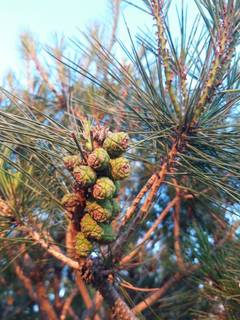
Male strobili shed pollen in May and June. Female cones mature over two growing seasons to pendant cylindrical 10-20 inches (25-50 cm) long — cone length exceeded by no other pine species — with thin rounded scales that open widely at maturity.
Detailed Descriptions
Flower Description
Male strobili shed pollen in May-June; female cones mature over 2 years to pendant cylindrical 10-20 inches (25-50 cm), with thin rounded scales that open widely at maturityFoliage Description
Blue-green with white stomatal lines; slightly twisted needles 3-4 inches (8-10 cm) long in fascicles of 5Growing Conditions
Sun Requirements
Requires 6-12 hours of direct sunlight daily
• Full Sun: 6+ hours of direct sunlight
• Partial Shade: 3-6 hours of direct sunlight
• Full Shade: Less than 3 hours of direct sunlight