Betula, Genus, albosinensis, Species,
- Genus & species
Chinese red birch
Central and western China (Sichuan, Hubei, Gansu, Shaanxi provinces)
Overview
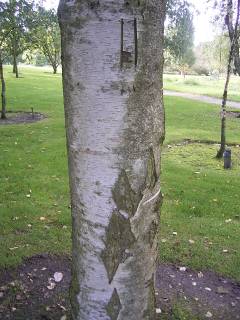
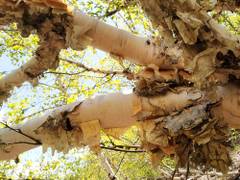
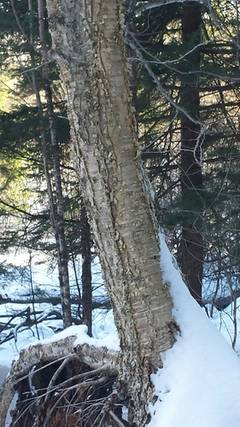
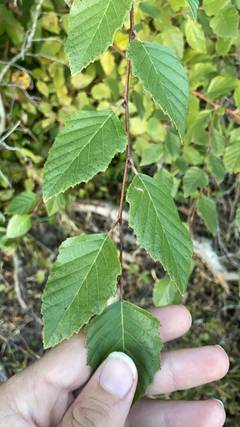
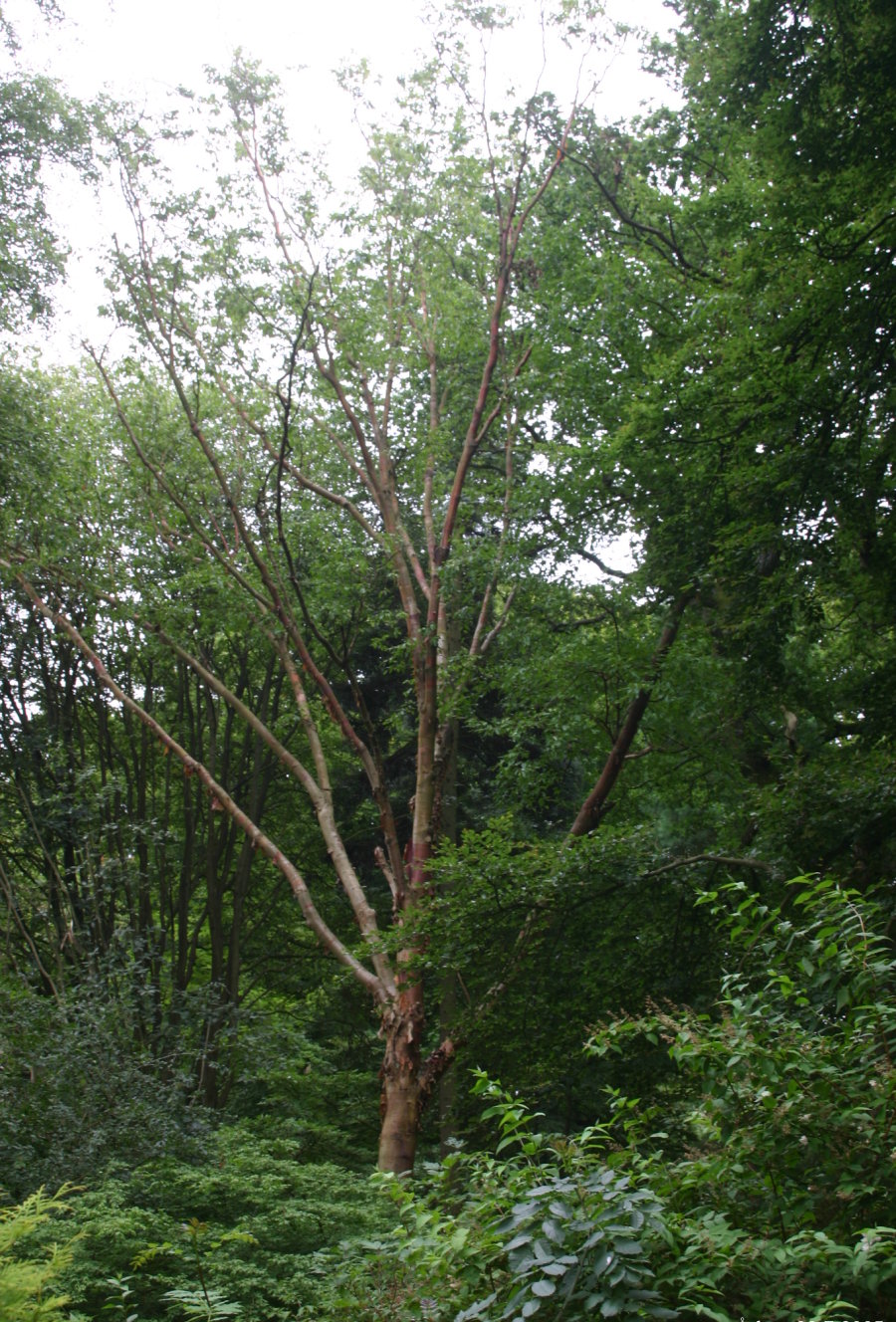
Betula albosinensis is a medium-sized deciduous tree reaching 40–60 feet (12–18 m) tall with a spread of 25–35 feet (7.5–10.5 m). Bark exfoliates in papery sheets to reveal an underlayer ranging from copper-orange to pinkish-brown to cinnamon-red, with a waxy bloom that becomes more prominent with age. Younger bark on the upper trunk and branches holds the most intense color; lower trunk bark becomes rougher and grayer over time. Leaves are ovate to triangular, 2–3 inches (5–8 cm) long, dark green, with doubly serrate margins and 10–14 pairs of lateral veins. Male catkins 2–3 inches (5–8 cm) long hang in clusters of 1–3 in March–April; smaller female catkins are upright on the same tree. Fall foliage turns yellow. Growth rate is moderate at 12–18 inches (30–45 cm) per year. The species tolerates summer temperatures up to 95°F (35°C) with adequate moisture, performing in zone 7 where B. pendula and B. papyrifera decline. Bronze birch borer (Agrilus anxius) is the principal mortality threat in North American plantings; drought-stressed trees are at much higher risk than well-watered specimens. Multi-stemmed specimens display the bark across a wider area. Expected lifespan in cultivation is 40–60 years, shorter than in the native high-elevation range.
Native Range
Betula albosinensis is native to central and western China, including Sichuan, Hubei, Gansu, and Shaanxi provinces. It grows in mountain forests and forest margins at elevations of 5,000–10,000 feet (1,500–3,000 m). Introduced to Western cultivation by Ernest Henry Wilson in 1901.Suggested Uses
Planted as a specimen tree, in groves of 3–5, or along paths where the bark is visible at close range. Multi-stemmed forms display the exfoliating bark across a wider area. Positioned against dark backgrounds (evergreen hedges, buildings), the copper-toned bark reads from 20–40 feet (6–12 m) away. Mature trees require a footprint of 25–35 feet (7.5–10.5 m) for the spread and are unsuitable for small residential lots or containers.How to Identify
Appearance
Size & Dimensions
Height40' - 60'
Width/Spread25' - 35'
Bloom Information
Male catkins 2–3 inches (5–8 cm) long emerge in March–April, pendant in clusters of 1–3. Female catkins are smaller, upright, on the same tree. Catkins are wind-pollinated; flowering lasts 10–14 days. Small winged nutlets are released from the ripened female catkins in late summer to fall.
Detailed Descriptions
Flower Description
Yellowish-green (catkins)Foliage Description
Dark green, doubly serrateGrowing Conditions
Sun Requirements
Requires 6-10 hours of direct sunlight daily
• Full Sun: 6+ hours of direct sunlight
• Partial Shade: 3-6 hours of direct sunlight
• Full Shade: Less than 3 hours of direct sunlight
Care & Maintenance
Care Guide
Plant in well-drained, moist, acidic to neutral soil in full sun. Tolerates a wider range of heat and humidity than B. pendula or B. papyrifera and performs through zone 7, though growth slows above 95°F (35°C). Consistent moisture during establishment (1–2 inches / 2.5–5 cm per week for 2–3 years) reduces borer susceptibility; drought-stressed trees suffer higher bronze birch borer (Agrilus anxius) mortality, and infestations can be fatal within 2–3 seasons. A 3–4 inch (7.5–10 cm) mulch layer over the root zone holds soil moisture and lowers root temperatures. Heavy pruning of major limbs creates entry points for borers and reduces tree longevity. Leaf miners may disfigure foliage in summer but rarely affect tree health.Pruning
Pruning in late summer or fall limits the heavy sap bleeding that occurs with winter or spring pruning. Removal of dead, crossing, or damaged branches during dormancy can be delayed until August for this reason. Removing major scaffold limbs on mature trees increases borer-entry risk. Canopy raising is done gradually, removing lower limbs over several years if needed for access. Multi-stemmed specimens retain all primary trunks to display the exfoliating bark across a wider area.Pruning Schedule
Prune: August–September
summerfall