Betula, Genus, spp., Multiple species,
- Genus
- Multiple species
birches
Northern Hemisphere temperate and boreal regions
Overview
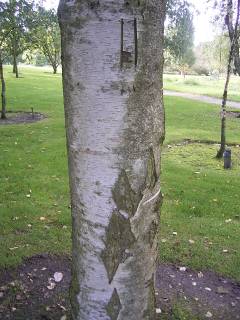
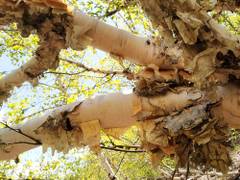
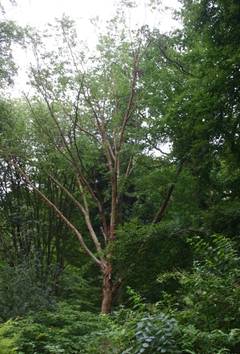
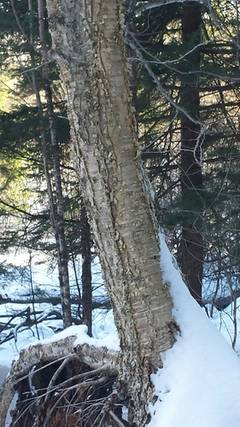
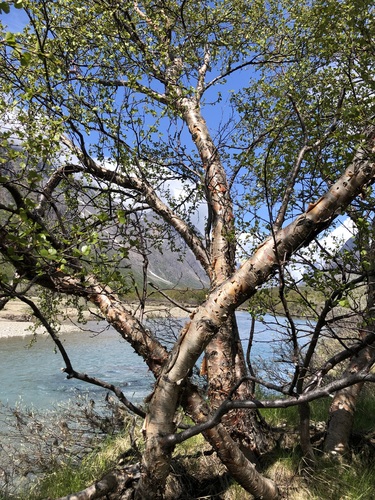
Betula is a genus of about 40 to 60 species of deciduous trees and shrubs in the family Betulaceae, native across the cooler temperate and boreal regions of the Northern Hemisphere. Most species are trees 30 to 80 feet (9 to 24 m) tall with open, airy crowns, while a few are low shrubs of the far north. The bark is a defining feature, peeling in papery layers and ranging from chalky white to pink, orange-brown, gray, and near-black, often marked with horizontal lenticels. Leaves are alternate, simple, and toothed, 1.5 to 4 inches (4 to 10 cm) long, turning clear yellow in autumn. The trees are wind-pollinated, with drooping male catkins and shorter upright female catkins opening in spring; the female catkins break apart at maturity to release small winged seeds. Betula grows in USDA zones 2 to 9 in moist, acidic soil. The trees are often short-lived in cultivation, with shallow roots sensitive to drought and heat, and many are damaged by bronze birch borer and birch leaf miner.
Native Range
Native across the cooler temperate and boreal regions of the Northern Hemisphere, in North America, Europe, and Asia. North American species such as paper birch B. papyrifera and river birch B. nigra grow in northern forests, along rivers, and in cool, moist sites.Suggested Uses
Planted as specimen and grouping trees for bark and light shade, in woodland and naturalistic gardens, and along streams and in rain gardens for moisture-tolerant species. Multi-stemmed clumps are grown for their winter bark. The shallow roots and pest pressure limit use as long-term street trees in hot regions.How to Identify
Appearance
Size & Dimensions
Height30' - 80'
Width/Spread15' - 40'
Bloom Information
Catkins open in spring as the leaves emerge, with long, drooping male catkins shedding pollen to the wind and shorter female catkins on the same tree. Pollinated female catkins ripen through summer. At maturity they disintegrate, scattering small winged seeds that feed finches and other birds.
Detailed Descriptions
Flower Description
yellow-brown to green catkinsFoliage Description
greenGrowing Conditions
Sun Requirements
Requires 6-8 hours of direct sunlight daily
• Full Sun: 6+ hours of direct sunlight
• Partial Shade: 3-6 hours of direct sunlight
• Full Shade: Less than 3 hours of direct sunlight
Care & Maintenance
Care Guide
Grows in full sun to light shade in moist, well-drained, acidic soil, and the shallow roots benefit from cool, mulched ground. Drought and summer heat stress the trees and increase susceptibility to bronze birch borer, which can kill weakened specimens. Hardiness spans USDA zones 2 to 9, with the white-barked species generally the least heat-tolerant. Steady moisture during dry spells reduces stress, and white-barked birches are sited out of hot, dry exposures. River birch B. nigra tolerates heat and wet soil better than most. The trees need little feeding in suitable soil.Pruning
Pruning is done in summer or late summer, since birches bleed sap heavily from cuts made in late winter and spring. Dead, crossing, and low branches are removed to lift the crown. Major pruning is kept to a minimum on stressed or borer-prone trees.Pruning Schedule
Prune: July–August
summer