Image 1 of 15
1 / 15
Plant Reference
Betula, Genus, papyrifera, Species,
- Genus & species
paper birch
Northern North America — from Newfoundland to Alaska, south through the Cascades and Rockies to the northern US states; boreal and northern hardwood forests
Overview
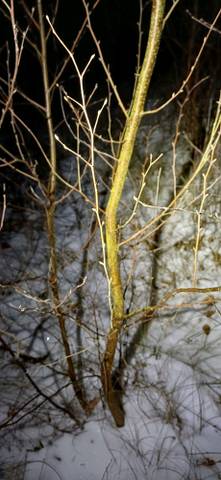
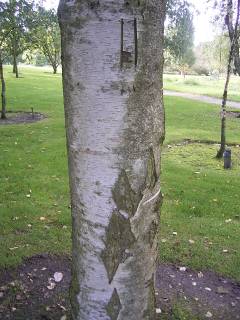
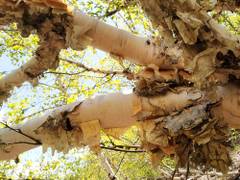
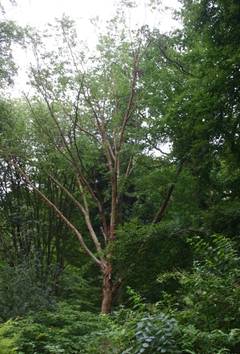
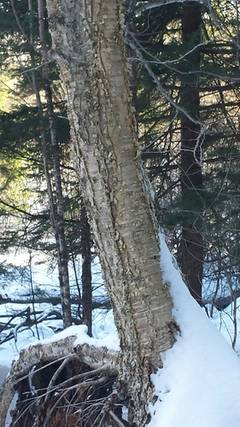
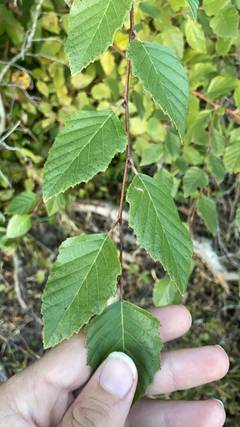
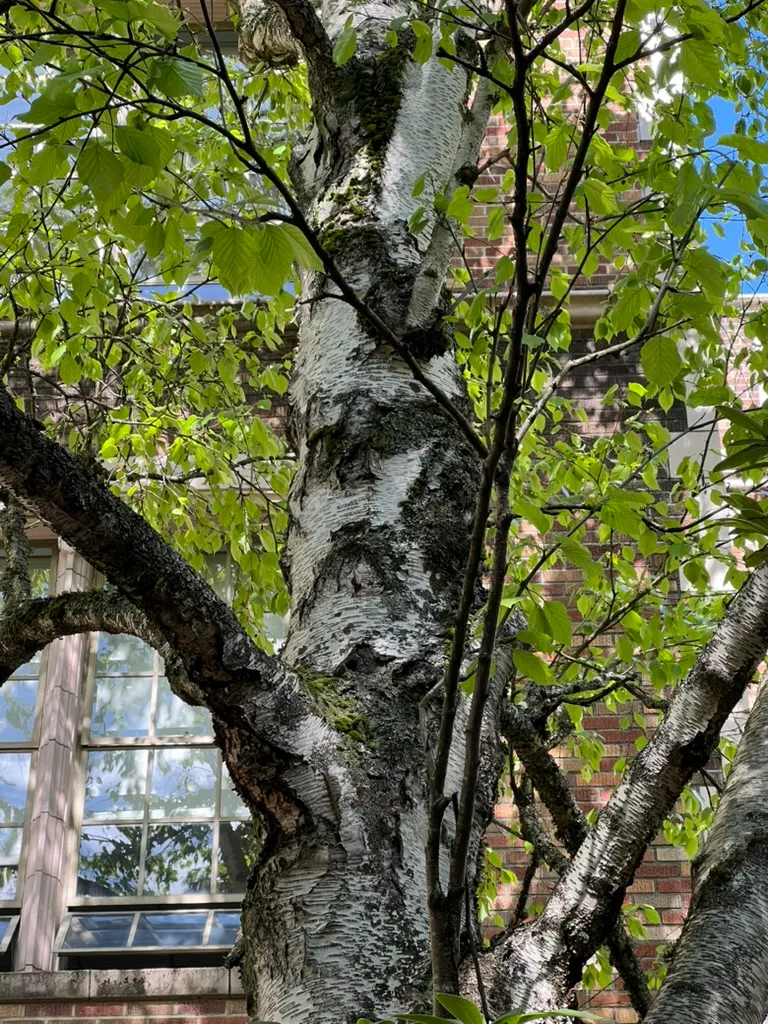
Betula papyrifera is paper birch (white birch), a deciduous tree growing 40-70 feet (12-21 m) tall and 25-40 feet (7.5-12 m) wide. Chalky white bark peeling in papery sheets — the bark is the primary year-round feature and develops at 3-5 years of age (young bark is reddish-brown). Medium green ovate to triangular leaves 2-4 inches (5-10 cm), doubly serrated. Turns clear yellow in fall. Brown pendulous male catkins 2-4 inches (5-10 cm) in March-April. In Betulaceae. Native to northern North America from Newfoundland to Alaska. Bronze birch borer (Agrilus anxius) is the primary limitation — larvae feed under the bark and kill the tree. The borer is most severe in zones 6-7 where summer heat stresses the tree. B. papyrifera is a cool-climate species and does not tolerate sustained heat above 85°F (29°C). In zones 6-7 the tree is short-lived (20-30 years) due to heat stress and borer pressure. In its native range (zones 2-5) it can live 80-100+ years. Not drought-tolerant. The bark should not be peeled from live trees — wounding creates entry points for borers. Non-toxic. Zones 2-7. Full sun to partial shade. Growth rate is moderate to fast.
Native Range
Native to northern North America — from Newfoundland to Alaska, south through the Cascades and Rockies. Found in boreal and northern hardwood forests.Suggested Uses
Grown as a specimen tree (single or multi-trunk clump) in northern landscapes (zones 2-5) spaced 25-40 feet (7.5-12 m). White bark. Yellow fall color. Native to North America. Not for hot climates (zones 6-7 — borer pressure). Non-toxic. Zones 2-7.How to Identify
Appearance
Size & Dimensions
Height40' - 70'
Width/Spread25' - 40'
Bloom Information
Early spring (March-April). Brown pendulous male catkins 2-4 inches (5-10 cm). Female catkins smaller, erect. 3 weeks of catkin display. Wind-pollinated. Small cylindrical seed catkins disintegrate in fall.
Detailed Descriptions
Flower Description
Brown male catkins 2-4 inches (5-10 cm) long, pendulous; female catkins smaller, erectFoliage Description
Medium green, ovate to triangular, doubly serrated, 2-4 inches (5-10 cm) long; turns clear yellow in fallGrowing Conditions
Sun Requirements
Requires 4-8 hours of direct sunlight daily
• Full Sun: 6+ hours of direct sunlight
• Partial Shade: 3-6 hours of direct sunlight
• Full Shade: Less than 3 hours of direct sunlight
Care & Maintenance
Care Guide
Full sun to partial shade (4-8 hours). Well-drained acidic to neutral soil pH 5.0-7.0. Does not tolerate sustained heat above 85°F (29°C) — short-lived in zones 6-7. Not drought-tolerant. Bronze birch borer is fatal — monitor for crown dieback. Prune only in summer (June-August). Do not peel bark from live trees. Non-toxic. Zones 2-7.Pruning
Prune only in summer (June-August) to avoid heavy sap bleeding. Remove dead, crossing, or damaged branches. Crown dieback (top-down branch death) is a sign of bronze birch borer infestation — consult an arborist. Do not top.Pruning Schedule
Prune: June–August
summer