Plant Reference
Betula, Genus, pendula, Species, 'Dalecarlica', Cultivar,
- Genus & species
- Cultivar
cutleaf weeping birch
Europe; originally found in Dalarna province, central Sweden; a naturally occurring form of Betula pendula
Overview
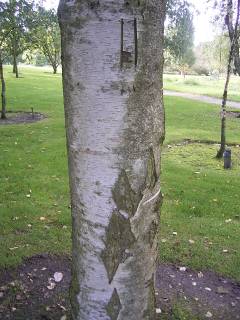
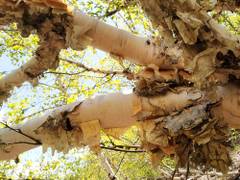
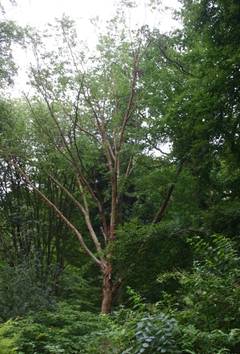
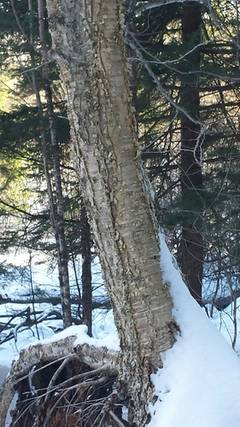
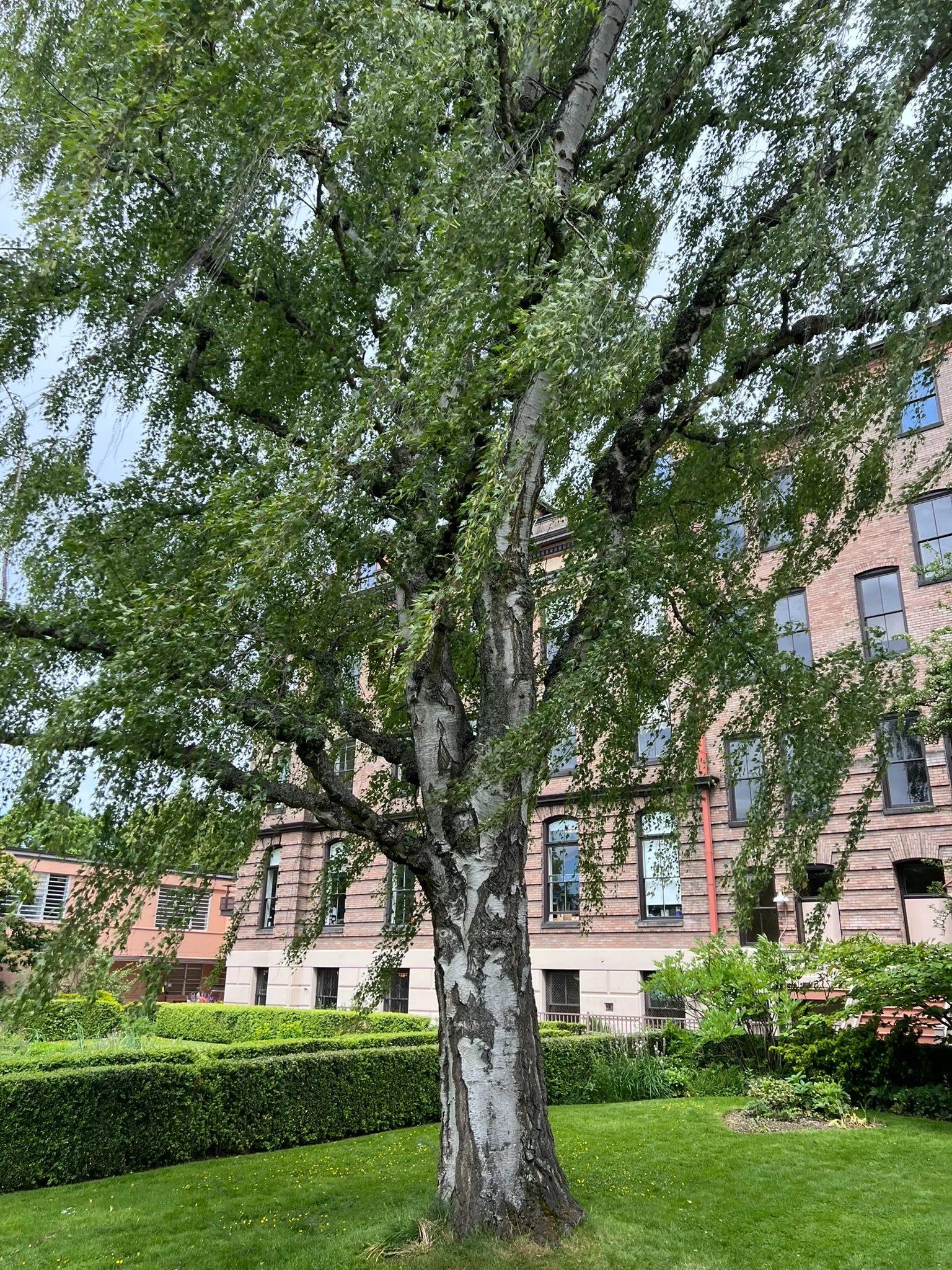
Betula pendula 'Dalecarlica' is cutleaf weeping birch (Swedish birch), a deciduous tree growing 40-60 feet (12-18 m) tall and 20-30 feet (6-9 m) wide with a strongly weeping habit. Silvery-white bark with black diamond-shaped patches at branch junctions. Deeply dissected (laciniate) medium green leaves with long narrow pointed segments 2-3 inches (5-7 cm) long, giving a finely cut lacy texture — much finer than the triangular leaves of the species type. Turns clear yellow in fall. Brown pendulous male catkins 1-3 inches (2.5-7 cm) in April-May. In Betulaceae. Originally found in Dalarna province, central Sweden — a naturally occurring form of B. pendula. Combines the white bark and weeping habit of the species with a finer leaf texture. Susceptible to bronze birch borer (Agrilus anxius) — the same limitation as the species. Short-lived in zones 6-7 (15-25 years) due to combined borer and heat stress. Leaf miner (Fenusa pusilla) disfigures the foliage. Not drought-tolerant. Taxonomic note: the true 'Dalecarlica' is a single clone from Sweden; trees sold under this name may be seedlings or the similar cultivar 'Laciniata'. Non-toxic. Zones 2-7. Full sun. Growth rate is moderate to fast.
Native Range
Originally found in Dalarna province, central Sweden. A naturally occurring form of B. pendula. The species B. pendula is native to Europe and western Siberia.Suggested Uses
Grown as a specimen tree in residential gardens spaced 20-30 feet (6-9 m). White bark. Weeping form. Finely cut foliage. Yellow fall color. Short-lived in zones 6-7 (borer) — consider B. nigra 'Cully' as a borer-resistant alternative. Non-toxic. Zones 2-7.How to Identify
Appearance
Size & Dimensions
Height40' - 60'
Width/Spread20' - 30'
Bloom Information
Early spring (April-May). Brown pendulous male catkins 1-3 inches (2.5-7 cm). Female catkins smaller, erect. 2 weeks of catkin display. Wind-pollinated. Small cylindrical seed catkins disintegrate in fall.
Detailed Descriptions
Flower Description
Brown male catkins 1-3 inches (2.5-7 cm) long, pendulous; female catkins smaller, erectFoliage Description
Medium green, deeply dissected (laciniate) with long narrow pointed segments giving a finely cut lacy texture, 2-3 inches (5-7 cm) long; the dissected leaves distinguish this cultivar from the species type; turns clear yellow in fallGrowing Conditions
Sun Requirements
Requires 6-10 hours of direct sunlight daily
• Full Sun: 6+ hours of direct sunlight
• Partial Shade: 3-6 hours of direct sunlight
• Full Shade: Less than 3 hours of direct sunlight
Care & Maintenance
Care Guide
Full sun (6+ hours). Well-drained acidic to neutral soil pH 5.0-7.0. Not drought-tolerant. Susceptible to bronze birch borer — short-lived in zones 6-7. Leaf miner disfigures foliage. Prune only in summer (June-August) — heavy sap bleeding otherwise. Non-toxic. Zones 2-7.Pruning
Prune only in summer (June-August) to avoid heavy sap bleeding. Remove dead, crossing, or damaged branches. Crown dieback (top-down branch death) indicates bronze birch borer — consult an arborist. The weeping branch tips are the natural form — do not remove.Pruning Schedule
Prune: June–August
summer