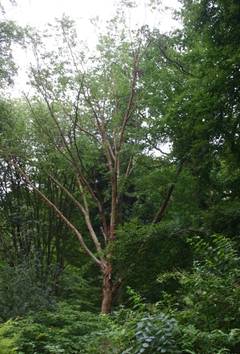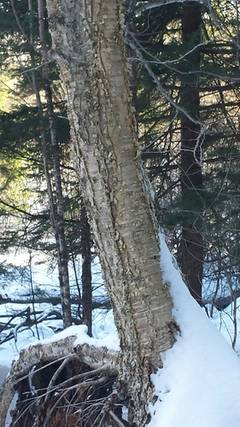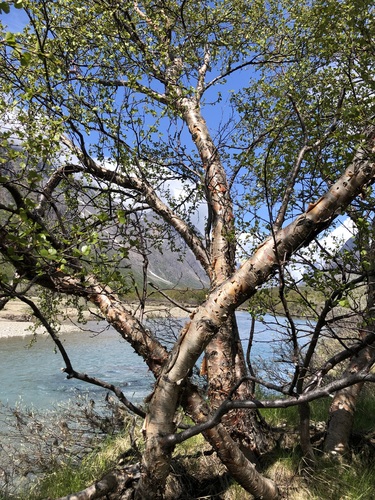
Betula, Genus, pubescens, Species,
- Genus & species
downy birch
Northern and central Europe to northern Asia
Overview
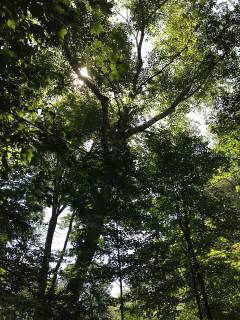
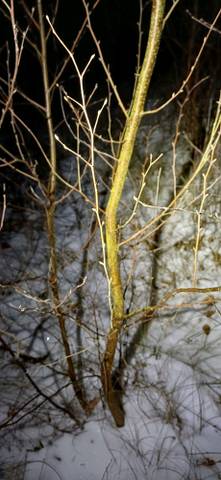
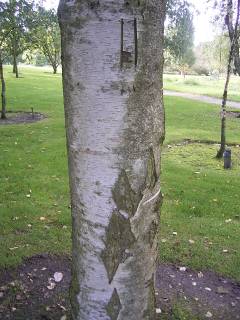
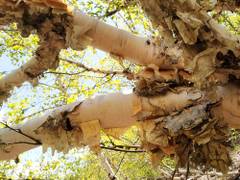
Betula pubescens is a deciduous tree reaching 10-20 m (33-66 ft), occasionally 27 m (89 ft), with a slender crown and ascending branches. The bark is greyish-white to brownish, smooth on young stems and developing rough fissures at the base with age. Young twigs are covered in soft hairs, which separates it from the closely related B. pendula. Leaves are ovate, 2-5 cm (0.8-2 in) long, with rounded bases and single-toothed margins, turning yellow before autumn leaf fall. The species is monoecious: pendulous male catkins 3-6 cm (1.2-2.4 in) long shed pollen in spring, while shorter erect female catkins develop into cylindrical seed catkins that break apart to release small winged nutlets. It grows naturally on wet, acidic, peaty ground and tolerates waterlogged soils and cold exposure that limit many trees. As a short-lived pioneer it establishes quickly on open ground but is shaded out by longer-lived trees within a few decades, and the soft timber decays quickly once cut.
Native Range
Betula pubescens is native across northern and central Europe into northern Asia, extending to Iceland, Scandinavia, and Siberia. It occurs from lowland bogs to mountain slopes, reaching higher latitudes and elevations than most broadleaf trees. In the southern part of its range it is largely confined to cool, wet uplands.Suggested Uses
Betula pubescens is grown in damp woodland gardens, naturalistic plantings, and on wet sites where other trees fail. It is used for screening and as a pioneer in habitat restoration on peaty or boggy ground. Spaced 3-5 m (10-16 ft) apart, it forms light, open canopies that allow underplanting.How to Identify
Appearance
Size & Dimensions
Height33' - 66'
Width/Spread20' - 30'
Bloom Information
Wind-pollinated catkins open in spring, typically April to May, before or as the leaves expand. Male catkins lengthen to 3-6 cm (1.2-2.4 in) and release yellow pollen, while the smaller green female catkins stand erect. Seed catkins ripen by late summer and disintegrate from autumn into winter, scattering winged nutlets.
Detailed Descriptions
Flower Description
yellow-brown male catkins, green female catkinsFoliage Description
green, turning yellow in autumnGrowing Conditions
Sun Requirements
Requires 6-12 hours of direct sunlight daily
• Full Sun: 6+ hours of direct sunlight
• Partial Shade: 3-6 hours of direct sunlight
• Full Shade: Less than 3 hours of direct sunlight