Image 1 of 8
1 / 8
Plant Reference
Betula, Genus, nigra, Species, 'Cully', Cultivar,
- Genus & species
- Cultivar
Heritage® river birch
Eastern United States — New Hampshire to Florida, west to Kansas and Nebraska; floodplains, stream banks, and low wet areas
Overview
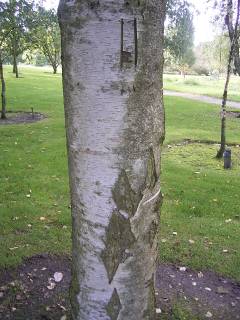
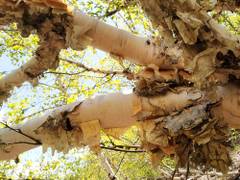
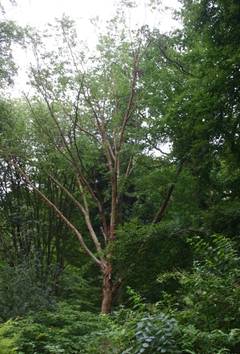
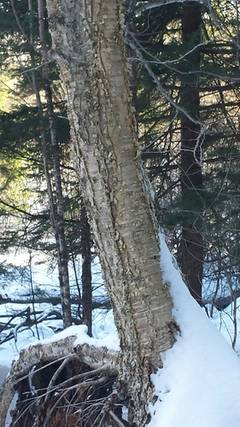
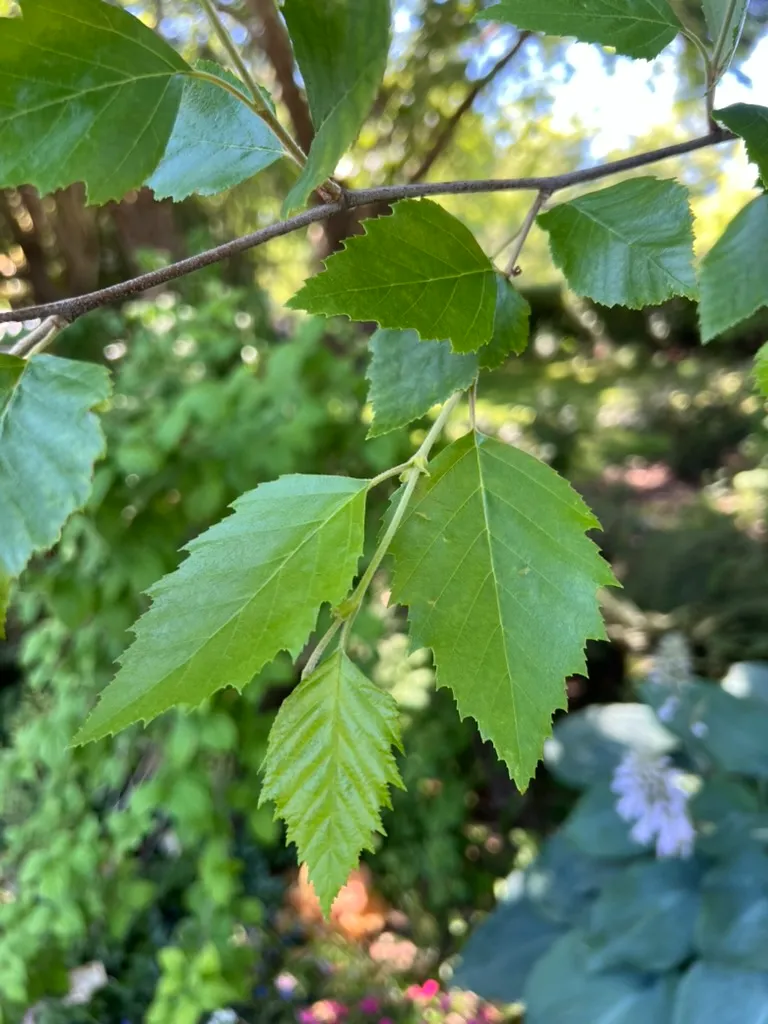
Betula nigra 'Cully' is Heritage river birch (Cully river birch), a deciduous tree growing 40-70 feet (12-21 m) tall and 35-50 feet (10.5-15 m) wide. Salmon-pink to cinnamon-brown exfoliating bark peeling in papery curls to reveal lighter inner bark — the bark is the primary year-round feature. 'Cully' (marketed as Heritage) was selected for lighter, more prominent bark color than the species type. Glossy dark green diamond-shaped to ovate leaves 2-3 inches (5-7 cm), doubly serrated. Turns butter-yellow in fall. Brown pendulous male catkins 2-3 inches (5-7 cm) in February-April. In Betulaceae. Native to the eastern United States — floodplains, stream banks, and low wet areas. The only birch largely resistant to bronze birch borer (Agrilus anxius), which is fatal to B. pendula, B. papyrifera, and B. populifolia in warmer climates. Tolerates heat and humidity through zone 9. Does not tolerate drought — leaf scorch and premature leaf drop in dry soil. This moisture requirement is the primary limitation. Prefers acidic soil (pH 5.5-6.5) — iron chlorosis (yellowing) in alkaline soil. Often planted as a multi-trunk clump (3 stems). Non-toxic. Zones 4-9. Full sun to partial shade. Growth rate is fast.
Native Range
Native to the eastern United States — New Hampshire to Florida, west to Kansas and Nebraska. Found on floodplains, stream banks, and low wet areas.Suggested Uses
Grown as a specimen tree (single or multi-trunk clump of 3) in residential gardens, near water features, and in rain gardens spaced 35-50 feet (10.5-15 m). Exfoliating salmon-pink bark. Bronze birch borer resistant. Tolerates wet sites. Native to eastern North America. Non-toxic. Zones 4-9.How to Identify
Appearance
Size & Dimensions
Height40' - 70'
Width/Spread35' - 50'
Colors
Bloom Information
Late winter to early spring (February-April). Brown pendulous male catkins 2-3 inches (5-7 cm). Female catkins smaller, erect. 4 weeks of catkin display. Wind-pollinated. Small cylindrical seed catkins disintegrate in fall.
Detailed Descriptions
Flower Description
Brown male catkins 2-3 inches (5-7 cm) long, pendulous; female catkins smaller, erectFoliage Description
Glossy dark green, diamond-shaped to ovate, doubly serrated, 2-3 inches (5-7 cm) long; turns butter-yellow in fallGrowing Conditions
Sun Requirements
Requires 4-8 hours of direct sunlight daily
• Full Sun: 6+ hours of direct sunlight
• Partial Shade: 3-6 hours of direct sunlight
• Full Shade: Less than 3 hours of direct sunlight
Care & Maintenance
Care Guide
Full sun to partial shade (4-8 hours). Moist acidic soil pH 5.5-6.5 — iron chlorosis in alkaline soil. Does not tolerate drought — supplemental water during dry periods. Prune only in summer (June-August) — heavy sap bleeding with winter or spring pruning. Resistant to bronze birch borer. Non-toxic. Zones 4-9.Pruning
Prune only in summer (June-August) to avoid heavy sap bleeding. Remove dead, crossing, or damaged branches. If planted as a multi-trunk clump, maintain 3 trunks and remove suckers. Do not top.Pruning Schedule
Prune: June–August
summer