Image 1 of 18
1 / 18
Plant Reference
Betula, Genus, utilis, Species, ssp., Subspecies, jacquemontii, Subspecies,
- Genus & species
- Subspecies
Himalayan white birch
Western Himalayas — Afghanistan, Pakistan, northwestern India (Kashmir, Himachal Pradesh), Nepal; mountain forests at 9,000-14,000 feet (2,700-4,300 m) elevation
Overview
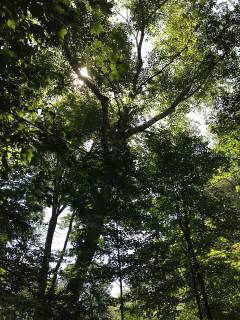
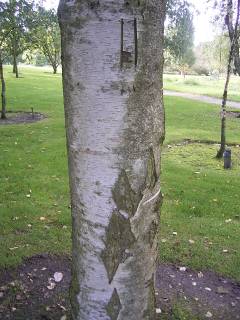
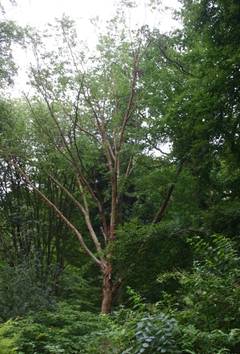
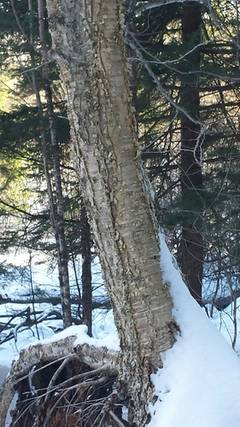
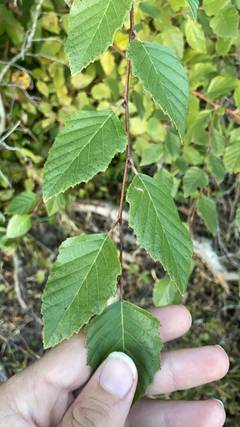
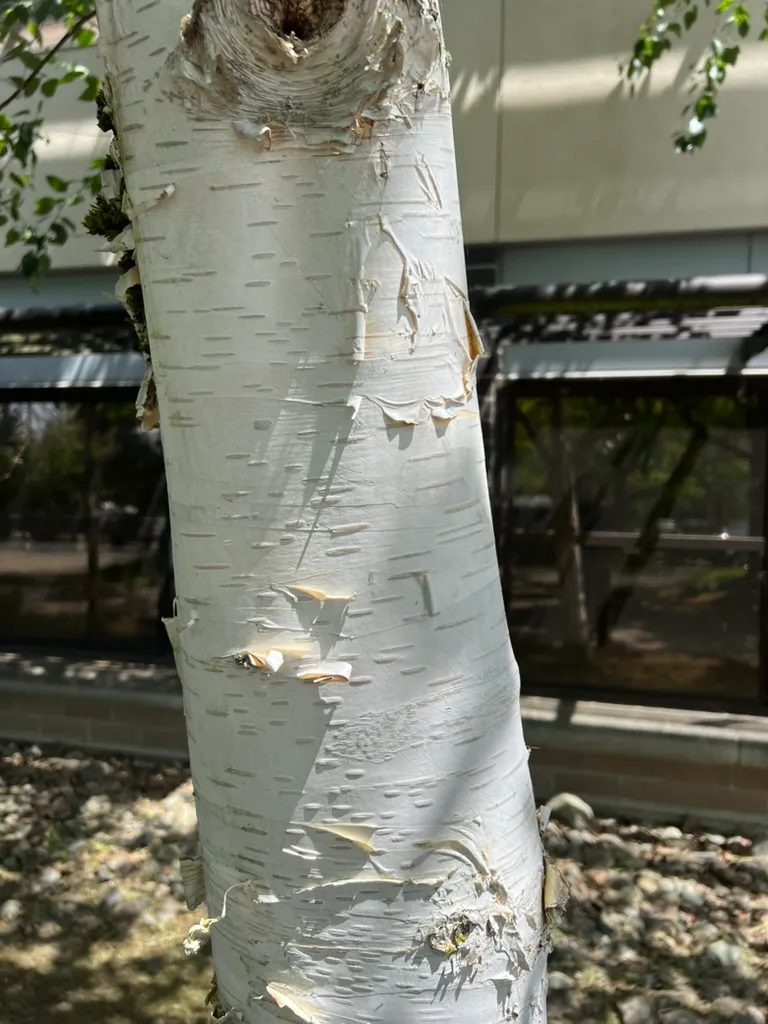
Betula utilis ssp. jacquemontii is Himalayan white birch (Jacquemont birch), a deciduous tree growing 30-50 feet (9-15 m) tall and 20-35 feet (6-10.5 m) wide. Pure white bark — whiter than any other birch species. The bark is smooth without the black diamond patches of B. pendula or the peeling papery sheets of B. papyrifera. The white color develops by 3-5 years and intensifies with age. Dark green ovate doubly serrated leaves 2-3 inches (5-7 cm). Turns yellow in fall. Brown pendulous male catkins 2-3 inches (5-7 cm) in April-May. In Betulaceae. Native to the western Himalayas — Afghanistan, Pakistan, northwestern India, Nepal — at 9,000-14,000 feet (2,700-4,300 m) elevation. This high-elevation origin means the subspecies tolerates cold but not sustained summer heat — performs poorly south of zone 7. Bronze birch borer (Agrilus anxius) susceptibility varies — more resistant than B. pendula but not immune. Not drought-tolerant. Leaf spot and aphid infestations can disfigure foliage by late summer. Named for French botanist Victor Jacquemont. Non-toxic. Zones 4-8. Full sun to partial shade. Growth rate is moderate.
Native Range
Native to the western Himalayas — Afghanistan, Pakistan, northwestern India (Kashmir, Himachal Pradesh), Nepal. Found in mountain forests at 9,000-14,000 feet (2,700-4,300 m) elevation.Suggested Uses
Grown as a specimen tree (single or multi-trunk clump) in residential gardens spaced 20-35 feet (6-10.5 m). Pure white bark — whiter than other birch species. Yellow fall color. Performs poorly in hot climates (south of zone 7). Non-toxic. Zones 4-8.How to Identify
Appearance
Size & Dimensions
Height30' - 50'
Width/Spread20' - 35'
Bloom Information
Early spring (April-May). Brown pendulous male catkins 2-3 inches (5-7 cm). Female catkins smaller, erect. 2 weeks of catkin display. Wind-pollinated.
Detailed Descriptions
Flower Description
Brown male catkins 2-3 inches (5-7 cm), pendulous; female catkins smaller, erectFoliage Description
Dark green, ovate, doubly serrated, 2-3 inches (5-7 cm) long; turns yellow in fallGrowing Conditions
Sun Requirements
Requires 4-8 hours of direct sunlight daily
• Full Sun: 6+ hours of direct sunlight
• Partial Shade: 3-6 hours of direct sunlight
• Full Shade: Less than 3 hours of direct sunlight
Care & Maintenance
Care Guide
Full sun to partial shade (4-8 hours). Well-drained acidic to neutral soil pH 5.0-7.0. Not drought-tolerant — supplemental water during dry periods. Performs poorly in sustained summer heat south of zone 7. More borer-resistant than B. pendula but not immune. Prune only in summer (June-August). Non-toxic. Zones 4-8.Pruning
Prune only in summer (June-August) to avoid heavy sap bleeding. Remove dead, crossing, or damaged branches. Avoid wounding the trunk — the pure white bark is the primary feature. Do not top.Pruning Schedule
Prune: June–August
summer