Betula, Genus, utilis, Species, var., Variety, jacquemontii, Variety,
- Genus & species
- Variety
white-barked Himalayan birch
Western Himalayas (Pakistan, northern India, western Nepal)
Overview
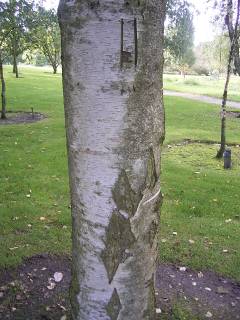
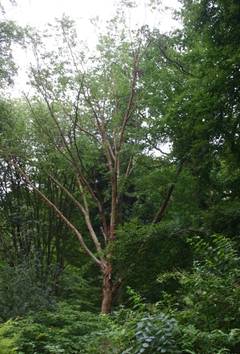
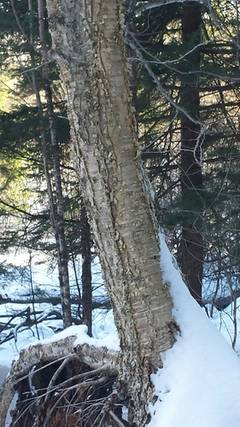
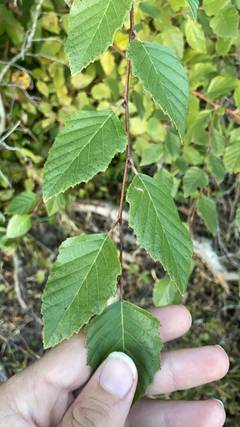
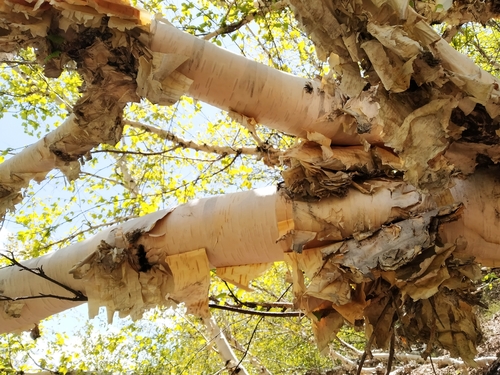
Betula utilis var. jacquemontii is a medium-sized deciduous tree reaching 30–50 feet (9–15 m) tall with a spread of 20–30 feet (6–9 m). The variety is separated from the species type by its white bark, which begins developing on stems as young as 1.5–2 inches (4–5 cm) in diameter and brightens with age. The bark peels in thin papery sheets, revealing a smooth bright-white surface beneath. Bark color varies among seed-grown trees, from cream to pure white; clonal selections such as 'Doorenbos' and 'Grayswood Ghost' produce more uniformly white bark. Leaves are ovate, 2–3.5 inches (5–9 cm) long, dark green, with serrate margins. Male catkins 3–5 inches (8–13 cm) long hang in clusters of 2–4 in March–April. Fall foliage turns yellow; color intensity varies by site and season. Growth rate is moderate at 12–18 inches (30–45 cm) per year. Multi-stemmed forms display the bark across a wider visual area. Bronze birch borer (Agrilus anxius) attacks stressed trees, particularly in hot climates south of zone 7, and can be fatal. Leaf miners may disfigure foliage in summer but rarely affect tree health. The species tolerates more heat than B. pendula but less than B. nigra.
Native Range
Betula utilis var. jacquemontii is native to the western Himalayas, from Pakistan through northern India (Kashmir, Himachal Pradesh) to western Nepal. It occurs at elevations of 8,000–14,000 feet (2,400–4,300 m) on open mountain slopes, forest margins, and above the treeline. The variety name honors French botanist Victor Jacquemont.Suggested Uses
Used as a specimen tree or in groves of 3–5 at 20–30 foot (6–9 m) spacing where the white bark is visible. Multi-stemmed forms contrast with dark backgrounds such as evergreen hedges or dark walls. Sited along paths, near patios, and at garden entries for close-range viewing. Winter interest comes from the bark in the leafless months. Requires a 20–30 foot (6–9 m) mature footprint and does not suit containers at mature size. Hot dry sites increase borer susceptibility and shorten tree life.How to Identify
Appearance
Size & Dimensions
Height30' - 50'
Width/Spread20' - 30'
Bloom Information
Male catkins 3–5 inches (8–13 cm) long emerge in March–April, pendant in clusters of 2–4. Female catkins are smaller and upright on the same tree. Wind-pollinated. Small cylindrical seed cones ripen in fall, releasing winged nutlets.
Detailed Descriptions
Flower Description
Yellowish-green (catkins)Foliage Description
Dark green, serrateGrowing Conditions
Sun Requirements
Requires 6-10 hours of direct sunlight daily
• Full Sun: 6+ hours of direct sunlight
• Partial Shade: 3-6 hours of direct sunlight
• Full Shade: Less than 3 hours of direct sunlight
Care & Maintenance
Care Guide
Grows in moist, well-drained, acidic to neutral soil in full sun. Consistent moisture is essential; drought stress increases susceptibility to bronze birch borer (Agrilus anxius), which can be fatal. Mulching the root zone maintains cool, even soil moisture. Performs in zones 4–7; in zone 8, sites with cool root conditions and afternoon shade extend the range. Soils above pH 7.0 produce chlorotic growth and reduced vigor. Leaf miners disfigure foliage in summer but rarely affect tree health. Clonal cultivars such as 'Doorenbos' and 'Grayswood Ghost' yield whiter bark than seed-grown trees.Pruning
Prune in late summer or fall to minimize heavy sap bleeding that occurs with winter or spring pruning. Remove dead, crossing, or damaged branches; major scaffold limbs are left in place to preserve the open crown. Multi-stemmed specimens retain all primary trunks. In late winter, algae or green deposits on the bark can be removed by gentle wiping with a damp cloth.Pruning Schedule
Prune: August–September
summerfall