Image 1 of 4
1 / 4
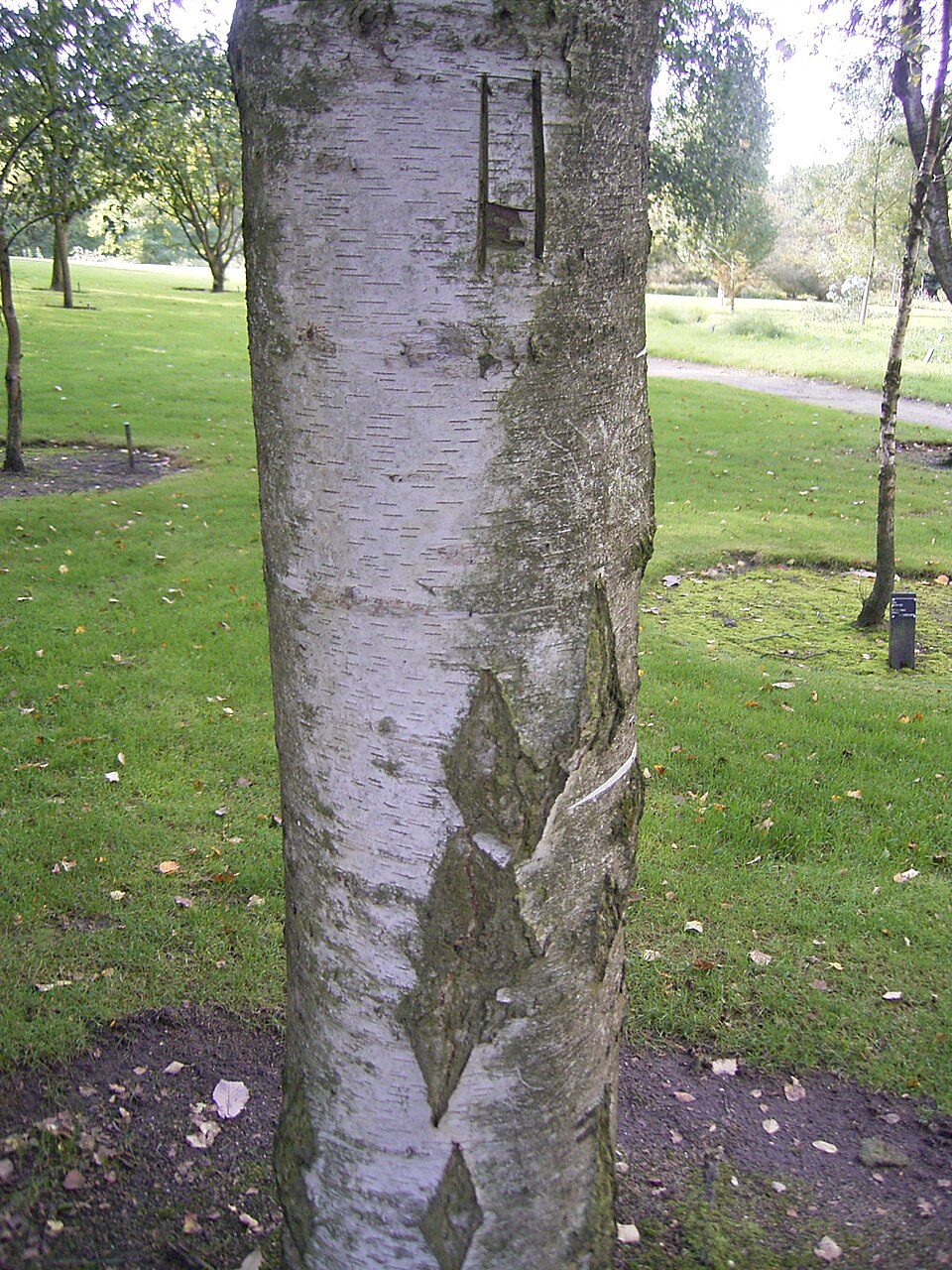
© No machine-readable author provided. TeunSpaans assumed (based on copyright claims)., some rights reserved (CC-BY) · Wikimedia Commons
Betula, Genus, pendula, Species, 'Youngii', Cultivar,
- Genus & species
- Cultivar
Young's weeping birch
Europe and western Siberia (the species); 'Youngii' is a cultivar of garden origin
Overview
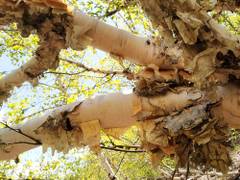
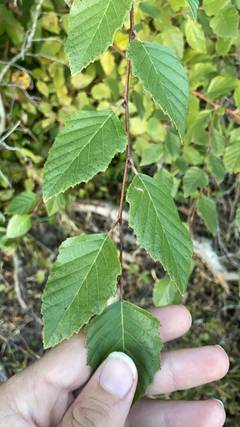
Betula pendula 'Youngii' is Young's weeping birch (dome birch), a small dome-shaped deciduous tree growing 8-15 feet (2.4-4.5 m) tall and 8-15 feet (2.4-4.5 m) wide. All branches cascade downward from the crown, forming a dome that may reach the ground. Silvery-white bark with black diamond-shaped patches — the same bark as the species. Bright green triangular to rhomboid leaves 1-2.5 inches (2.5-6 cm), doubly serrated. Turns clear yellow in fall. Brown pendulous male catkins 1-2 inches (2.5-5 cm) in March-April. In Betulaceae. Top-grafted onto a straight B. pendula trunk — no central leader. The final height depends on the graft height (typically 5-7 feet / 1.5-2.1 m above ground). Susceptible to bronze birch borer (Agrilus anxius) — the same limitation as the species. The graft union can fail in exposed windy sites or under heavy snow loads. Branches that reach the ground may create a ground-level tangle requiring periodic trimming. Not drought-tolerant. Non-toxic. Zones 2-8. Full sun to partial shade. Growth rate is moderate.
Native Range
The species B. pendula is native to Europe and western Siberia. 'Youngii' is a cultivar of garden origin.Suggested Uses
Grown as a specimen tree in small residential gardens, courtyard gardens, and near patios spaced 8-15 feet (2.4-4.5 m). Dome-shaped weeping form. White bark. Small footprint — fits sites where full-sized birches are too large. Non-toxic. Zones 2-8.How to Identify
Appearance
Size & Dimensions
Height8' - 15'
Width/Spread8' - 15'
Bloom Information
Early spring (March-April). Brown pendulous male catkins 1-2 inches (2.5-5 cm). Female catkins smaller. 3 weeks of catkin display. Wind-pollinated.
Detailed Descriptions
Flower Description
Brown male catkins 1-2 inches (2.5-5 cm), pendulous; female catkins smallerFoliage Description
Bright green, triangular to rhomboid, doubly serrated, 1-2.5 inches (2.5-6 cm) long; turns clear yellow in fallGrowing Conditions
Sun Requirements
Requires 4-8 hours of direct sunlight daily
• Full Sun: 6+ hours of direct sunlight
• Partial Shade: 3-6 hours of direct sunlight
• Full Shade: Less than 3 hours of direct sunlight
Care & Maintenance
Care Guide
Full sun to partial shade (4-8 hours). Well-drained acidic to neutral soil pH 5.0-7.0. Not drought-tolerant. Susceptible to bronze birch borer. The graft union can fail in exposed windy sites. Trim branches that tangle at ground level. Prune only in summer (June-August). Non-toxic. Zones 2-8.Pruning
Prune only in summer (June-August) to avoid heavy sap bleeding. Trim ground-reaching branches to prevent a tangled skirt. The dome shape is natural — do not attempt to train upright. Remove any shoots emerging below the graft union (these are rootstock growth, not 'Youngii').Pruning Schedule
Prune: June–August
summer