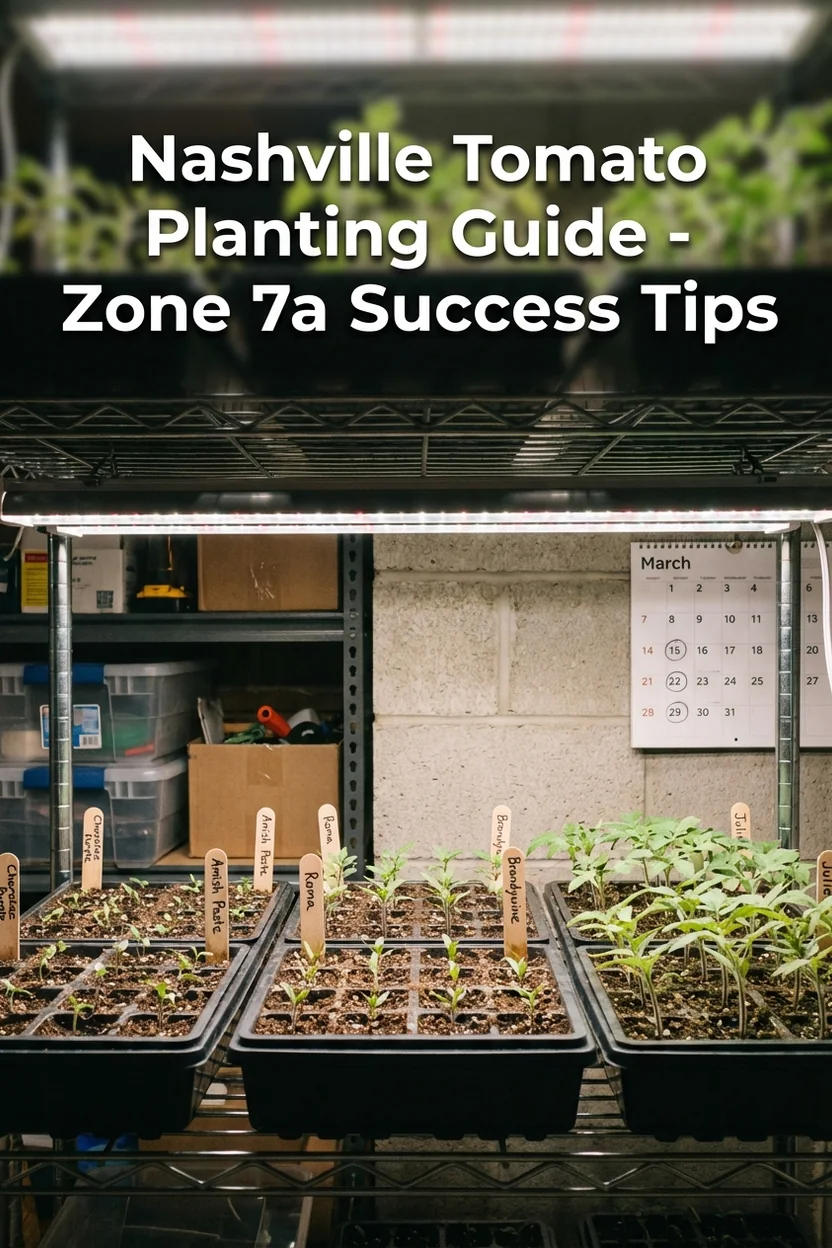
When to Plant Tomatoes in Nashville: Complete Guide + Best Varieties for Zone 7a
Pets & Toxicity
Recorded toxicity for plants linked in this guide. An unknown status is not a safety assessment.
Toxic to pets: brandywine tomato, early girl tomato, cherokee purple tomato and 3 moreDetailsHide
Solanum lycopersicum 'Brandywine' — Toxicity Warning
Toxic to petsView Solanum lycopersicum 'Brandywine' plant profileSolanum lycopersicum 'Early Girl' — Toxicity Warning
Toxic to petsView Solanum lycopersicum 'Early Girl' plant profileSolanum lycopersicum 'Cherokee Purple' — Toxicity Warning
Toxic to petsView Solanum lycopersicum 'Cherokee Purple' plant profileSolanum lycopersicum 'Sungold' — Toxicity Warning
Toxic to petsView Solanum lycopersicum 'Sungold' plant profileSolanum lycopersicum 'San Marzano' — Toxicity Warning
Toxic to petsView Solanum lycopersicum 'San Marzano' plant profileSolanum lycopersicum 'Stupice' — Toxicity Warning
Toxic to petsView Solanum lycopersicum 'Stupice' plant profile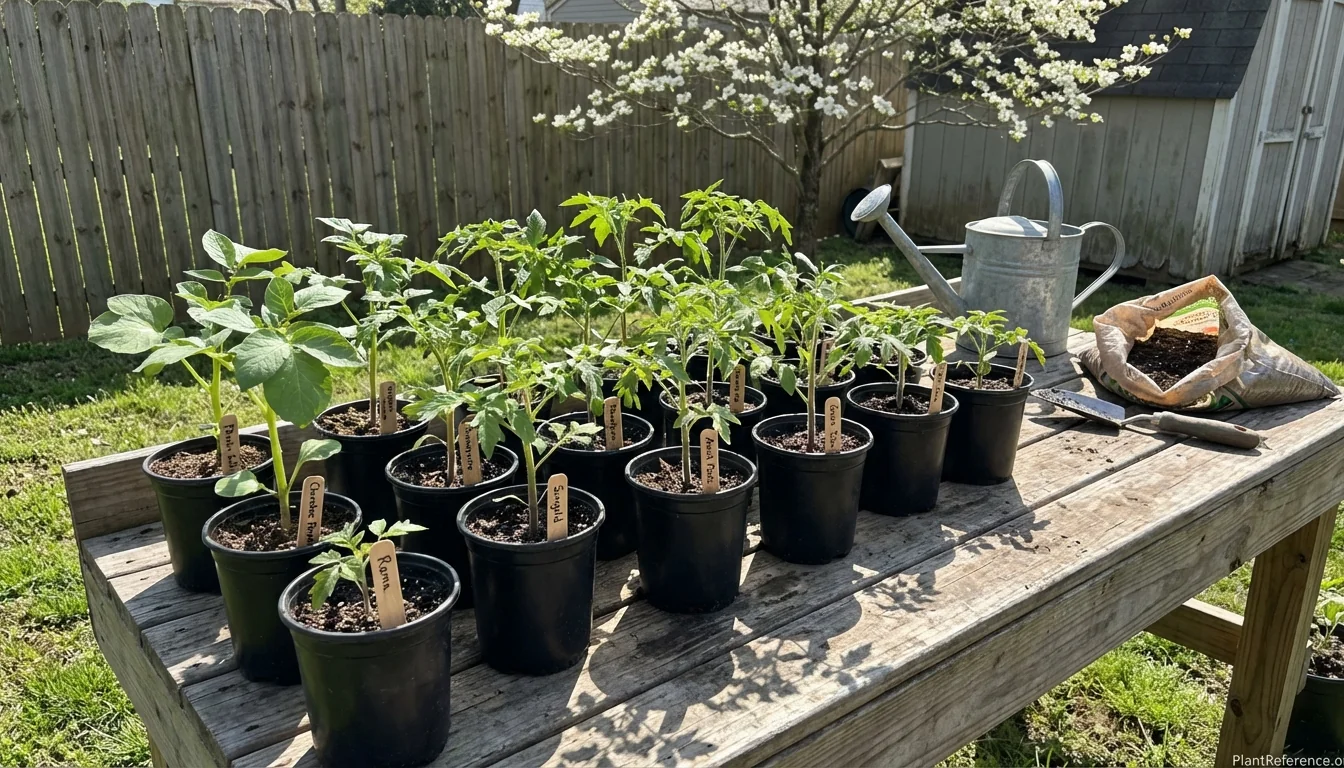
— Image © Plant Reference 2026
I've been growing tomatoes in Tennessee for over four decades, and I'll tell you straight: Nashville's Zone 7a climate is a tomato grower's dream. With 203 days between our last frost on April 9 and first frost on October 29, you've got plenty of time to grow everything from quick cherry tomatoes to those massive beefsteak varieties that need a long, warm season.
The secret to success in Nashville isn't just knowing when to plant—it's understanding how Tennessee's humid summers and unpredictable spring weather patterns affect your varieties. I've seen gardeners plant too early and lose everything to a late cold snap, and I've watched others wait too long and miss out on the best growing weather.
Best Tomato Varieties for Nashville's Zone 7a Climate
Nashville's climate gives you the luxury of growing almost any tomato variety, but some perform exceptionally well in our humid summers and mild winters. After decades of testing varieties in Tennessee gardens, I've narrowed down the top performers that handle our specific challenges: high humidity, summer thunderstorms, and the occasional late spring surprise.
Variety | Days to Maturity | Best For | Notes for Nashville |
|---|---|---|---|
52-60 days | Early harvest | Excellent for spring planting; sets fruit in cool weather | |
50-62 days | Reliable production | Disease-resistant; handles Tennessee humidity well | |
75-90 days | Premium flavor | Tennessee heirloom; adapted to local climate | |
55-65 days | Sweet cherry tomato | Prolific producer; harvest before heavy rains | |
78-85 days | Canning/sauce | Requires consistent watering; excellent for preservation | |
80-100 days | Gourmet slicing | Challenging but rewarding; needs disease management |
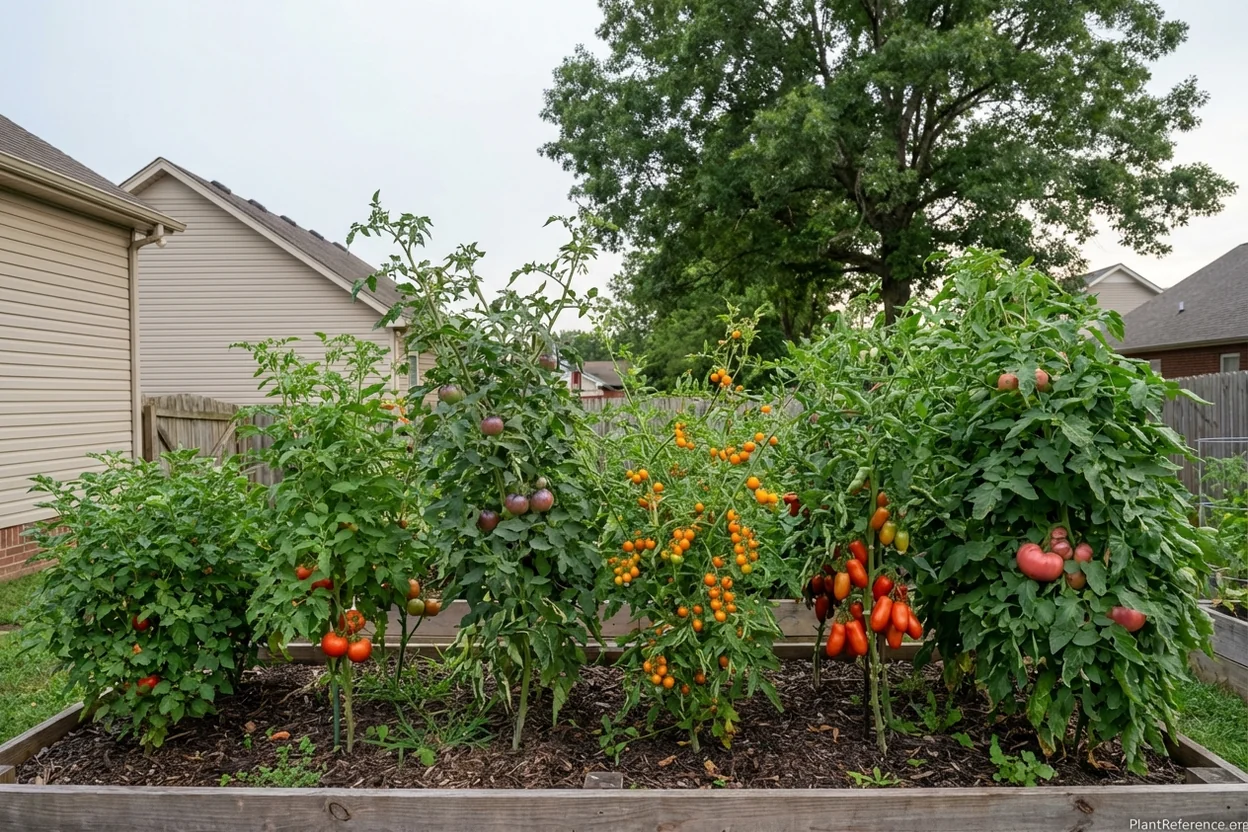
Early Season Champions: Stupice and Early Girl
🌿Solanum lycopersicum 'Stupice' is my go-to recommendation for Nashville gardeners who want tomatoes on the table by mid-June. This Czech variety sets fruit when nights are still cool—down to 45°F—making it perfect for our sometimes unpredictable spring weather. In my trials, Stupice has consistently produced ripe fruit by June 15 when planted on schedule.
🌿Solanum lycopersicum 'Early Girl' follows close behind and handles Tennessee's humidity better than most varieties. It carries natural resistance to Verticillium and Fusarium wilts, which can be problems in our clay soils during wet summers. I've grown Early Girl for thirty years, and it's never let me down.
Heat-Tolerant Mid-Season Varieties
🌿Solanum lycopersicum 'Cherokee Purple' deserves special mention as a Tennessee native. This variety originated right here in our region and shows remarkable adaptation to our climate. The plants handle summer heat well and continue setting fruit when other large varieties shut down during July's hottest weeks.
🌿Solanum lycopersicum 'Sungold' cherry tomatoes are incredibly productive in Nashville's long growing season. One plant will give you pounds of sweet, orange cherry tomatoes from July through October. The only challenge is harvest timing—pick them daily during rainy periods to prevent splitting.
Late Season Powerhouses
🌿Solanum lycopersicum 'San Marzano' paste tomatoes thrive in Nashville's extended growing season. Plant them by April 20, and you'll have perfect canning tomatoes ready in July and August. These require consistent moisture to prevent blossom end rot, which our summer thunderstorms can actually help with if you manage drainage properly.
🌿Solanum lycopersicum 'Brandywine' is the most challenging variety on this list but worth the effort for serious gardeners. This potato-leaf heirloom produces massive, flavorful fruits that can exceed 2 pounds each. In Nashville's humid climate, it needs excellent air circulation and preventive disease management.
Specific Planting Dates for Nashville Gardeners
Nashville's Zone 7a classification gives you specific timing windows that I've refined over decades of Tennessee gardening. Our average last frost of April 9 means you can typically transplant by April 16, but I always recommend waiting until April 20 for valuable heirlooms.
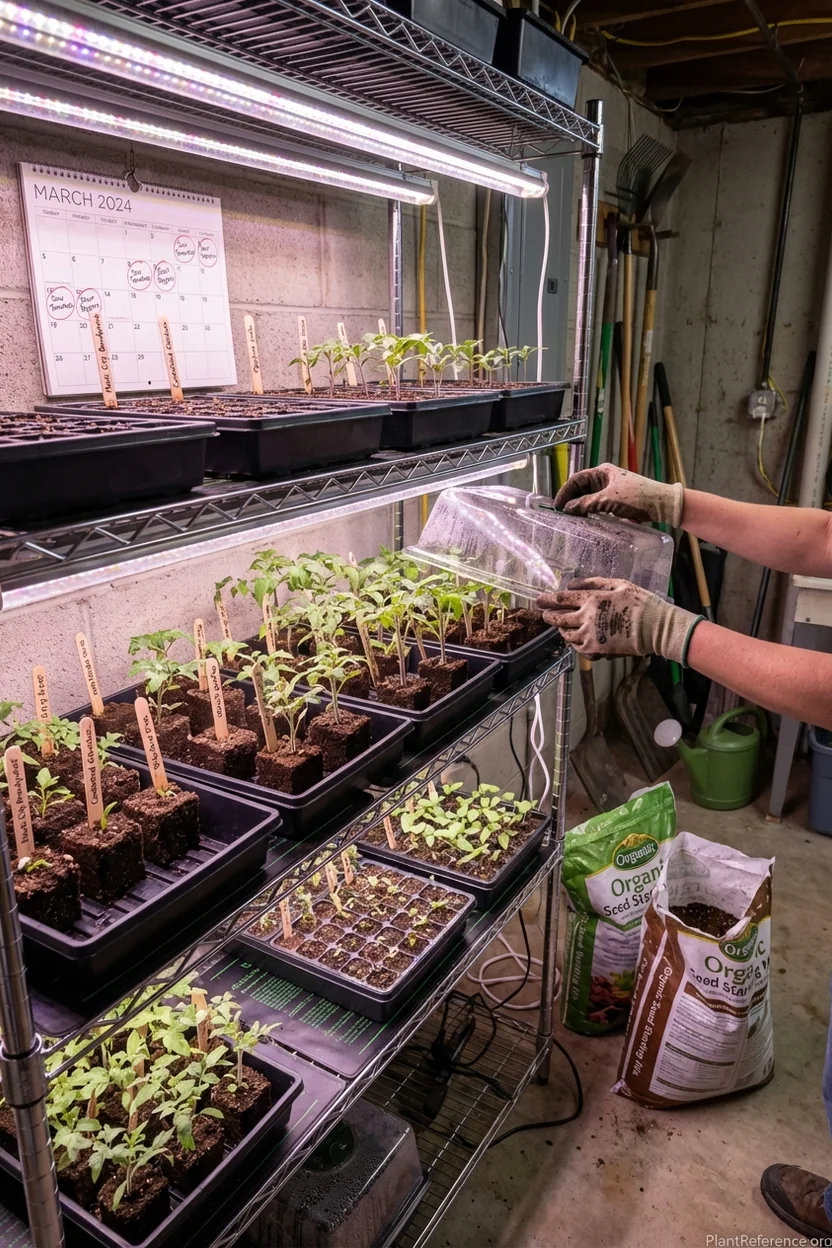
Indoor Seed Starting Timeline
March 12 (8 weeks before transplant): Start all indeterminate varieties indoors. This includes 🌿Solanum lycopersicum 'Cherokee Purple', 🌿Solanum lycopersicum 'Brandywine', and 🌿Solanum lycopersicum 'San Marzano'. These long-season varieties need the full growing period.
March 19 (7 weeks before transplant): Start 🌿Solanum lycopersicum 'Early Girl' and 🌿Solanum lycopersicum 'Sungold'. These varieties develop quickly and can become rootbound if started too early.
March 26 (6 weeks before transplant): Final planting for 🌿Solanum lycopersicum 'Stupice'. This ultra-early variety develops rapidly and transplants well even when smaller.
Hardening Off and Transplant Schedule
April 9-15: Begin hardening off process. Set transplants outside during warm days (above 55°F) and bring inside when temperatures drop below 50°F. Nashville's spring weather can be variable, so watch the forecast carefully.
April 16-20: Safe transplant window opens. Soil temperatures should be consistently above 60°F. I check soil temperature with a thermometer at 6 AM—if it reads 60°F or higher for three consecutive mornings, it's time to plant.
April 20-25: Optimal transplant window for all varieties. This timing gives you maximum growing season while avoiding most risk of late frost damage.
May 1-15: Late planting window. You can still successfully plant tomatoes through mid-May in Nashville, though heat-sensitive varieties like 🌿Solanum lycopersicum 'Brandywine' may struggle during summer heat waves if planted this late.
Fall Planting Considerations
Nashville's climate allows for a potential second crop if you start seeds by July 15 for transplanting in August. However, I rarely recommend this because:
Summer heat stress on seedlings is severe
Disease pressure peaks in late summer
First frost (October 29) limits harvest window
Spring crop usually produces until frost anyway
Complete Growing Guide for Nashville's Climate
Nashville's 203-day growing season and Zone 7a climate create specific growing conditions that require targeted management strategies. Our humid summers, clay soils, and thunderstorm patterns all influence how you should approach tomato cultivation.
Soil Preparation for Nashville Clay
Middle Tennessee's clay soil requires significant amendment for successful tomato production. I've learned that you can't fight clay soil—you have to work with it.
Soil Amendment Strategy:
Add 4 inches of compost annually to improve drainage
Install raised beds 8-12 inches high to prevent waterlogging
Mix in coarse sand (not fine sand) to improve soil structure
Test soil pH annually; Nashville clay tends toward neutral (7.0)
Add sulfur if pH exceeds 7.2; tomatoes prefer 6.0-6.8
The key with Nashville clay is preventing waterlogged conditions during our heavy summer rains. I build raised beds or mound planting areas at least 6 inches above ground level. This prevents root rot during July and August thunderstorms that can dump 3-4 inches of rain in an afternoon.
Managing Nashville's Humidity and Disease Pressure
Tennessee's humid summers create ideal conditions for fungal diseases, particularly Early Blight and Septoria Leaf Spot. Prevention is your best strategy:
Disease Prevention Protocol:
Space plants 36 inches apart for air circulation
Mulch heavily to prevent soil splash onto lower leaves
Water at soil level, never overhead watering
Remove lower leaves up to first fruit cluster by June 15
Apply preventive copper fungicide spray monthly starting June 1
I've found that 🌿Solanum lycopersicum 'Early Girl' and 🌿Solanum lycopersicum 'Sungold' show the best natural resistance to Nashville's fungal pressure. Heirloom varieties like 🌿Solanum lycopersicum 'Cherokee Purple' and 🌿Solanum lycopersicum 'Brandywine' need more intensive management but can succeed with proper care.
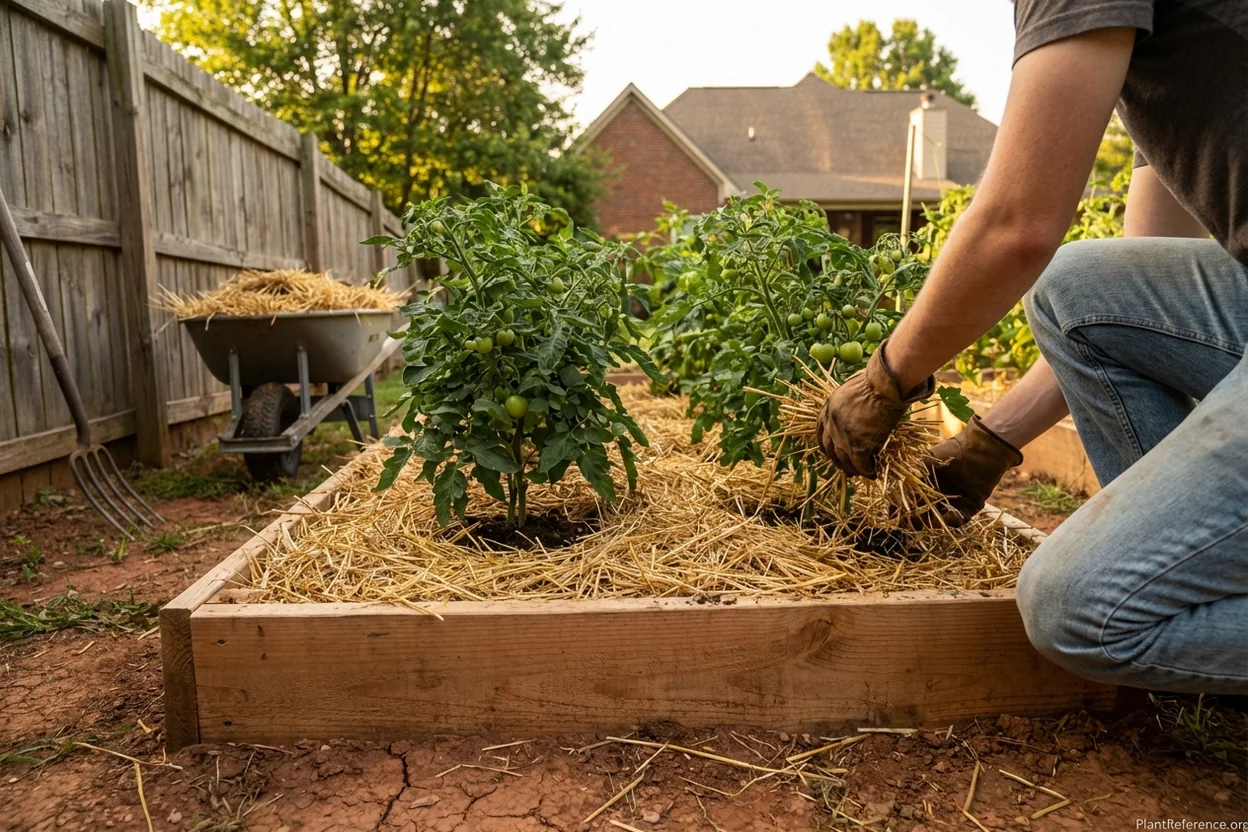
Watering Strategy for Tennessee Weather
Nashville receives an average of 47 inches of rainfall annually, but it's not distributed evenly. We typically get heavy rains in spring and late summer, with dry periods in mid-summer. Your watering strategy must account for this pattern.
Nashville Watering Guidelines:
Install drip irrigation or soaker hoses for consistent moisture
Water deeply twice weekly during dry periods (1-1.5 inches total)
Monitor soil moisture at 4-inch depth; clay retains water longer
Reduce watering during rainy periods to prevent root rot
Increase watering frequency (not amount) during fruit development
🌿Solanum lycopersicum 'San Marzano' varieties are particularly sensitive to water fluctuations in Nashville's climate. Inconsistent moisture causes blossom end rot, which I see frequently during years with erratic rainfall patterns.
Support Systems for Nashville Winds
Tennessee thunderstorms bring powerful straight-line winds that can devastate unsupported tomato plants. I've lost entire crops to summer storms, so proper support is non-negotiable.
Support Strategy:
Install 8-foot stakes or cages at planting time
Use soft ties that allow stem growth
Tie plants every 12 inches as they grow
Secure stakes 24 inches deep in clay soil
Consider wind barriers for exposed garden areas
Indeterminate varieties like 🌿Solanum lycopersicum 'Cherokee Purple' can reach 8-10 feet in Nashville's long growing season, so plan your support systems accordingly.
Fertilization for Tennessee Growing Conditions
Nashville's clay soil typically provides adequate potassium but may be deficient in phosphorus and nitrogen. I recommend soil testing every two years to guide your fertilization program.
Nashville Fertilization Schedule:
Pre-plant: Work in 2 inches of compost plus balanced fertilizer (10-10-10)
3 weeks after transplant: Side-dress with nitrogen (blood meal or fish emulsion)
First fruit set: Switch to lower nitrogen, higher phosphorus fertilizer
Monthly thereafter: Light applications of balanced organic fertilizer
Stop nitrogen feeding 6 weeks before expected frost
Troubleshooting Nashville-Specific Growing Problems
Growing tomatoes in Nashville's Zone 7a climate presents unique challenges that I've encountered repeatedly over four decades of Tennessee gardening. Here are the most common problems and my proven solutions.
Late Spring Cold Snaps
Nashville's weather can be unpredictable in April and early May. I've seen temperatures drop to 35°F as late as April 25, which can damage or kill newly transplanted tomatoes.
Protection Strategies:
Monitor 10-day weather forecasts religiously in April
Keep row covers or old sheets readily available
Use Wall-o-Water protectors for individual plants
Consider temporary cold frames for small plantings
Have backup seedlings ready for replanting if needed
🌿Solanum lycopersicum 'Stupice' and 🌿Solanum lycopersicum 'Early Girl' show the best recovery from light frost damage. Heirloom varieties like 🌿Solanum lycopersicum 'Brandywine' rarely survive temperatures below 35°F.
Summer Heat Stress and Blossom Drop
When Nashville temperatures exceed 90°F during the day and stay above 75°F at night for extended periods, tomato plants stop setting fruit. This typically occurs during July and August.
Heat Stress Management:
Provide afternoon shade during extreme heat waves
Maintain consistent soil moisture to cool root zones
Use reflective mulch to reduce soil temperature
Avoid pruning during heat waves (leaves provide shade)
Accept reduced fruit set during peak summer heat
🌿Solanum lycopersicum 'Cherokee Purple' shows better heat tolerance than other large varieties, often continuing to set some fruit when 🌿Solanum lycopersicum 'Brandywine' shuts down completely.
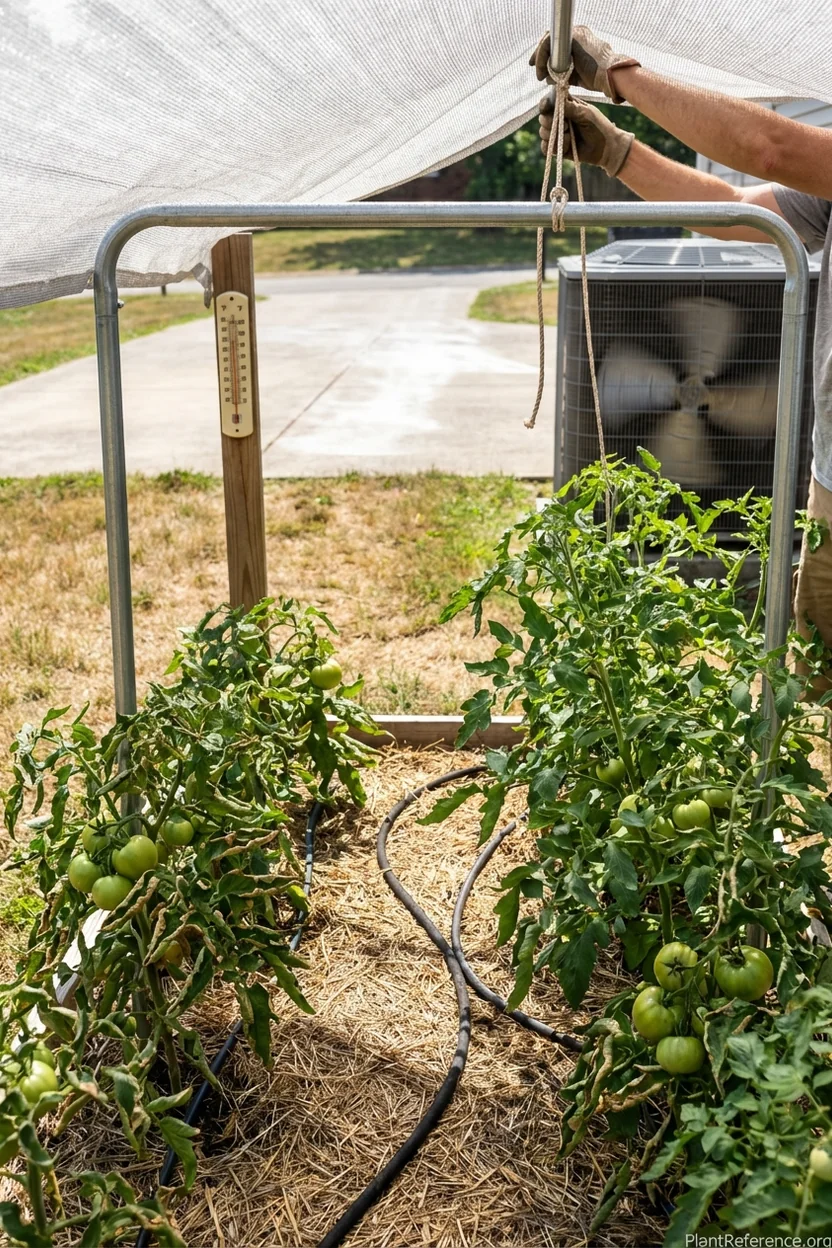
Clay Soil Drainage Problems
Heavy summer rains can waterlog Nashville's clay soil, leading to root rot and yellowing plants. This is especially problematic in low-lying areas.
Drainage Solutions:
Build raised beds minimum 8 inches high
Add coarse materials (perlite, bark chunks) to planting holes
Create drainage channels away from planting areas
Plant on slopes or mounded areas when possible
Consider container growing in problem areas
🌿Solanum lycopersicum 'San Marzano' varieties are particularly susceptible to root rot in poorly drained Nashville clay. I've learned to plant them only in well-amended raised beds.
Pest Management in Tennessee Humidity
Nashville's humid climate supports larger populations of common tomato pests. Hornworms, aphids, and whiteflies can build up quickly during summer months.
Integrated Pest Management:
Inspect plants weekly for early pest detection
Hand-pick hornworms (they're large and easy to spot)
Use beneficial insects like ladybugs for aphid control
Apply neem oil for whitefly management
Remove plant debris promptly to reduce overwintering pests
Disease Management in High Humidity
Tennessee's summer humidity creates perfect conditions for fungal diseases. Early Blight and Septoria Leaf Spot are the most common problems I encounter.
Disease Prevention Protocol:
Provide excellent air circulation between plants
Water only at soil level, never on foliage
Remove lower leaves before they touch soil
Apply preventive copper sprays before disease appears
Choose resistant varieties when possible
🌿Solanum lycopersicum 'Early Girl' shows excellent disease resistance in Nashville conditions, while heirloom varieties require more intensive management.
Harvest & Storage in Tennessee
Nashville's long growing season means you'll be harvesting tomatoes from mid-June through October. Proper harvest timing and storage techniques maximize your yield and extend your enjoyment of homegrown tomatoes.
Harvest Timing for Maximum Quality
Each variety has specific harvest indicators that I've learned to recognize over decades of growing in Tennessee:
Variety-Specific Harvest Cues:
🌿Solanum lycopersicum 'Stupice' should be picked when fruits show full red color but still feel firm. These don't store well, so harvest for immediate use.
🌿Solanum lycopersicum 'Early Girl' can be harvested at the "breaker" stage (first blush of pink) and will ripen perfectly indoors. This prevents cracking during summer thunderstorms.
🌿Solanum lycopersicum 'Cherokee Purple' is ready when shoulders turn deep purple-brown and fruits yield slightly to pressure. The bottom may still show green, which is normal.
🌿Solanum lycopersicum 'Sungold' cherry tomatoes should be fully orange and slightly soft. Pick daily during rainy periods to prevent splitting.
🌿Solanum lycopersicum 'San Marzano' paste tomatoes are best when deep red and firm. Harvest all fruits before temperatures drop below 50°F consistently.
🌿Solanum lycopersicum 'Brandywine' requires patience. Wait for full color development and slight softening. These are best eaten within days of harvest.
End-of-Season Strategies
Nashville's average first frost of October 29 means you need a plan for unripe tomatoes. I've developed several strategies over the years:
Green Tomato Management:
Harvest all fruits when nighttime temperatures reach 45°F consistently
Pick mature green tomatoes (full size, showing white color inside when cut)
Store mature greens wrapped in newspaper at 65-70°F
Use immature green tomatoes for recipes (fried green tomatoes, pickles)
Pull entire plants and hang in garage if early frost threatens
Storage and Preservation Methods
Tennessee's tomato abundance requires good preservation strategies. I use several methods depending on the variety and intended use:
Fresh Storage: Ripe tomatoes keep 3-5 days at room temperature, up to 10 days in refrigerator. Never refrigerate unripe tomatoes.
Freezing: 🌿Solanum lycopersicum 'San Marzano' and other paste types freeze well whole for winter sauce making. Simply wash, core, and freeze in bags.
Canning: All varieties can be canned, but paste types like 🌿Solanum lycopersicum 'San Marzano' have better texture and flavor after processing.
Dehydration: Cherry varieties like 🌿Solanum lycopersicum 'Sungold' make excellent sun-dried tomatoes in Tennessee's hot summer sun.
Growing tomatoes successfully in Nashville requires understanding our specific Zone 7a conditions and working with Tennessee's climate patterns rather than against them. The varieties I've recommended have proven themselves over decades in middle Tennessee gardens. Start your seeds by March 12, transplant after April 16, and you'll be harvesting homegrown tomatoes from June through October. There's nothing quite like a vine-ripe tomato grown in Tennessee soil—it's worth every bit of effort you put into it.
Frequently Asked Questions
Reading about plants and recognising them are different skills. These three build the second.
- Daily PlantIdentify the day’s mystery plant from a close-up photograph.
- Keyed OutWork a dichotomous key, lead by lead, to name a hidden specimen.
- Name That PlantName a specimen from botanical clues dealt hardest first.
Free to play, no account needed
Marcus manages the grounds at a historic property in Memphis and runs a side business doing residential garden design. He grew up helping his grandfather maintain a large vegetable garden in the Mississippi Delta and carried that knowledge into formal training—he has a degree in landscape technology. Memphis sits in a sweet spot for growing: long warm seasons, decent rainfall, and mild enough winters that many marginally hardy plants survive. Marcus writes about Southern gardening traditions, ornamental garden design, and dealing with the humidity and heavy rainfall that define the Mid-South climate.