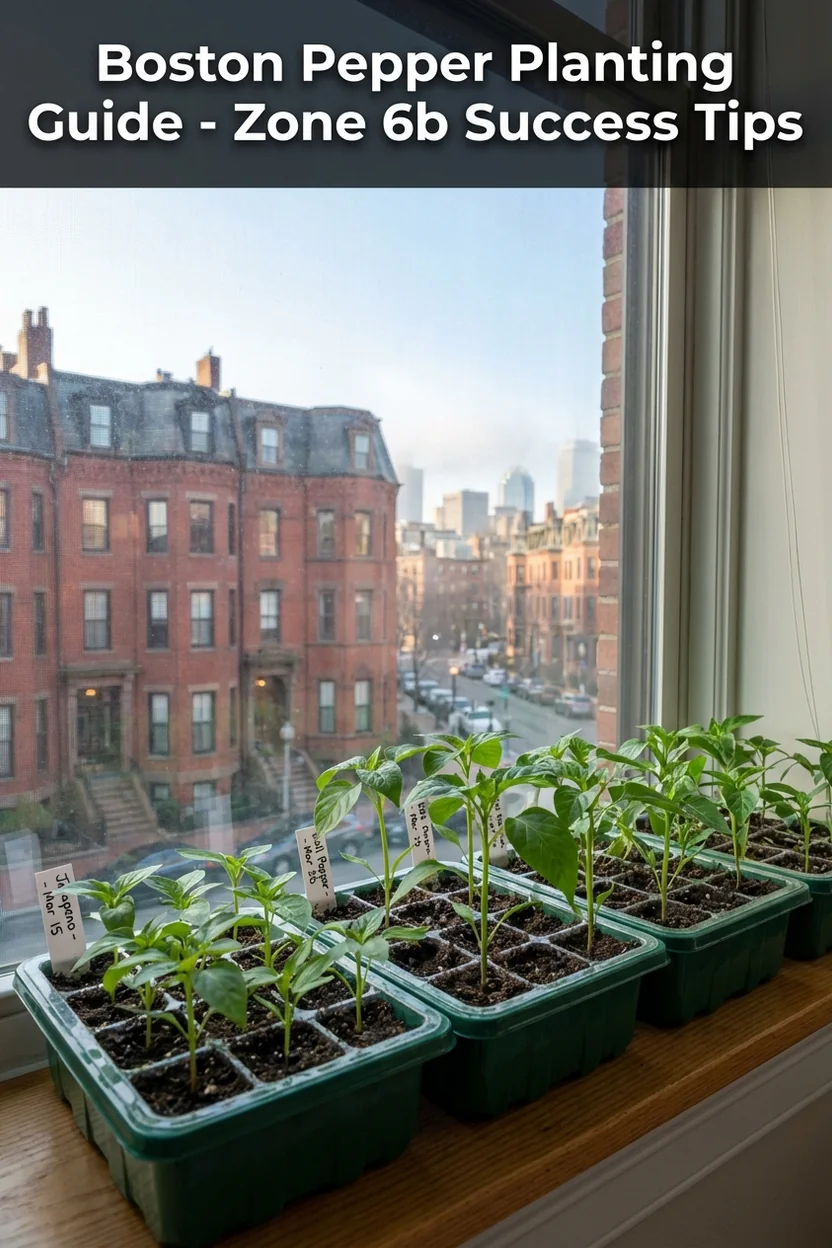
When to Plant Peppers in Boston: Complete Guide + Best Varieties for Zone 6b
Pets & Toxicity
Recorded toxicity for plants linked in this guide. An unknown status is not a safety assessment.
Toxic to pets: Poblano pepperDetailsHide
Capsicum annuum 'California Wonder' — Toxicity
Non-toxicView Capsicum annuum 'California Wonder' plant profileCapsicum chinense 'Habanero' — Toxicity: Not assessed
Fruit contains capsaicin at 100,000–350,000 Scoville Heat Units — strong enough to cause severe burning on skin, eyes, and mucous membranes through simple contact with cut fruit or the hand that held it. Nitrile gloves are used during handling and food preparation; face and eye contact is avoided. The fruit is irritating rather than toxic in the usual sense, but the heat level can cause significant discomfort and real injury if mishandled. The plant is kept out of reach of children and pets.View Capsicum chinense 'Habanero' plant profileCapsicum annuum 'Jalapeño' — Toxicity: Not assessed
Capsaicin in fruit causes burning sensations in mouth and on skin. Fruit and handling oils are irritating to eyes and mucous membranes but are not toxic in the usual sense. Gloves are used during harvesting and processing; hands are washed thoroughly before touching face. Small amounts are generally safe for pets but can cause digestive upset.View Capsicum annuum 'Jalapeño' plant profileCapsicum annuum 'Poblano' — Toxicity Warning
Toxic to petsView Capsicum annuum 'Poblano' plant profile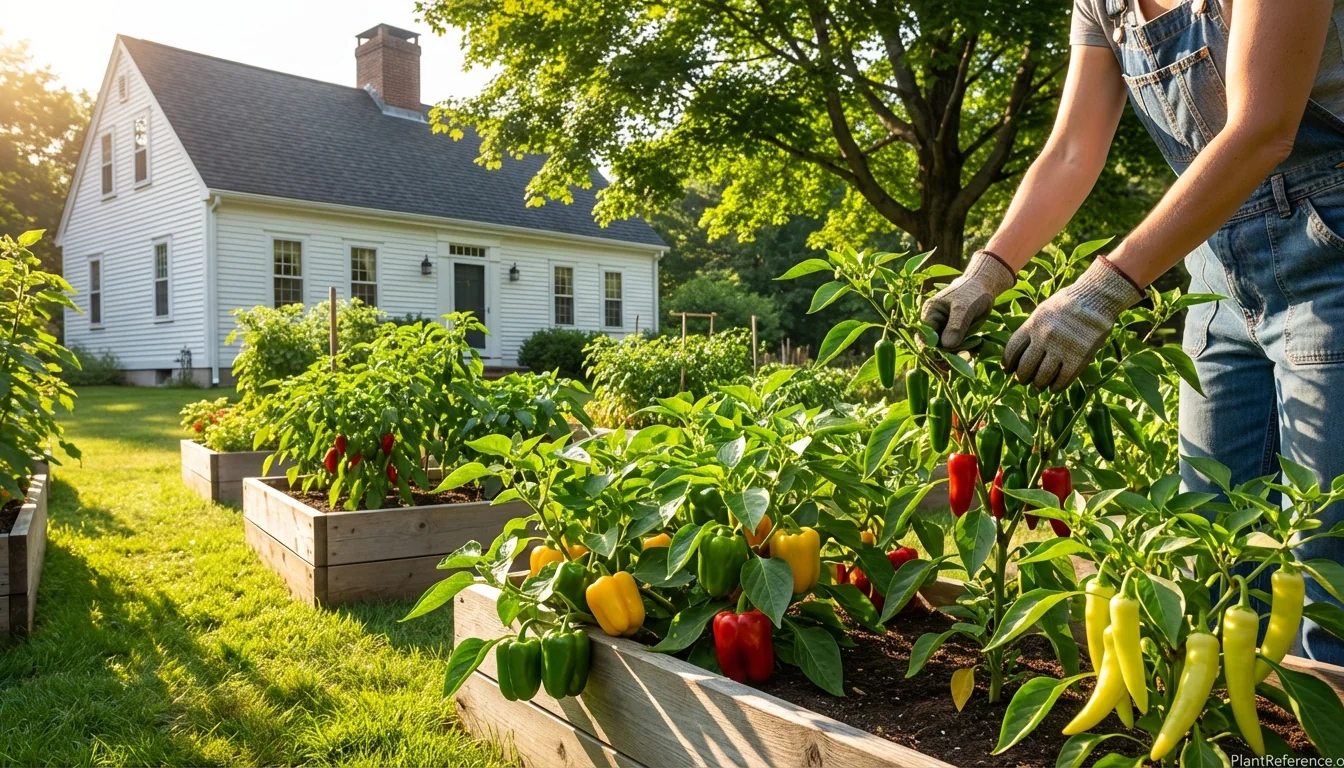
— Image © Plant Reference 2026
After forty years of growing peppers in New England, I can tell you that Boston's Zone 6b climate offers excellent opportunities for pepper production—if you know when to plant peppers in Boston and which varieties work best. With 183 frost-free days between April 20 and October 20, Massachusetts gardeners have enough time for most pepper varieties to mature fully.
Best Pepper Varieties for Boston's Climate
Boston's Zone 6b climate with its 183-day growing season provides excellent conditions for most 🌿Capsicum annuum 'California Wonder' varieties. The key is selecting peppers that can mature before Boston's first fall frost around October 20.
Variety | Days to Maturity | Best For | Notes for Boston |
|---|---|---|---|
60-70 days | Quick harvest | Perfect for Boston's shorter season | |
65-75 days | Fresh eating | Excellent cold tolerance | |
70-80 days | Salsa/pickling | Reliable producer in Zone 6b | |
70-80 days | Stuffing/fresh | Classic bell pepper choice | |
65-80 days | Cooking/drying | Needs warm microclimate | |
70-80 days | Roasting | Good for longer season varieties | |
70-85 days | Drying/spice | Reliable in Massachusetts | |
90-120 days | Hot sauce | Requires season extension |

The most reliable choices for Boston include early-maturing 🌿Capsicum annuum 'California Wonder' varieties. 🌿Capsicum annuum 'Shishito' and 🌿Capsicum annuum 'Sweet Banana' consistently produce excellent harvests because they mature in 60-75 days. These varieties handle Boston's occasional cool nights better than longer-season types.
For heat lovers, 🌿Capsicum annuum 'Jalapeño' thrives in Boston's climate and produces heavily from July through October. 🌿Capsicum annuum 'California Wonder' bell peppers need the full season but reward patient gardeners with large, thick-walled fruits perfect for stuffing.
🌿Capsicum chinense 'Habanero' requires special attention in Boston. With its 90-120 day maturation period, habaneros need to be started earlier (mid-February) and may require season extension techniques like black plastic mulch or container growing to accumulate enough heat units.
Climate Considerations for Zone 6b
Boston's maritime-influenced climate provides moderate summers with average July temperatures of 73°F (23°C). This temperature range keeps most peppers productive throughout the growing season without the heat stress common in southern regions.
Spring can be unpredictable with late cold snaps possible through early May. Always wait until soil temperature consistently reaches 60°F (16°C) before transplanting, typically May 1-8 in the Boston area.
Specific Planting Dates for Boston
When to plant peppers in Boston requires precise timing to maximize the 183-day growing season. Here's my proven schedule for Boston gardeners:
Indoor Seed Starting: February 20 - March 1 Start seeds 8 weeks before your planned transplant date. For most varieties, this means sowing seeds during the last week of February. Use a heat mat to maintain soil temperature at 80-85°F (27-29°C) for optimal germination.
Seedling Care: March - April Maintain seedlings at 70-75°F (21-24°C) during the day and no cooler than 60°F (16°C) at night. Begin hardening off seedlings one week before transplanting by gradually exposing them to outdoor conditions.
Transplant Outdoors: May 1 - May 8 Wait until Boston's average last frost date of April 20 has passed and soil temperature reaches 60°F consistently. Check 10-day weather forecasts to avoid late cold snaps that can stunt pepper growth.
First Harvest: July 15 - August 1 Quick-maturing varieties like 🌿Capsicum annuum 'Shishito' will be ready for first harvest by mid-July. Bell peppers and longer-season varieties typically begin producing in early August.
Final Harvest: October 15 - October 25 Harvest all remaining peppers before Boston's first frost around October 20. Green tomatoes can ripen indoors, but green peppers won't continue ripening once picked.

Calculating Heat Units for Boston
Boston accumulates approximately 1,800-2,200 Growing Degree Days (GDD) during the growing season. Most 🌿Capsicum annuum 'California Wonder' varieties require 1,200-1,500 GDD to reach maturity, making them reliable choices for Boston gardeners.
🌿Capsicum chinense 'Habanero' requires 2,000-2,500 GDD, which pushes the limits of Boston's natural heat accumulation. Success with habaneros often requires microclimate management using black plastic mulch, south-facing exposures, or container culture.
Complete Growing Guide for Boston
Successful pepper production in Boston requires attention to soil preparation, planting techniques, and ongoing maintenance throughout the growing season.
Soil Preparation
Boston's clay-loam soils benefit from organic matter amendments. Work 2-3 inches (5-8 cm) of compost into planting beds each spring. Peppers prefer well-draining soil with pH between 6.0-6.8.
Test soil temperature with a thermometer before transplanting. Even if air temperatures are warm, cold soil will shock pepper roots and delay establishment by weeks.
Planting Techniques
Space pepper plants 18-24 inches (45-60 cm) apart in Boston gardens. Closer spacing reduces air circulation and can increase disease pressure during humid summer periods.
Plant transplants at the same depth they were growing in containers. Unlike tomatoes, peppers don't benefit from deep planting and may develop stem rot if buried too deeply.
Mulching Strategy Apply black plastic mulch immediately after transplanting to warm soil and retain moisture. Once summer temperatures are established (mid-June), switch to organic mulch like straw or shredded leaves to keep roots cool during hot spells.
Watering Requirements
Boston receives average annual rainfall of 43 inches (109 cm), but summer dry periods are common. Provide 1-2 inches (2.5-5 cm) of water weekly through drip irrigation or soaker hoses.
Inconsistent watering causes blossom end rot in large-fruited varieties like 🌿Capsicum annuum 'California Wonder' and 🌿Capsicum annuum 'Poblano'. Maintain consistent soil moisture throughout the growing season.

Fertilization Schedule
Pre-planting: Work 2-3 pounds (0.9-1.4 kg) of 10-10-10 fertilizer per 100 square feet (9.3 square meters) into soil before transplanting.
Monthly Feeding: Side-dress plants with compost or balanced fertilizer every 4 weeks through August. Avoid high-nitrogen fertilizers after mid-July as they promote leaf growth at the expense of fruit production.
Calcium Supplementation: Boston's acidic soils may require lime application in fall to ensure adequate calcium availability for the following season.
Support Systems
Most pepper varieties benefit from staking or caging in Boston's climate. Summer thunderstorms with strong winds can snap heavily loaded branches.
Install stakes at transplanting time to avoid root damage later. Use soft ties that won't girdle stems as plants grow throughout the season.
Troubleshooting Boston-Specific Problems
Boston's climate presents unique challenges for pepper growers. Here are the most common problems and their solutions:
Late Spring Frost Damage Protect transplants with row covers, Wall o' Water protectors, or overturned buckets when temperatures drop below 50°F (10°C).
Cool Summer Nights Temperatures below 55°F (13°C) prevent fruit set in peppers. This occasionally occurs during cool, wet summers. Choose varieties with better cool-weather tolerance like 🌿Capsicum annuum 'Shishito' and 🌿Capsicum annuum 'Sweet Banana'.
High Humidity Disease Pressure Boston's humid summers can promote bacterial spot and anthracnose. Ensure adequate plant spacing for air circulation and avoid overhead watering. Apply copper-based fungicides preventatively during wet periods.
Blossom End Rot Common in large-fruited varieties during dry spells followed by heavy rains. Maintain consistent soil moisture and ensure adequate calcium availability through proper soil pH management.
Regional Pest Management
Colorado Potato Beetle: Occasionally attacks pepper foliage. Hand-pick adults and egg masses, or apply Bacillus thuringiensis var. tenebrionis.
Aphids: Common during humid periods. Encourage beneficial insects by planting yarrow, dill, and other flowering herbs nearby.
Pepper Maggot: Regional pest that lays eggs in developing fruits. Remove all fallen fruit promptly and use yellow sticky traps to monitor adults.

Harvest & Storage
Boston's 183-day growing season provides an excellent harvest window from July through October. Understanding when and how to harvest different varieties maximizes both yield and quality.
Timing Guidelines Most peppers can be harvested at any stage, but flavor and nutrition peak when fruits reach their mature color. 🌿Capsicum annuum 'Shishito' and 🌿Capsicum annuum 'Sweet Banana' are best picked young and tender. Bell peppers develop maximum sweetness when allowed to ripen from green to red.
Harvest Techniques Use clean pruning shears or a sharp knife to cut peppers from plants. Pulling fruits can damage branches and reduce future production. Harvest regularly to encourage continued flowering and fruit set.
Storage Methods Fresh peppers store best at 45-50°F (7-10°C) with high humidity. Most varieties keep 2-3 weeks under proper conditions. For longer storage, peppers can be frozen whole, dried, or processed into sauces.
End-of-Season Management Before Boston's first frost around October 20, harvest all remaining peppers regardless of ripeness. Green peppers won't continue ripening after harvest, but they're excellent for cooking applications.
Frequently Asked Questions
Reading about plants and recognising them are different skills. These three build the second.
- Daily PlantIdentify the day’s mystery plant from a close-up photograph.
- Keyed OutWork a dichotomous key, lead by lead, to name a hidden specimen.
- Name That PlantName a specimen from botanical clues dealt hardest first.
Free to play, no account needed
Kevin is a landscape contractor in the Boston area who specializes in cold-climate perennial gardens and hardscaping. He studied landscape design and worked at a prominent nursery on the North Shore before starting his own design-build firm. Kevin's gardens are built to handle New England weather—freeze-thaw cycles, nor'easters, late springs, and heavy snow loads. He's particularly interested in native perennials and shrubs that provide four-season interest without constant maintenance. Kevin writes about cold-hardy plant selection, winter garden structure, and building landscapes that look good even in February.