Magnolia, Genus, ×, Hybrid, 'Susan', Cultivar,
- Genus
- Hybrid
- Cultivar
susan magnolia bush
Overview
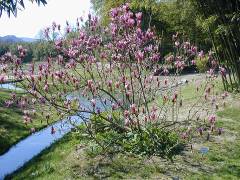
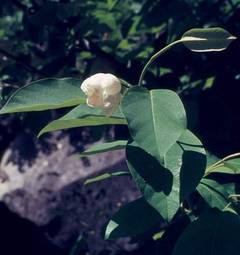
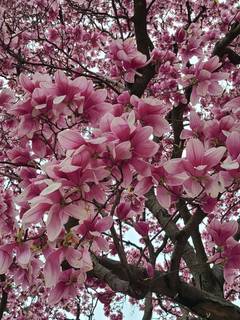
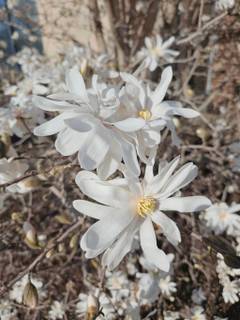
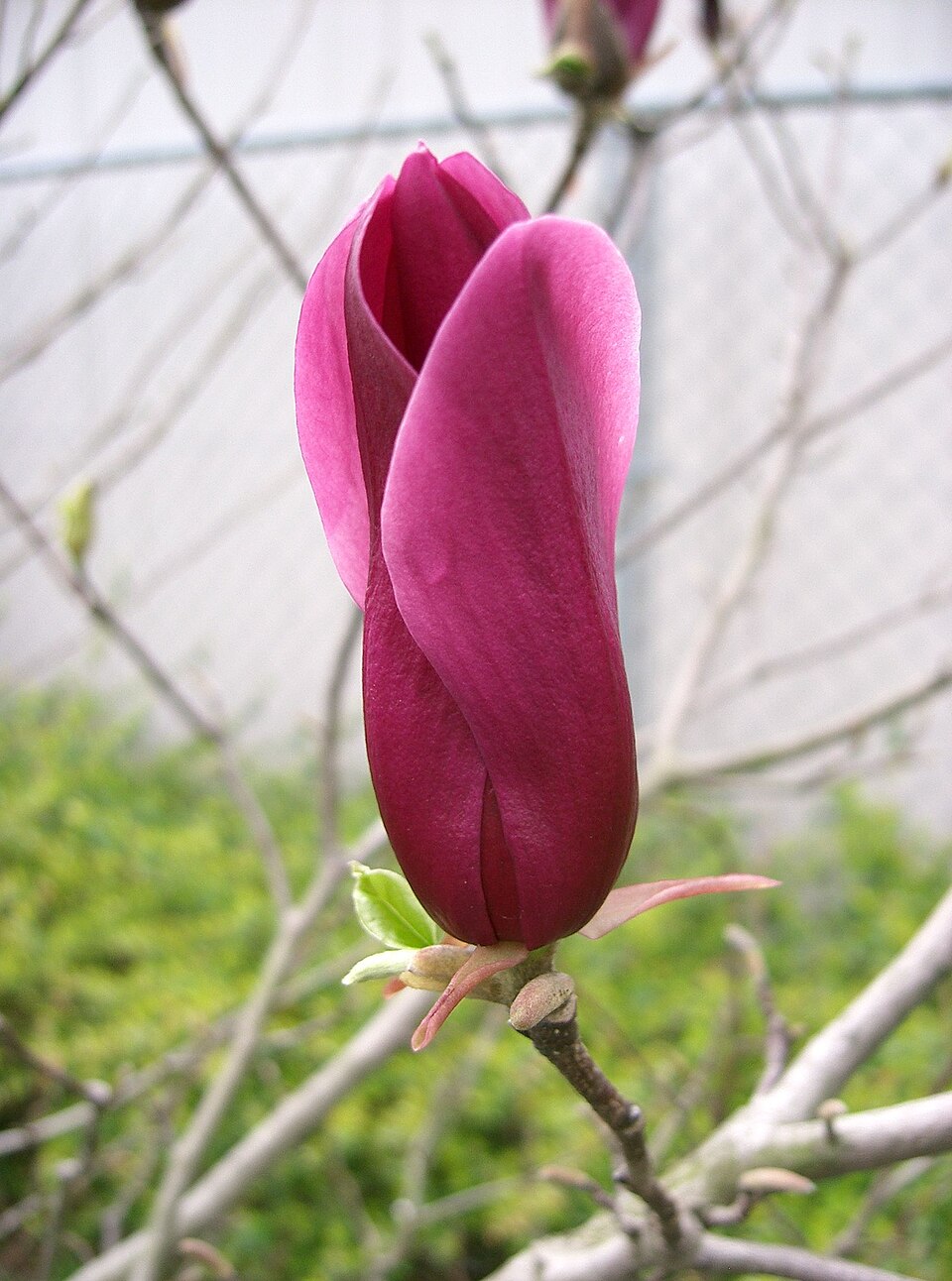
Magnolia 'Susan' is a deciduous flowering shrub or small tree reaching 8-10 feet (2.4-3 m) tall and 6-10 feet (1.8-3 m) wide at maturity, with a rounded to slightly upright form and multiple stems from the base. Leaves are obovate to elliptic, 3-6 inches (8-15 cm) long, dark green above with a paler underside, turning yellow-green in fall before dropping. Flowers are reddish-purple to purple-pink on the outside and paler pink to white on the inside, with 6 narrow upright tepals each 4-5 inches (10-13 cm) long, opening cup-shaped before reflexing. Bloom occurs in mid to late April through May after most leaf emergence, with flowers held upright on bare or partially leafed branches. A second, lighter flush of bloom may occur in summer. Growth rate is slow, adding 6-12 inches (15-30 cm) per year and reaching mature size in 10-15 years. Cone-like fruit aggregates 1-2 inches (2.5-5 cm) long ripen in fall but rarely produce viable seed because of hybrid origin. Late bloom timing reduces frost damage compared to earlier-flowering Magnolia species, but flowers are still vulnerable to hard freezes below 28°F (-2°C). The shrub form requires more horizontal space than columnar selections.
Native Range
Magnolia 'Susan' is a hybrid cultivar with no native range; it was developed in 1955-1956 at the U.S. National Arboretum in Washington, D.C. by Francis de Vos and William Kosar from a cross between M. liliiflora 'Nigra' and M. stellata 'Rosea'. The parent species are native to Japan and China.Suggested Uses
Planted as a specimen shrub, foundation accent, or small mixed border anchor at 8-10 foot (2.4-3 m) spacing in zones 4-8. Suits Asian-style and woodland edge gardens where late spring color is wanted. Container culture in pots of at least 25 gallons (95 L) with consistent moisture is possible, but mature size and wind exposure limit long-term container use.How to Identify
Appearance
Size & Dimensions
Height8' - 10'
Width/Spread6' - 10'
Bloom Information
Mid-April through May in zones 6-7, with flowering 1-2 weeks earlier in zones 8 and 1-2 weeks later in zones 4-5. Individual flowers last 5-10 days; total bloom period extends 2-4 weeks. A secondary lighter flush occurs in June-July in some seasons. Late bloom relative to M. stellata reduces but does not eliminate frost damage; temperatures below 28°F (-2°C) brown the flowers.
Detailed Descriptions
Flower Description
reddish-purple to purple-pink outside, paler pink to white insideFoliage Description
dark green; yellow-green in fallGrowing Conditions
Sun Requirements
Requires 4-8 hours of direct sunlight daily
• Full Sun: 6+ hours of direct sunlight
• Partial Shade: 3-6 hours of direct sunlight
• Full Shade: Less than 3 hours of direct sunlight
Care & Maintenance
Care Guide
Water requirements are 1 inch (2.5 cm) per week through the first two growing seasons, applied as deep soakings rather than frequent shallow watering. Established plants tolerate brief dry periods but flower bud set decreases after 3-4 weeks without rain. A 2-3 inch (5-7.5 cm) mulch layer over the root zone maintains soil moisture and moderates root temperature; mulch piled against stems promotes bark rot. Magnolia scale (Neolecanium cornuparvum) infestations occur on stressed plants in zones 5-7 and produce sticky honeydew on foliage and branches. Iron chlorosis appears as yellowing leaves with green veins on alkaline soils above pH 7.0. Plants are slow to recover from transplant; bloom production decreases for 1-2 years after planting.Pruning
Minimal pruning is required because of the slow growth rate and naturally rounded form. Dead, damaged, or crossing branches are removed in late spring after flowering finishes; fall or winter pruning can stimulate growth that is killed by subsequent spring frosts. Suckers emerging from below the graft union on grafted specimens belong to the rootstock cultivar and grow at the expense of the scion. Heavy pruning eliminates flower buds for the next season because Magnolia forms buds on the previous year's wood.Pruning Schedule
Prune: May–June
late spring