Magnolia, Genus, cylindrica, Species,
- Genus & species
cylindrical magnolia
E China (Anhui, Fujian, Zhejiang; montane forests; 2000-5000 ft / 600-1500 m; rare/endangered in habitat)
Overview
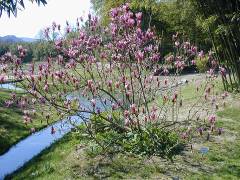
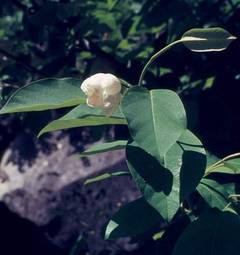
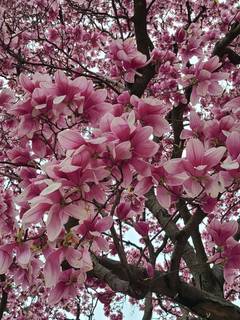
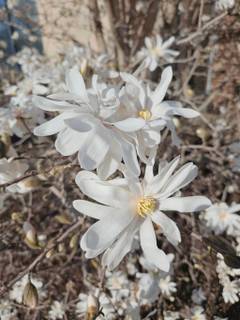
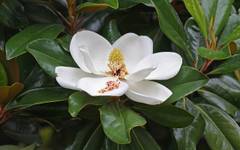
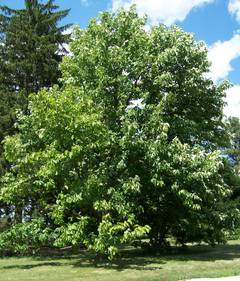
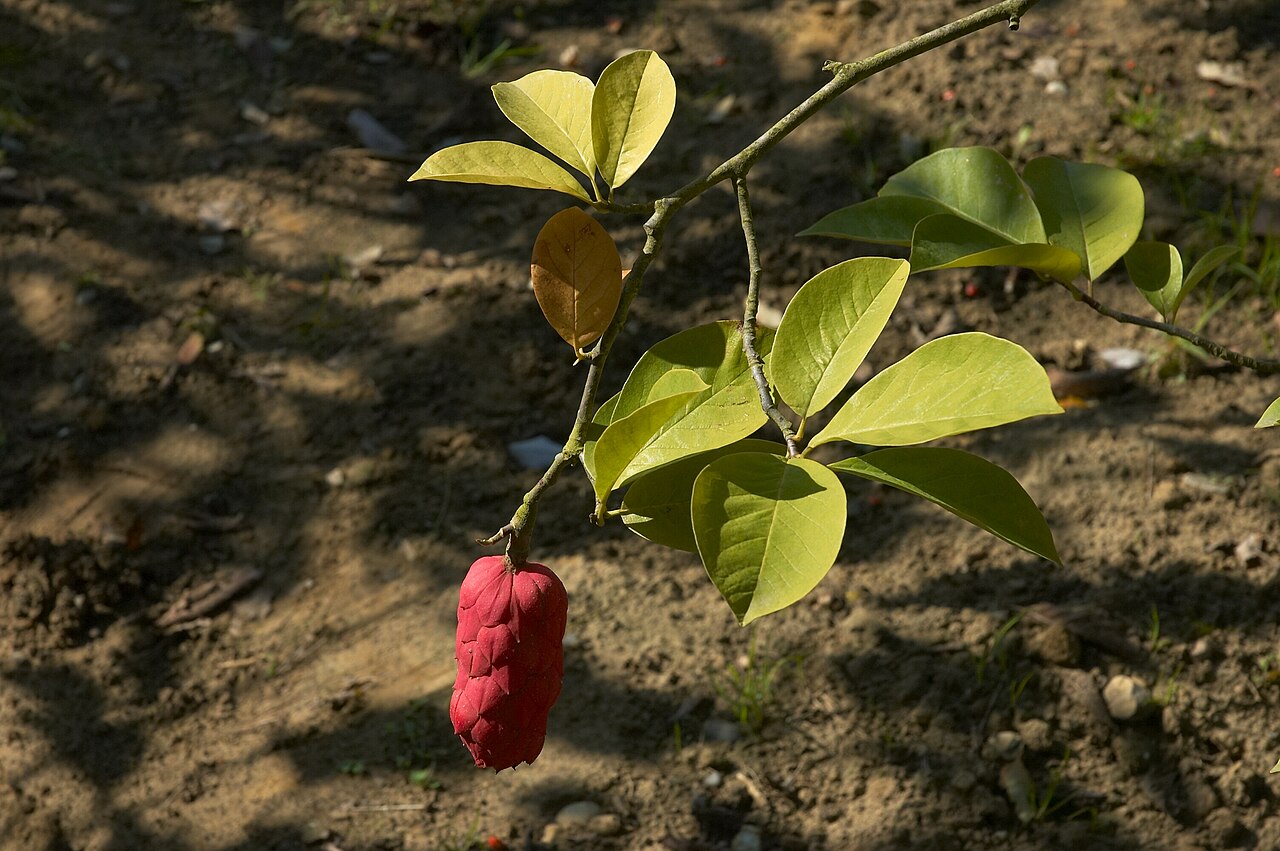
Magnolia cylindrica is a small to medium, deciduous tree reaching 20–30 feet (6–9 m) tall with a spread of 15–25 feet (4.5–7.5 m) and a broadly pyramidal to oval crown. Native to eastern China, this species produces white, tulip-shaped flowers 3–4 inches (8–10 cm) long with 9 tepals that remain upright and partially closed, giving a cylindrical silhouette—hence the common name. The tepals are white with a faint pink to rose flush at the base. Flowers appear on bare branches in March–April, 1–2 weeks after M. denudata. The alternate, obovate leaves are 4–6 inches (10–15 cm) long, medium green. The cylindrical aggregate fruit 2–3 inches (5–8 cm) long ripens red in autumn. The bark is smooth and gray. Growth rate is slow to moderate. Hardy to zone 5. Flowers later than many deciduous magnolias, reducing frost damage risk.
Native Range
Magnolia cylindrica is native to eastern China—Anhui, Fujian, and Zhejiang provinces—in montane forests at 2,000–5,000 feet (600–1,500 m) elevation. It is considered rare and endangered in its native habitat.Suggested Uses
Planted as a specimen in residential gardens and mixed borders at 15–20 foot (4.5–6 m) spacing. The compact 20–30 foot size suits gardens where M. denudata (30–40 feet) is too large. The later bloom timing reduces frost damage. Rare in cultivation—availability may be limited. Not suitable for alkaline soils, drought-prone sites, or positions exposed to drying winds.How to Identify
Appearance
Size & Dimensions
Height20' - 30'
Width/Spread15' - 25'
Bloom Information
White, tulip-shaped flowers 3–4 inches (8–10 cm) long with 9 tepals that remain partially closed in a cylindrical form, with a faint pink to rose flush at the base. Bloom in March–April on bare branches, 1–2 weeks after M. denudata. Bloom duration is 2–3 weeks. Cylindrical aggregate fruit 2–3 inches (5–8 cm) ripens red in autumn.
Detailed Descriptions
Flower Description
White with faint pink-rose basal flush; tulip-shaped 3-4 inches; 9 tepals remaining partially closed in cylindrical formFoliage Description
Medium green; alternate obovate 4-6 inchesGrowing Conditions
Sun Requirements
Requires 4-8 hours of direct sunlight daily
• Full Sun: 6+ hours of direct sunlight
• Partial Shade: 3-6 hours of direct sunlight
• Full Shade: Less than 3 hours of direct sunlight
Care & Maintenance
Care Guide
Plant in full sun to partial shade in moist, rich, well-drained, acidic to neutral soil (pH 5.0–6.5). Hardy to zone 5. The later bloom reduces frost damage risk compared to earlier-blooming magnolias. Mulch the root zone to maintain soil moisture. Transplant balled-and-burlapped or container-grown in spring. No significant pest or disease problems. Rare in cultivation—availability may be limited.Pruning
Prune in late spring after flowering if needed. The naturally pyramidal form requires minimal pruning. Remove dead, crossing, or damaged branches. Avoid heavy pruning—magnolias are slow to recover.Pruning Schedule
Prune: May–June
late spring