Magnolia, Genus, delavayi, Species,
- Genus & species
Delavay's magnolia
Southwestern China (Yunnan Province)
Overview
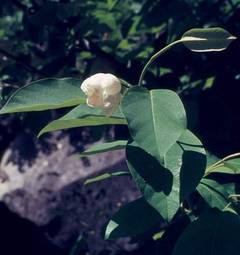
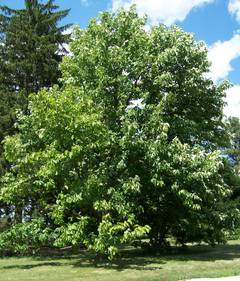
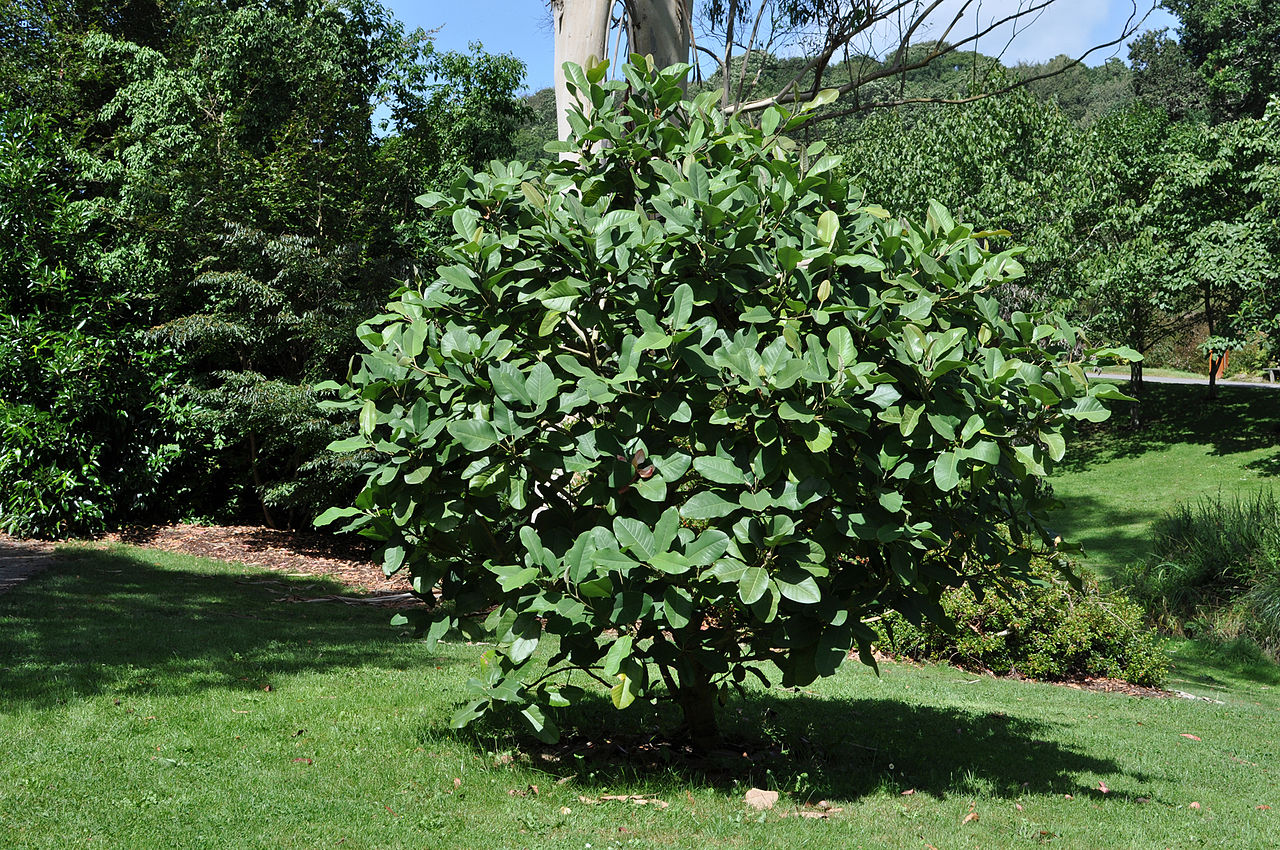
Magnolia delavayi is a large evergreen tree or tree-form shrub reaching 20–35 feet (6–10.5 m) tall and 15–25 feet (4.5–7.5 m) wide in cultivation, often broader in frost-free maritime climates. The species is one of only two widely grown evergreen magnolias, alongside M. grandiflora. Leaves are alternate, broadly ovate to elliptic, 6–14 inches (15–35 cm) long and 4–8 inches (10–20 cm) wide, matte gray-green to blue-green on the upper surface with a glaucous and slightly pubescent underside; the leaf is leathery but softer in texture than the glossy rigid leaf of M. grandiflora. Flowers are cup-shaped, creamy-white, 6–8 inches (15–20 cm) across with 9 thick fleshy tepals; they open in the evening between 6 and 9 PM, last 2–3 days before tepal drop, and release a heavy sweet fragrance detectable 15–30 feet (4.5–9 m) from the plant. Bloom occurs intermittently from June through September, with individual trees carrying 1–5 open flowers at any given time during the window. Bark is gray-brown, smooth when young, fissuring with age. Growth rate is moderate at 12–18 inches (30–45 cm) per year, reaching mature size in 20 years. Hardy to USDA zone 8; cold winter winds below 25°F (–4°C) cause marginal leaf browning and limit the species to maritime or wall-sheltered siting in zone 8. Not known to be toxic to pets or humans.
Native Range
Magnolia delavayi is native to southwestern China, primarily Yunnan Province, occurring in open forests, scrubby hillsides, and forest margins at 3,000–8,500 feet (900–2,600 m) elevation. The species was introduced to Western cultivation by E.H. Wilson in 1899 through collections for the Arnold Arboretum and Kew.Suggested Uses
Used as a freestanding specimen in mild coastal climates, wall-trained against south- or west-facing walls in zone 8, and in sheltered courtyards at 15–20 foot (4.5–6 m) spacing. The matte blue-green leaves 6–14 inches (15–35 cm) long and evening-opening summer flowers carry year-round foliage presence and a 14-week fragrance window, filling the summer gap in the magnolia flowering calendar. The species is restricted to zone 8 or warmer, does not tolerate exposed cold winter winds, and sheds large leaves year-round — problematic in paved areas or small gardens where leaf litter accumulates.How to Identify
Appearance
Size & Dimensions
Height20' - 35'
Width/Spread15' - 25'
Bloom Information
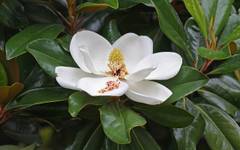
Cup-shaped creamy-white flowers 6–8 inches (15–20 cm) across with 9 thick fleshy tepals open in the evening between 6 and 9 PM from June through September. Individual flowers last 2–3 days and release a heavy sweet fragrance detectable 15–30 feet (4.5–9 m) on still evenings. The tree carries 1–5 open flowers at any given time during the 14-week bloom window; conspicuous fruit does not develop in most cultivated conditions.
Detailed Descriptions
Flower Description
Creamy-white cup-shaped flowers 6-8 inches across with 9 thick fleshy tepals; evening-opening; heavy sweet fragrance; short-lived 2-3 days per flowerFoliage Description
Matte gray-green to blue-green above, glaucous and slightly pubescent underside; broadly ovate to elliptic, 6-14 inches long by 4-8 inches wide; leatheryGrowing Conditions
Sun Requirements
Requires 4-8 hours of direct sunlight daily
• Full Sun: 6+ hours of direct sunlight
• Partial Shade: 3-6 hours of direct sunlight
• Full Shade: Less than 3 hours of direct sunlight
Care & Maintenance
Care Guide
Grow in full sun to partial shade with 4–8 hours of direct light in moist, rich, well-drained loam or silt at pH 5.0–7.0. A sheltered position is required in zone 8 — south- or west-facing walls, courtyards, or the lee of larger evergreens reduce cold-wind leaf browning. Water deeply once per week during the first three growing seasons, then maintain moisture through summer in hot climates; the shallow fleshy roots do not tolerate drought. Apply 2–3 inches (5–8 cm) of organic mulch in spring, kept away from the trunk. Large leaves shed throughout the year rather than in a single autumn drop, producing roughly 6–12 pounds (3–5 kg) of annual leaf litter per mature tree. Hardy to USDA zone 8; sustained cold below 10°F (–12°C) causes leaf drop and top dieback.Pruning
Prune in late spring to early summer after the first flower flush. Minimal pruning is needed beyond removal of dead, damaged, or wind-burned branches. The species responds to wall-training in zone 8 marginal-hardiness plantings, with main branches tied against the wall and laterals pruned back after flowering. The large leaves and coarse texture resist formal geometric shaping.Pruning Schedule
Prune: June–July
summer