Magnolia, Genus, 'Elizabeth', Cultivar,
- Genus
- Cultivar
elizabeth magnolia
Garden hybrid (M. acuminata × M. denudata; Eva Maria Sperber, Brooklyn Botanic Garden, NY, 1977)
Overview
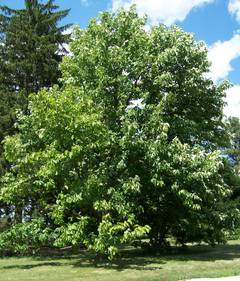
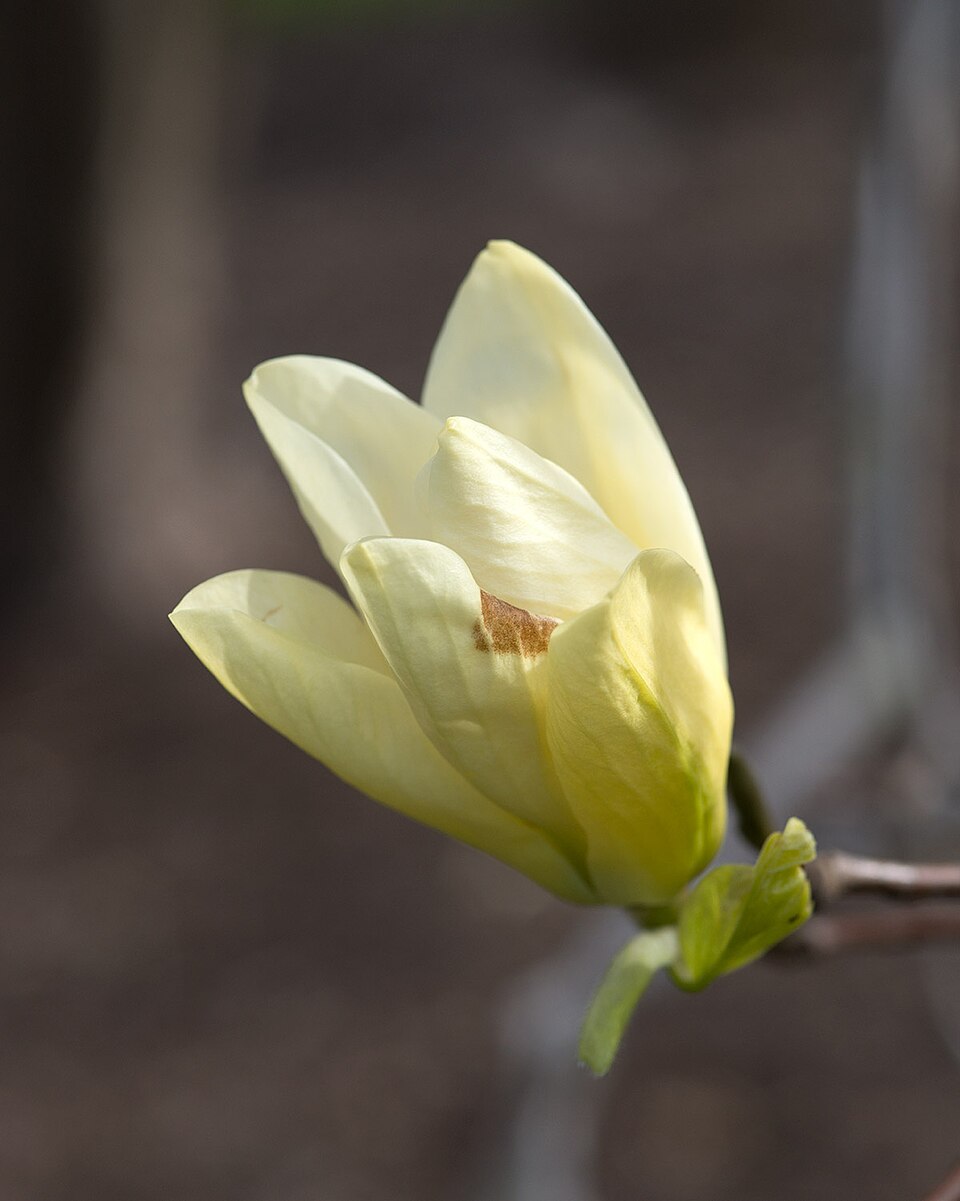
Magnolia 'Elizabeth' is a medium, deciduous tree reaching 25–35 feet (7.5–10.5 m) tall with a spread of 15–25 feet (4.5–7.5 m) and a broadly pyramidal crown. This hybrid of M. acuminata × M. denudata was developed at the Brooklyn Botanic Garden by Eva Maria Sperber and introduced in 1977—one of the first successful yellow-flowered magnolia cultivars. The goblet-shaped flowers are 4–6 inches (10–15 cm) across with 6–9 tepals, primrose-yellow to pale butter-yellow, appearing on bare or nearly bare branches in April–May. The color is purest in cool weather and fades to cream-yellow in warm temperatures. The alternate, obovate leaves are 4–8 inches (10–20 cm) long, medium green. Growth rate is moderate. Hardy to zone 5. The yellow flower color is inherited from the M. acuminata parent, while the large flower size and goblet form come from M. denudata. The relatively late bloom (for a deciduous magnolia) reduces frost damage.
Native Range
Magnolia 'Elizabeth' is a garden hybrid (M. acuminata × M. denudata) developed at the Brooklyn Botanic Garden, New York, by Eva Maria Sperber, introduced in 1977.Suggested Uses
Planted as a specimen in residential gardens at 20–25 foot (6–7.5 m) spacing. One of the first yellow-flowered magnolia cultivars and still widely available. The primrose-yellow flowers on bare branches are visually distinct from white and pink magnolias. The color fades to cream in warm weather—purest yellow in cool spring climates. Not suitable for alkaline soils, drought-prone sites, or positions where consistent deep yellow color is expected in warm climates.How to Identify
Appearance
Size & Dimensions
Height25' - 35'
Width/Spread15' - 25'
Bloom Information
Goblet-shaped flowers 4–6 inches (10–15 cm) across with 6–9 tepals, primrose-yellow to pale butter-yellow, on bare or nearly bare branches in April–May. Color is purest in cool weather, fading to cream-yellow in warmth. Light fragrance. Bloom duration is 2–3 weeks. Relatively late bloom reduces frost damage compared to earlier magnolias.
Detailed Descriptions
Flower Description
Primrose-yellow to pale butter-yellow; goblet-shaped 4-6 inches; 6-9 tepals; fades to cream in warm weatherFoliage Description
Medium green; alternate obovate 4-8 inchesGrowing Conditions
Sun Requirements
Requires 4-8 hours of direct sunlight daily
• Full Sun: 6+ hours of direct sunlight
• Partial Shade: 3-6 hours of direct sunlight
• Full Shade: Less than 3 hours of direct sunlight
Care & Maintenance
Care Guide
Plant in full sun to partial shade in moist, rich, well-drained, acidic to neutral soil (pH 5.0–6.5). Hardy to zone 5. The later bloom timing reduces frost damage. Yellow color is purest in cool spring weather—in warm climates the flowers may open cream rather than yellow. Mulch the root zone. Transplant balled-and-burlapped or container-grown in spring. No significant pest or disease problems.Pruning
Prune in late spring after flowering if needed. Develop a strong central leader while young—the naturally pyramidal form requires minimal training. Remove dead, crossing, or damaged branches. Avoid heavy pruning.Pruning Schedule
Prune: May–June
late spring