Magnolia, Genus, dawsoniana, Species,
- Genus & species
Dawson's magnolia
SW China (Sichuan; montane forests; 6500-8500 ft / 2000-2600 m; introduced by E.H. Wilson 1908)
Overview
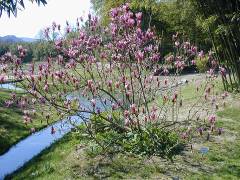
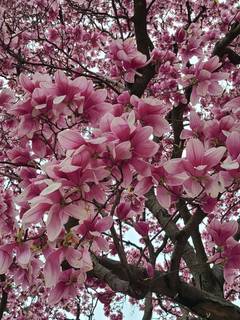
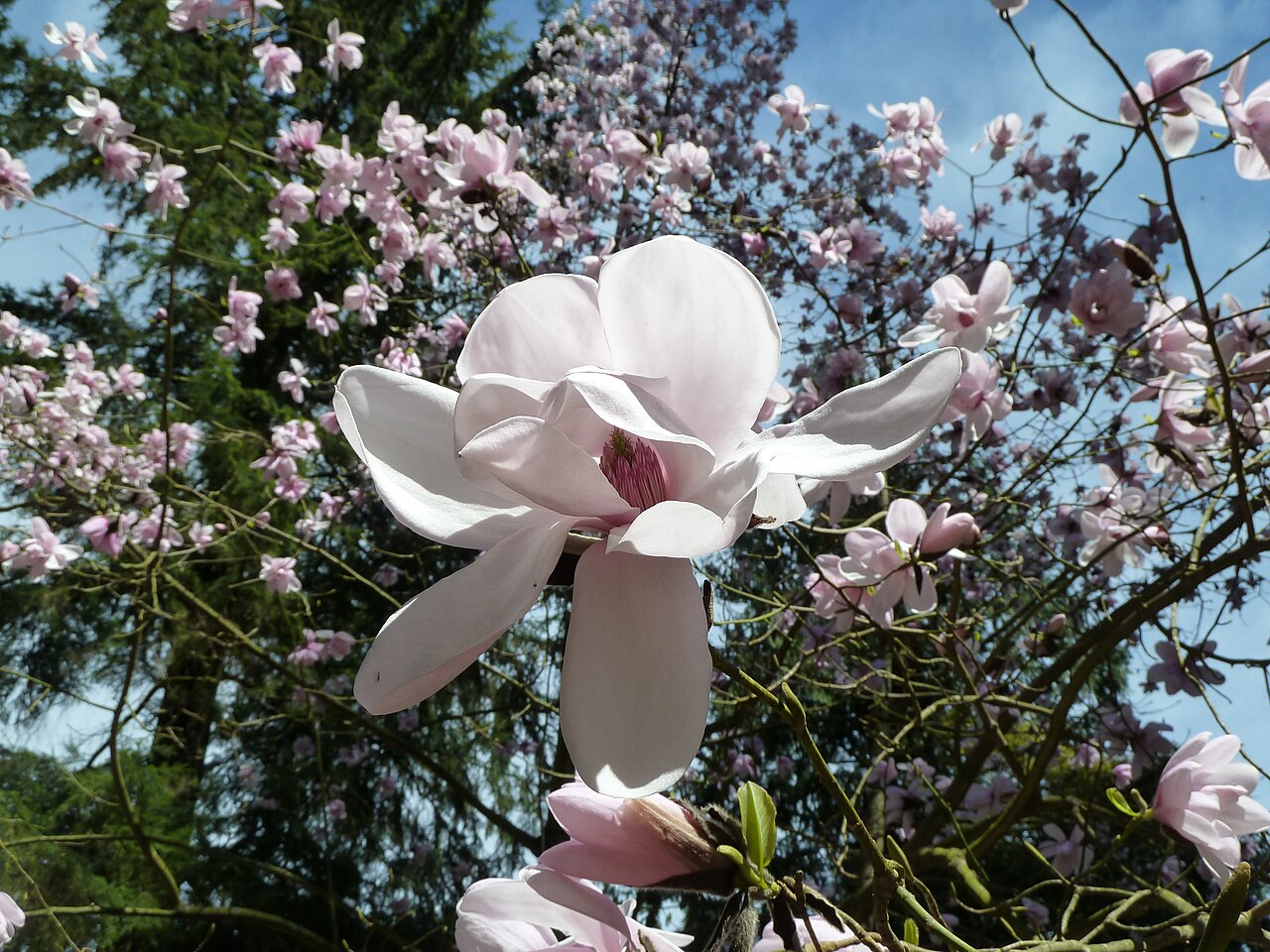
Magnolia dawsoniana is a medium to large, deciduous tree reaching 25–40 feet (7.5–12 m) tall in cultivation with a spread of 20–30 feet (6–9 m) and a broadly spreading, often multi-stemmed crown. Native to Sichuan, China, this species is one of the earliest-blooming large-flowered magnolias, flowering on bare branches in February–March. The flowers are 6–10 inches (15–25 cm) across with 9–12 tepals that are pale pink to rose-pink on the exterior and white to pale pink within; the tepals hang loosely and somewhat pendulously rather than forming an upright cup. The alternate, obovate leaves are 4–7 inches (10–18 cm) long, dark green, leathery, appearing after the flowers. The bark is smooth and gray-brown. Growth rate is moderate. Hardy to zone 7. Like M. campbellii, seed-grown trees require a long juvenile period of 15–25 years before flowering; grafted plants bloom at 8–12 years. The very early bloom is highly susceptible to late frost damage.
Native Range
Magnolia dawsoniana is native to southwestern China—Sichuan Province—in montane forests at 6,500–8,500 feet (2,000–2,600 m) elevation. It was introduced to Western cultivation by E.H. Wilson in 1908.Suggested Uses
Planted as a specimen tree in large gardens and parks at 25–30 foot (7.5–9 m) spacing. Requires a sheltered, frost-free position for the February–March bloom. The long juvenile period from seed (15–25 years) and the frost sensitivity of flowers limit its reliability in climates with variable late winters. Not suitable for small gardens, frost pockets, cold inland valleys, or exposed windswept positions. Restricted to mild, maritime climates in North America.How to Identify
Appearance
Size & Dimensions
Height25' - 40'
Width/Spread20' - 30'
Bloom Information
Flowers 6–10 inches (15–25 cm) across with 9–12 loosely pendant tepals, pale pink to rose-pink exterior and white to pale pink interior, on bare branches in February–March. One of the earliest large-flowered magnolias to bloom. Bloom duration is 2–3 weeks. Highly susceptible to late frost damage. Seed-grown trees take 15–25 years to first flower; grafted plants bloom at 8–12 years.
Detailed Descriptions
Flower Description
Pale pink to rose-pink exterior, white to pale pink interior; 6-10 inches; 9-12 loosely pendant tepals; Feb-Mar on bare branchesFoliage Description
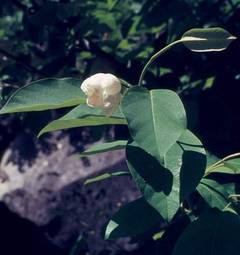
Dark green, leathery; alternate obovate 4-7 inches; appearing after flowersGrowing Conditions
Sun Requirements
Requires 4-8 hours of direct sunlight daily
• Full Sun: 6+ hours of direct sunlight
• Partial Shade: 3-6 hours of direct sunlight
• Full Shade: Less than 3 hours of direct sunlight
Care & Maintenance
Care Guide
Plant in full sun to partial shade in moist, rich, well-drained, acidic soil (pH 5.0–6.5). Hardy to zone 7. Requires a sheltered position protected from late frosts and cold winds—the very early bloom is extremely frost-sensitive. Mulch the root zone deeply. Transplant balled-and-burlapped in spring. No significant pest or disease problems. The long juvenile period from seed (15–25 years) requires patience.Pruning
Prune in late spring after flowering if needed. Established trees need minimal pruning. Remove dead, crossing, or damaged branches. Can be trained as a single-trunk or multi-stemmed specimen. Avoid heavy pruning.Pruning Schedule
Prune: May–June
late spring