Sedum, Genus, ewersii, Species,
- Genus & species
pink stonecrop
Central Asia (Himalayas, Altai Mountains, Mongolia)
Overview
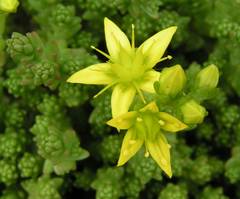
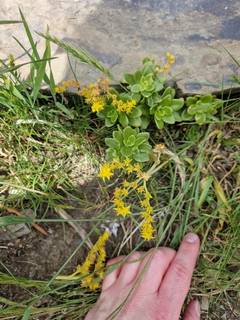
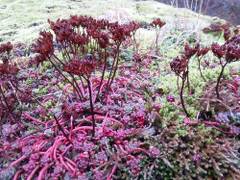
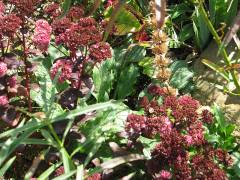
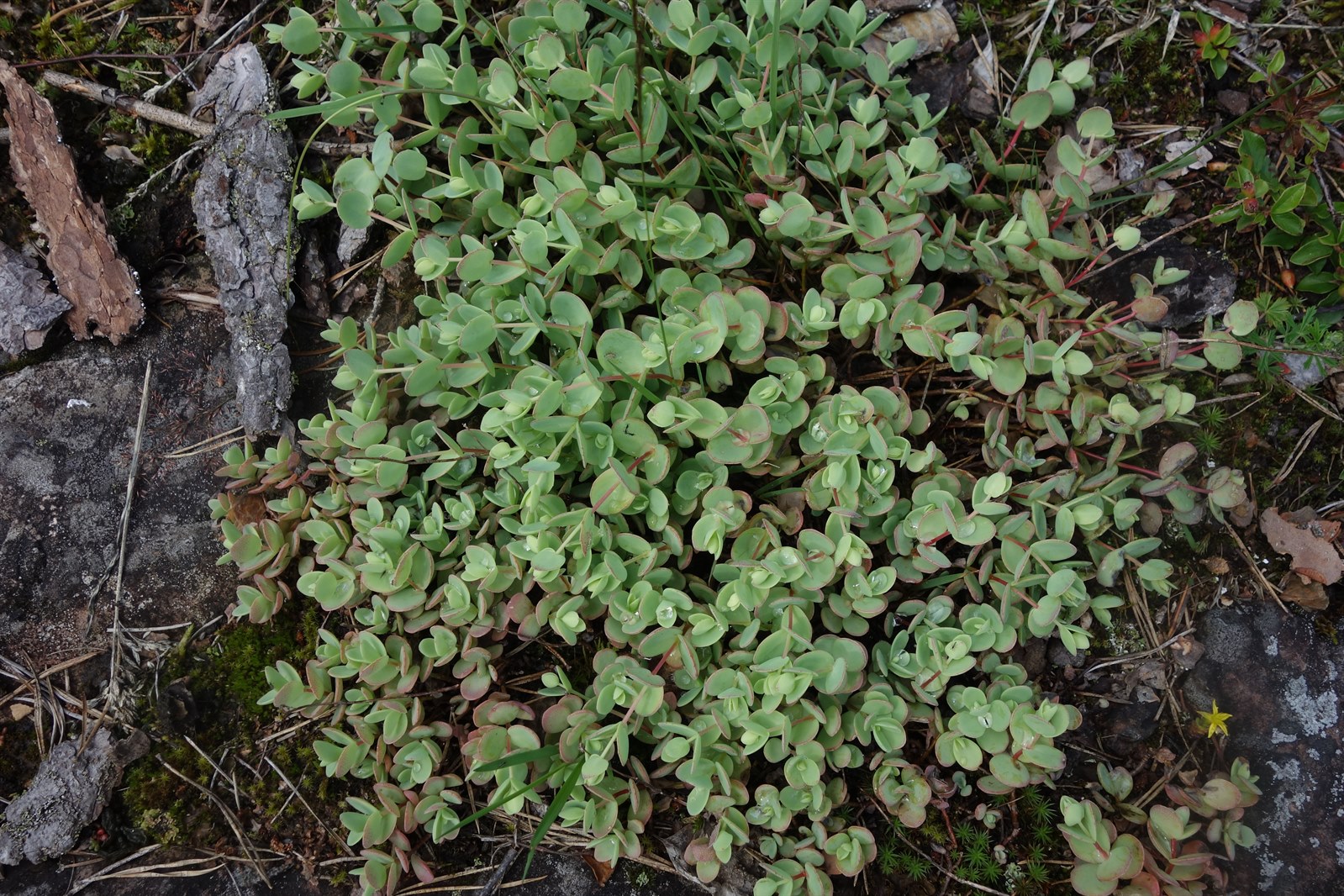
Sedum ewersii (reclassified by some authorities as Hylotelephium ewersii) is a herbaceous perennial succulent reaching 4–6 inches (10–15 cm) tall with a spread of 12–18 inches (30–45 cm). Habit is low and trailing, with arching to pendulous stems that spill over edges. Leaves are opposite, rounded to heart-shaped, fleshy, blue-green to grey-green, 0.75–1 inch (2–2.5 cm) long, carried on pinkish stems that contribute to the overall cool-toned appearance. Dense flat-topped flower clusters 2–3 inches (5–8 cm) across of small star-shaped soft pink flowers appear in August–September. Growth rate is moderate and plants reach full spread in 1–2 years. Hardy to zone 3. Foliage dies back completely in winter, and new shoots are late to emerge in spring — plants can appear absent until well into May in cold climates. Sharp drainage is required; wet winter soils cause crown rot. The plant is of alpine origin, adapted to rocky slopes and scree at 6,000–14,000 feet (1,800–4,300 m) in its native range, and performs poorly in rich, moist, or shaded sites.
Native Range
Sedum ewersii is native to Central Asia, including the Himalayas, the Altai Mountains, and Mongolia. It occurs on rocky slopes, scree, and cliff faces at 6,000–14,000 feet (1,800–4,300 m).Suggested Uses
Used in rock gardens, over walls, in trough gardens, and as edging at 12–15 inch (30–38 cm) spacing. Grows in containers of at least 1 gallon (4 L) with gritty mix and sharp drainage. Not used where year-round foliage presence is required, since plants die back completely in winter.How to Identify
Appearance
Size & Dimensions
Height4" - 6"
Width/Spread1' - 1'6"
Bloom Information
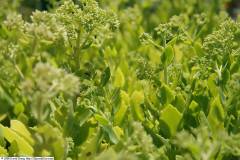
Dense flat-topped flower clusters 2–3 inches (5–8 cm) across of small star-shaped soft pink flowers open in August–September. Bloom duration is 4–6 weeks. Flowers are visited by bees and butterflies for late-season nectar. Seed heads are small and can be left standing for winter structure.
Detailed Descriptions
Foliage Description
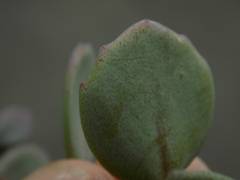
Blue-green to grey-green, fleshy, rounded to heart-shaped, 0.75-1 inch (2-2.5 cm), opposite on pinkish stemsGrowing Conditions
Sun Requirements
Requires 6-10 hours of direct sunlight daily
• Full Sun: 6+ hours of direct sunlight
• Partial Shade: 3-6 hours of direct sunlight
• Full Shade: Less than 3 hours of direct sunlight
Care & Maintenance
Care Guide
Plant in full sun in lean to average, sharply drained soil (pH 6.0–7.5). Sharp drainage is essential; wet winter soils cause crown rot in most climates. Hardy to zone 3, which extends its range into climates that limit many sedums. Drought-tolerant once established. Foliage dies back completely in winter and emerges late in spring; a location marker helps avoid disturbing dormant crowns during spring cleanup. Plants decline in rich, moist, or shaded sites. No serious pest or disease problems.Pruning
Dead stems are removed in late winter or early spring as new growth emerges. No other pruning is required; the trailing habit develops without intervention.Pruning Schedule
Prune: February–March
early spring
Container Growing
Suitable for container growing
Minimum container size: 1 gallons