Image 1 of 15
1 / 15
Plant Reference
Sedum, Genus, spectabile, Species,
- Genus & species
sedum
Northeastern China (Liaoning and Jilin provinces) and Korea; rocky slopes and hillsides.
Overview
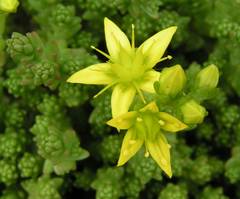
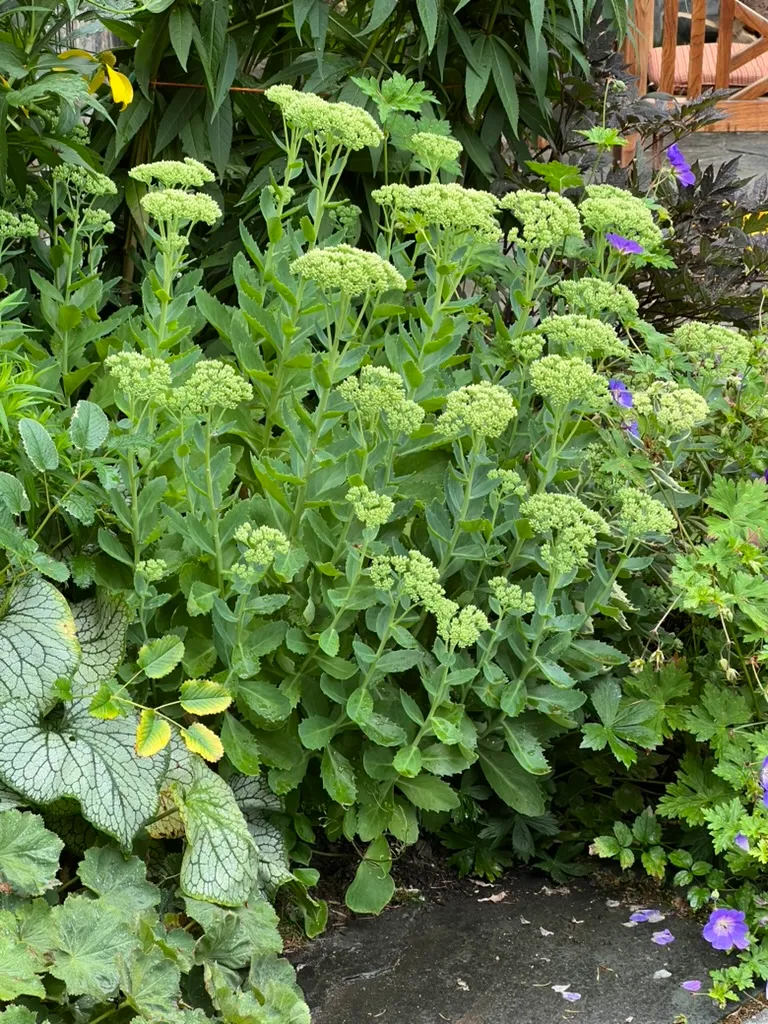
Sedum spectabile (synonym Hylotelephium spectabile) is a deciduous succulent perennial reaching 18-24 inches (45-60 cm) tall and wide. Leaves are broadly ovate, fleshy, 2-3 inches (5-7 cm) long, glaucous blue-green to gray-green, with scalloped margins, carried on thick erect succulent stems. Flat-topped cymes 4-6 inches (10-15 cm) across bear dense masses of tiny five-petaled pink to rose-pink star-shaped flowers from August through September, with a total bloom span of 5-6 weeks; butterflies and bees work the flowers through the bloom period. Spent cymes dry to russet-brown and hold their form on the stem through fall and winter. Hardy in USDA zones 3-9 (-40°F / -40°C). Stems flop outward in rich or moist soils, particularly after rain; lean dry soil produces sturdier stems, and cutting all stems back by one-half in late May (the Chelsea chop) reduces stem length and reduces flopping. Reclassified as Hylotelephium spectabile based on molecular phylogenetics; both names remain in use. Common garden cultivars include 'Brilliant' (deep rose-pink), 'Autumn Joy' (syn. 'Herbstfreude', a hybrid with S. telephium), and 'Neon' (saturated pink). Stems that contact soil root readily.
Native Range
Sedum spectabile is native to northeastern China (Liaoning and Jilin provinces) and Korea, where it grows on rocky slopes and hillsides in well-drained mineral soils. Plants have naturalized from garden escapes in scattered sites across temperate Europe and North America.Suggested Uses
Planted in perennial borders, rock gardens, gravel gardens, and containers of 3 gallons (11 L) or more at 18-24 inch (45-60 cm) spacing in USDA zones 3-9. The late-summer pink cymes extend bloom interest into the shoulder season when most perennials are finishing, and the dried cymes carry structure into winter. Cultivars in the trade include 'Brilliant' (deep rose-pink), 'Autumn Joy' (a hybrid with S. telephium), and 'Neon' (saturated pink). Not grown in consistently wet soils, where stems rot and plants are short-lived.How to Identify
Appearance
Size & Dimensions
Height1'6" - 2'
Width/Spread1'6" - 2'
Bloom Information
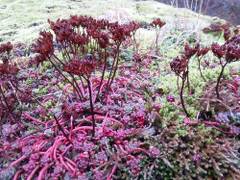
Flat-topped cymes 4-6 inches (10-15 cm) across open from August through September, with individual cymes remaining in pink color for 5-6 weeks. Butterflies, bees, and syrphid flies work the flowers during bloom. By October, cymes dry to russet-brown and hold their form on the stem through fall and winter; goldfinches and other small seed-eating birds work the seed heads through the cold months.
Detailed Descriptions
Flower Description
Pink to rose-pink; flat-topped cymes 4-6 inches (10-15 cm) of masses of tiny five-petaled star-shaped flowers; drying to russet-brown seed heads that hold form through winterFoliage Description
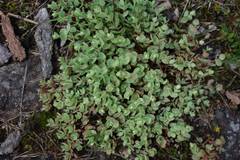
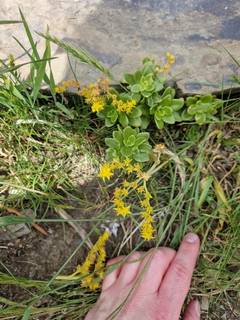
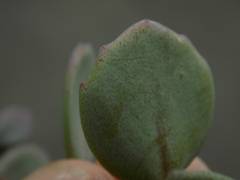
Glaucous blue-green to gray-green; broadly ovate, fleshy, 2-3 inches (5-7 cm), with scalloped margins; held on thick erect succulent stemsGrowing Conditions
Sun Requirements
Requires 6-10 hours of direct sunlight daily
• Full Sun: 6+ hours of direct sunlight
• Partial Shade: 3-6 hours of direct sunlight
• Full Shade: Less than 3 hours of direct sunlight
Care & Maintenance
Care Guide
Plants grow in full sun in lean, sharply drained soil with a pH of 5.5-7.5, including sand, rocky ground, and chalk. Hardy in USDA zones 3-9 (-40°F / -40°C). In rich or consistently moist soils, stems become soft and flop outward, particularly after summer rain; lean dry ground produces self-supporting stems. Cutting all stems back by one-half in late May, the Chelsea chop, reduces final stem length by 4-6 inches (10-15 cm) and produces a more compact, self-supporting clump at the cost of delaying bloom by 1-2 weeks. Drought tolerant once established; supplemental water is only needed during the first growing season. Divide every 3-4 years in early spring when the center of the clump thins.Pruning
Leave dried russet-brown cymes on the stems through fall and winter for structure and for bird seed. Cut all stems to 3-4 inches (7-10 cm) above ground in late winter before new growth begins. A late-May cutback of all stems by one-half (the Chelsea chop) produces a more compact, self-supporting clump in rich or moist soils. Divide every 3-4 years in early spring.Pruning Schedule
Prune: February–March
early spring
Container Growing
Suitable for container growing
Minimum container size: 3 gallons