Image 1 of 2
1 / 2
Plant Reference
Sedum, Genus, spathifolium, Species, 'Cape Blanco', Cultivar,
- Genus & species
- Cultivar
Cape blanco sedum
Pacific coast of North America (British Columbia south through Washington, Oregon, and California; coastal rocky bluffs and cliff faces). 'Cape Blanco' from Cape Blanco headlands, Oregon.
Overview
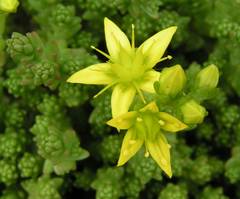
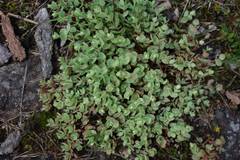
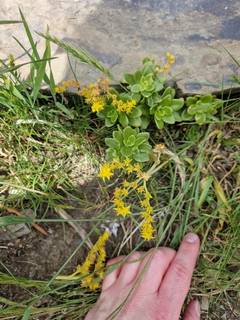
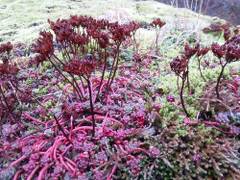
Sedum spathifolium 'Cape Blanco' is Cape Blanco sedum (Cape Blanco stonecrop), a low spreading succulent growing 2-6 inches (5-15 cm) tall (including flower stems) and 12-18 inches (30-45 cm) wide. Chalk-white to silver succulent rosettes 1-1.5 inches (2.5-4 cm) across, densely packed and covered in a white waxy glaucous bloom — the whitest foliage selection of S. spathifolium. Bright yellow star-shaped flowers in flat-topped clusters 3-4 inches (7-10 cm) above the silver mat in spring (May-June). In the stonecrop family (Crassulaceae). The species name 'spathifolium' means 'spoon-leaved.' Collected from the Cape Blanco headlands on the southern Oregon coast. Native to coastal rocky bluffs and cliff faces of the Pacific coast of North America (British Columbia to California). Crown rot in wet winter soil — sharp drainage on lean mineral soil required. Do not touch the rosettes: fingerprints remove the waxy glaucous bloom that creates the silver-white color (the bloom reforms over several weeks). No fertilizer — rich soil reduces the white waxy coating and produces greener growth. Non-toxic. Deer-resistant. Drought-tolerant. Full sun. Native. Zones 5-9. Growth rate is slow to moderate.
Native Range
Native to the Pacific coast of North America (British Columbia south through Washington, Oregon, and California), growing on coastal rocky bluffs and cliff faces. 'Cape Blanco' was collected from Cape Blanco headlands, southern Oregon.Suggested Uses
Planted in rock gardens, on walls, in green roofs, and in containers of at least 1 gallon (4 L) in zones 5-9. The chalk-white succulent rosettes and the bright yellow spring flowers. Sharp drainage. Do not touch the rosettes. Native (Pacific coast). Non-toxic. Deer-resistant.How to Identify
Appearance
Size & Dimensions
Height2" - 6"
Width/Spread1' - 1'6"
Bloom Information
Spring (May-June), lasting 4-5 weeks. Bright yellow star-shaped flowers in flat-topped clusters above the silver rosette mat. The chalk-white succulent rosettes are the year-round feature.
Detailed Descriptions
Flower Description
Bright yellow, small star-shaped, in flat-topped clusters 3-4 inches (7-10 cm) above the silver matFoliage Description
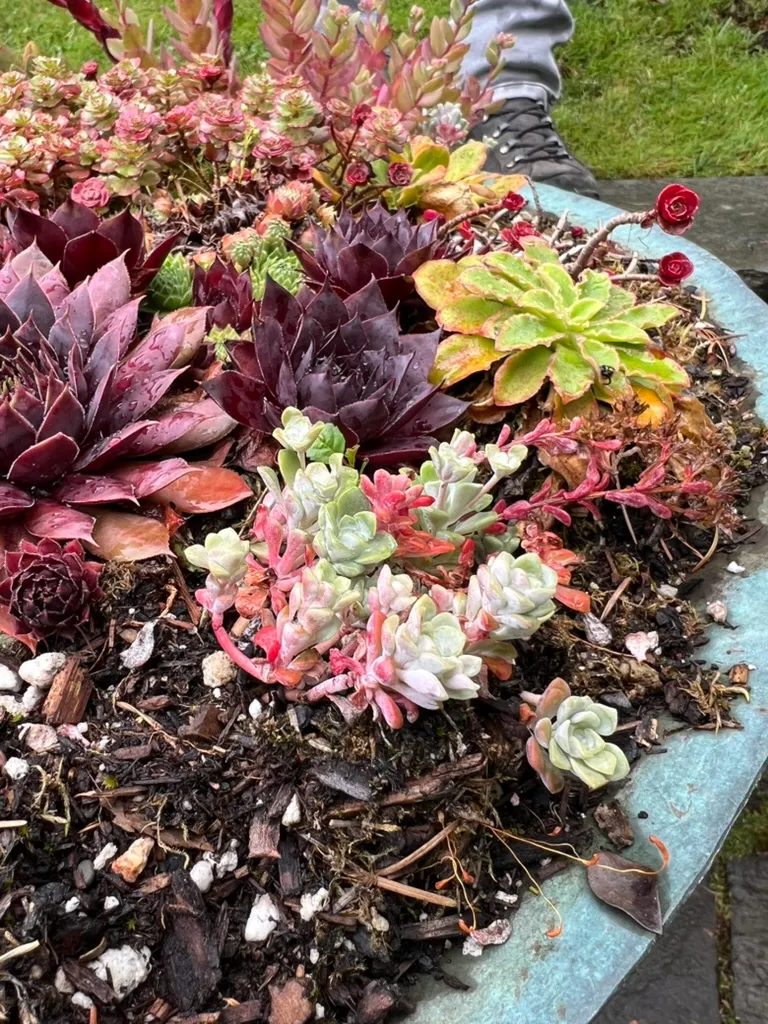
Chalk-white to silver; thick spoon-shaped fleshy rosettes 1-1.5 inches (2.5-4 cm) across, covered in dense white waxy glaucous bloom; the whitest selection of the speciesGrowing Conditions
Sun Requirements
Requires 6-10 hours of direct sunlight daily
• Full Sun: 6+ hours of direct sunlight
• Partial Shade: 3-6 hours of direct sunlight
• Full Shade: Less than 3 hours of direct sunlight
Care & Maintenance
Care Guide
Full sun. Sharp drainage on lean mineral soil. No fertilizer — rich soil reduces the white waxy coating. Crown rot in wet winter soil. Do not touch the rosettes (fingerprints remove the bloom). Non-toxic. Deer-resistant. Drought-tolerant. Native. Zones 5-9.Pruning
Remove spent flower stems at the base after bloom (June). Remove dead rosettes in early spring (March). No division or fertilizer. Lift and replant sections to control spread.Pruning Schedule
Prune: March & June
late springearly spring
Container Growing
Suitable for container growing
Minimum container size: 1 gallons